
Introduction
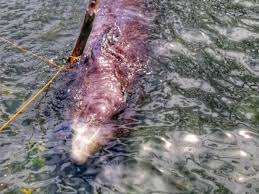
The ocean is facing an unprecedented threat, and it’s not from climate change or overfishing. The real culprit is microplastic pollution, which is choking marine life to death. In a shocking discovery, a young whale found dead in the Gulf of Davao, Philippines, had 40 kilograms of plastic in its stomach.
The Devastating Effects of Microplastics
Microplastics are tiny fragments of plastic that are smaller than 5 millimeters in size. They can come from various sources, including plastic bags, microbeads, and synthetic clothing. When ingested by marine animals, microplastics can cause blockages, nutrient deficiencies, and even death.
The Whale’s Fatal Plastical Load
On March 16th, a team of scientists from the D’Bone Collector Museum in Davao City discovered the whale’s carcass. During the necropsy, they found an alarming amount of plastic waste in its stomach. The animal had swallowed over 40 kilograms of plastic bags, packaging materials, and other debris.
How Microplastics Enter the Marine Ecosystem
Microplastics can enter the ocean through various pathways. They can come from:
- Washing clothes: Synthetic fibers from clothing can break off during washing and flow into the ocean.
- Erosion of tires: Pneumatic tires can erode during use, releasing microplastics into the environment.
- Urban runoff: Microplastics can also come from urban pollution, including wastewater treatment plants.
The Consequences of Microplastic Pollution
Microplastic pollution has severe consequences for marine life. It can cause:
- Blockages and nutrient deficiencies: When ingested, microplastics can block the digestive system or absorb nutrients, leading to malnutrition.
- Toxicity and bioaccumulation: Some microplastics contain toxic chemicals that can accumulate in the body of marine animals.
A Global Problem Requiring Immediate Action
The problem is not just limited to the ocean; microplastic pollution affects human health as well. A recent study found that 35% of microplastics in the ocean come from washing synthetic clothing.
The Path Forward: Reducing Microplastic Pollution
Reducing microplastic pollution requires a multi-faceted approach:
- Increase awareness: Educate consumers about the impact of microplastics on marine life and human health.
- Implement policies: Governments and industries must work together to reduce plastic waste and implement effective recycling systems.
- Promote sustainable practices: Encourage individuals to adopt sustainable habits, such as using reusable bags and water bottles.
Long-term Solutions
To address the root causes of microplastic pollution, we need to consider long-term solutions:
- Biodegradable alternatives: Develop biodegradable materials that can replace traditional plastics.
- Closed-loop systems: Implement closed-loop systems where waste is collected and recycled into new products.
- Extended producer responsibility: Encourage companies to take responsibility for the waste generated by their products.
Collaborative Efforts
Reducing microplastic pollution requires a collective effort from governments, industries, and individuals. Collaborative efforts can lead to significant progress:
- International agreements: Establish international agreements to regulate plastic waste and promote sustainable practices.
- Industry partnerships: Foster partnerships between companies and organizations to develop innovative solutions.
- Community engagement: Engage with local communities to raise awareness and promote behavioral change.
The Future of Marine Conservation
Reducing microplastic pollution is crucial for the future of marine conservation:
- Protected areas: Establish protected areas where marine life can thrive without human impact.
- Marine protected zones: Implement marine protected zones where fishing and other human activities are restricted.
- Eco-tourism: Promote eco-tourism to raise awareness and support conservation efforts.
Conclusion
Microplastic pollution is a pressing issue that requires immediate attention. By understanding the causes and consequences of this problem, we can work towards reducing microplastic waste and protecting marine life.
Frequently Asked Questions
- What are the main sources of microplastics in the ocean?
- Washing synthetic clothing
- Erosion of tires
- Urban runoff
- How do microplastics affect human health?
- Exposure to toxic chemicals
- Bioaccumulation of pollutants
- What can individuals do to reduce their plastic waste?
- Use reusable bags and water bottles
- Avoid using synthetic clothing that sheds microplastics during washing
- How can governments and industries work together to address microplastic pollution?
- Implement effective recycling systems
- Promote sustainable practices and policies
- What are the consequences of not addressing microplastic pollution?
- Loss of biodiversity
- Negative impacts on human health
By working together, we can reduce microplastic waste and protect marine life for future generations.


