
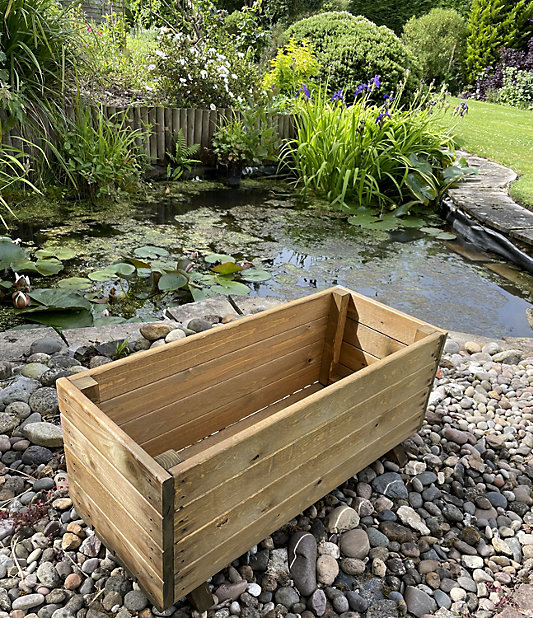
As the seasons change, our homes and gardens undergo a transformation. We seek to bring the beauty of nature indoors, while also creating outdoor spaces that reflect our personal style. One way to achieve this is by incorporating wooden planters into your garden design. In this article, we’ll explore the benefits of using wooden planters, their different types, and how to choose the right one for your needs.
The Advantages of Wooden Planters
Wooden planters have been a popular choice for gardeners for centuries. They offer several advantages over other materials, including:
- Durability: Wood is a natural, long-lasting material that can withstand harsh weather conditions and heavy use.
- Adaptability: Wooden planters can be easily modified to fit different shapes and sizes of plants.
- Malleability: Wood can be stained or painted to match your desired color scheme.
Handmade Wooden Planters: A Personal Touch
If you’re looking for a unique and personalized touch, consider creating your own handmade wooden planters. This can be a fun and rewarding project that allows you to express your creativity. With some basic tools and materials, you can create beautiful, one-of-a-kind planters that reflect your style.
To make a handmade wooden planter, start by selecting the type of wood you want to use. Some popular options include cedar, cypress, and reclaimed wood. You’ll also need a variety of tools, such as a drill press, sandpaper, and a paintbrush.
Once you have your materials, begin by cutting out the design for your planter. You can use a template or create your own design using a pencil and paper. Cut out the design and then use a jigsaw or bandsaw to shape the wood into the desired form.
Next, sand the wood to smooth out any rough edges and create a surface that’s ready for finishing. You can stain or paint the planter to match your desired color scheme. Apply a waterproof sealant to protect the wood from the elements and ensure the planter lasts for years to come.
Using Wooden Planters on Balconies
Wooden planters are perfect for balconies, as they add a touch of natural beauty to even the smallest outdoor spaces. When choosing a wooden planter for your balcony, consider the following factors:
- Size: Choose a planter that fits comfortably in your space, taking into account the size of the plants you’ll be using.
- Material: Opt for durable materials like cedar or cypress wood to ensure your planter withstands the elements.
When placing a wooden planter on your balcony, make sure it’s secure and won’t topple over in the wind. You can achieve this by attaching the planter to a wall or using weights to hold it in place.
Using Wooden Planters Outdoors
Wooden planters are also perfect for outdoor spaces. When placing a wooden planter in an outdoor setting, keep the following tips in mind:
- Drainage: Ensure proper drainage by creating holes in the bottom of the planter or using a well-draining mix.
- Protection: Protect your wooden planter from extreme weather conditions and pests by applying a waterproof sealant or insecticide.
To create holes for drainage, use a drill press to make small holes in the bottom of the planter. This will allow excess water to drain out and prevent root rot.
Economic Wooden Planters
Wooden planters don’t have to break the bank. Consider shopping online for affordable options, or visit local hardware stores like Leroy Merlin, Obi, and Brico for budget-friendly choices.
Some popular types of wooden planters include:
- Vertical planters: Perfect for adding a pop of color to your walls while also providing a functional storage space.
- Tiered planters: Ideal for showcasing multiple plants in a single planter.
- Hanging planters: Great for adding a touch of whimsy to your outdoor spaces.
Conclusion
Wooden planters are a natural, durable, and versatile choice for gardeners. With their many benefits and aesthetic appeal, it’s no wonder they’ve become a popular choice for both indoor and outdoor spaces. Whether you’re creating handmade planters or shopping online, there’s a wooden planter out there to suit your needs.
Frequently Asked Questions
- What is the best type of wood for planters?
- How do I protect my wooden planter from pests and weather damage?
- Can I use wooden planters indoors?
- How do I choose the right size for my balcony or outdoor space?
- Are wooden planters durable enough to withstand heavy use?
- What are some common issues with wooden planters, and how can they be solved?
By answering these questions, you’ll gain a deeper understanding of wooden planters and be better equipped to make informed decisions when choosing the right planter for your needs.
- What is the best type of wood for planters?
The best type of wood for planters depends on your personal preferences and budget. Some popular options include cedar, cypress, and reclaimed wood. - How do I protect my wooden planter from pests and weather damage?
To protect your wooden planter from pests and weather damage, apply a waterproof sealant or insecticide, and ensure proper drainage by creating holes in the bottom of the planter. - Can I use wooden planters indoors?
Yes, you can use wooden planters indoors, but be sure to choose durable materials like cedar or cypress wood that can withstand indoor conditions. - How do I choose the right size for my balcony or outdoor space?
When choosing a wooden planter for your balcony or outdoor space, consider the size of the plants you’ll be using and ensure the planter fits comfortably in your space. - Are wooden planters durable enough to withstand heavy use?
Yes, wooden planters are generally durable enough to withstand heavy use, but they may require periodic maintenance to maintain their condition.
By understanding these factors, you can make informed decisions when choosing a wooden planer that meets your needs and provides years of enjoyment.


