
As a popular ornamental plant, hibiscus has been widely cultivated for its beautiful flowers and medicinal properties. However, like any other living being, it is susceptible to various diseases and pests that can affect its growth and health. In this article, we will delve into the world of hibiscus, discussing its benefits, common diseases, and effective treatments.
Understanding Hibiscus
Hibiscus is a versatile plant that can be grown in containers or directly in the ground. When properly cared for, it can produce stunning flowers and thrive in various environments. To ensure healthy growth, it’s essential to provide hibiscus with well-draining soil, adequate sunlight, and sufficient water.
History of Hibiscus
Hibiscus has a rich history that dates back thousands of years. It is believed to have originated in the tropical regions of Asia and was later introduced to Africa and the Americas by traders and explorers. Today, hibiscus is grown in many parts of the world for its beauty, fragrance, and medicinal properties.
Types of Hibiscus
There are several types of hibiscus plants, each with its unique characteristics and uses. Some of the most common types of hibiscus include:
- Hibiscus rosa-sinensis: This is one of the most widely cultivated species of hibiscus and is known for its large, showy flowers.
- Hibiscus sabdariffa: This type of hibiscus is commonly used to make tea and is also used in traditional medicine.
- Hibiscus syriacus: This type of hibiscus is native to Asia and is known for its small, delicate flowers.
Benefits of Hibiscus
Hibiscus has a number of benefits that make it a popular choice for gardeners and herbalists. Some of the most significant benefits of hibiscus include:
- Cancer treatment: Hibiscus has been shown to have anti-cancer properties and is often used in traditional medicine to treat cancer.
- Heart health: Hibiscus has been shown to lower blood pressure and cholesterol levels, making it a popular choice for those looking to improve their heart health.
- Digestive health: Hibiscus has been shown to have anti-inflammatory properties and can help to alleviate symptoms of digestive disorders such as irritable bowel syndrome.
Common Diseases of Hibiscus
Hibiscus is prone to several diseases that can affect its growth and health. Some of the most common diseases of hibiscus include:
- Leaf spot: A fungal disease characterized by small, circular spots on the leaves.
- Root rot: A condition where the roots of the plant rot due to excess moisture.
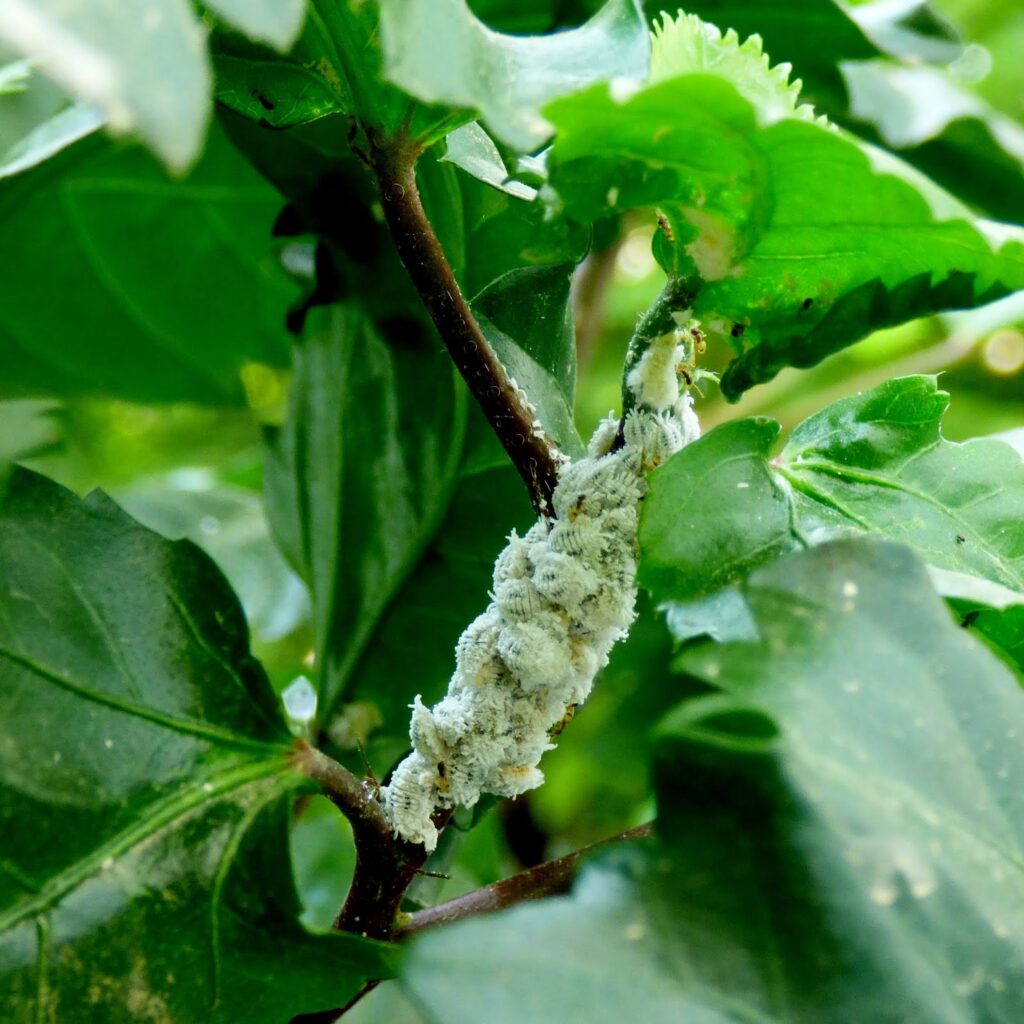
- Fungal leaf blight: A disease that causes white, cottony patches on the leaves.
Curing Hibiscus Diseases
To effectively treat hibiscus diseases, it’s crucial to identify the underlying cause and take prompt action. Here are some common treatments:
- Leaf spot: To prevent leaf spot, ensure good air circulation around the plant, and avoid overwatering.
- Root rot: To cure root rot, repot the plant in well-draining soil, and reduce watering to allow the roots to recover.
- Fungal leaf blight: To treat fungal leaf blight, remove infected leaves, and apply a fungicide specifically designed for hibiscus.
Common Pests of Hibiscus
Hibiscus is also susceptible to various pests that can damage its growth and flowers. Some common issues include:
- Aphids: Small, soft-bodied insects that feed on the plant’s sap.
- Whiteflies: Tiny, winged insects that feed on the plant’s sap.
Treating Hibiscus Pests
To effectively treat hibiscus pests, it’s essential to identify the underlying cause and take prompt action. Here are some common treatments:
- Aphids: To control aphid infestations, use neem oil or insecticidal soap specifically designed for hibiscus.
- Whiteflies: To treat whitefly infestations, use yellow sticky traps or insecticidal soap specifically designed for hibiscus.
Hibiscus Care Tips
To ensure healthy growth and prevent diseases, follow these care tips:
- Watering: Water your hibiscus regularly, but avoid overwatering.
- Fertilization: Fertilize your hibiscus with a balanced fertilizer specifically designed for tropical plants.
- Pruning: Prune your hibiscus regularly to maintain its shape and promote healthy growth.
Conclusion
Hibiscus is a beautiful and versatile plant that can add beauty and serenity to any garden or indoor space. By understanding its benefits, common diseases, and pests, you can effectively care for your hibiscus plant and enjoy its many rewards.
Frequently Asked Questions
- How often should I water my hibiscus?: Water your hibiscus regularly, but avoid overwatering.
- What type of fertilizer is best for hibiscus?: Use a balanced fertilizer specifically designed for tropical plants.
- How can I prevent leaf spot on my hibiscus?: Ensure good air circulation around the plant and avoid overwatering to prevent leaf spot.
- What are some common pests that infest hibiscus?: Aphids, whiteflies, and spider mites are some common pests that infest hibiscus.
- How can I treat fungal leaf blight on my hibiscus?: Remove infected leaves, and apply a fungicide specifically designed for hibiscus.
- What is the best way to prune my hibiscus?: Prune your hibiscus regularly to maintain its shape and promote healthy growth.
- How often should I fertilize my hibiscus?: Fertilize your hibiscus with a balanced fertilizer specifically designed for tropical plants, but avoid overfertilizing.
- Can I grow hibiscus in containers or directly in the ground?: Yes, you can grow hibiscus in both containers and directly in the ground, as long as it receives adequate sunlight and water.


