
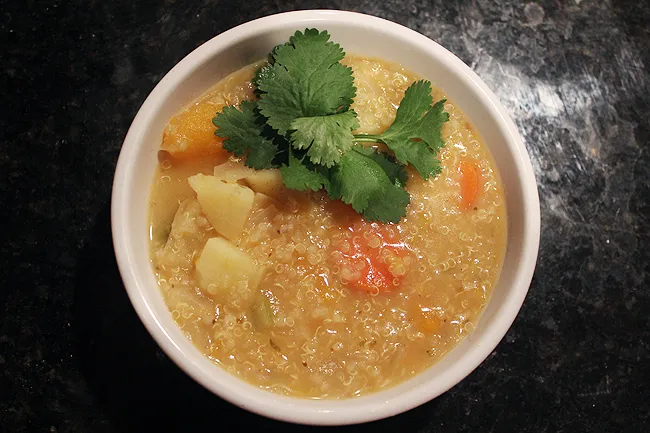
If you’re looking for a delicious and nutritious soup that’s perfect for those following a gluten-free diet, vegan lifestyle, or macrobiotic cuisine, look no further than quinoa soup. This hearty and flavorful dish has its roots in the Andean culture of South America, where quinoa has been a staple crop for over 5,000 years.
A Brief History of Quinoa
Quinoa is often referred to as a “mother grain” due to its ancient history and versatility. In fact, it’s considered one of the oldest domesticated crops in the Americas, with evidence suggesting that the Incas revered quinoa as a sacred plant. The best varieties of quinoa are grown in the salt flats of Bolivia, Peru, and Chile, where the unique soil conditions and climate provide an ideal environment for its cultivation.
Quinoa has been an integral part of Andean cuisine for thousands of years, with the Incas using it to make soups, salads, and even bread. The plant was considered so sacred that it was often buried with the dead, along with other precious items such as gold and silver.
In modern times, quinoa has become a popular ingredient in many parts of the world, thanks to its nutritional benefits and versatility. It’s a complete protein source, meaning it contains all nine essential amino acids that our bodies can’t produce on its own. Quinoa is also high in fiber, vitamins, and minerals, making it a nutritious addition to any meal.
Growing Quinoa at Home
While you may not be able to replicate the exact conditions found in the Andean highlands, you can still grow quinoa successfully in your own backyard. To start, choose a spot with full sun and well-draining soil. Make sure to provide your quinoa plants with enough space to spread out, as they have a tendency to become quite sprawling.
Quinoa is typically grown from seeds that are sown directly into the ground in the spring or fall. It’s a cool-season crop, meaning it prefers cooler temperatures and can be sensitive to high heat and humidity. In areas with mild winters, quinoa can be grown year-round, but in regions with harsh winters, it’s best to plant in the spring.
Quinoa plants are relatively low-maintenance, requiring only occasional watering and fertilization. However, they do require some care to prevent pests and diseases from taking hold. In areas with high rainfall, quinoa may require additional support to prevent the soil from becoming waterlogged.
The Quinoa Soup Recipe
This traditional recipe is a staple of Andean cuisine, and it’s surprisingly easy to make. Here’s what you’ll need:
- 120 grams of quinoa
- 1 onion
- 1 potato
- 3 ripe tomatoes
- 2 leaves of dandelion greens (or other leafy greens)
- Enough olive oil for sautéing
- Vegetable broth cube or homemade broth
- Salt and pepper to taste
To prepare the quinoa soup, follow these steps:
- Rinse the quinoa thoroughly and soak it in cold water for at least 30 minutes.
- Drain and rinse the quinoa again, then add it to a pot with enough water to cover it.
- Bring the mixture to a boil, then reduce the heat and simmer for 60-90 minutes, or until the quinoa is tender.
- While the quinoa is cooking, sauté the onion and garlic in olive oil until softened.
- Add the potatoes, tomatoes, and leafy greens to the pot, along with enough water to cover them.
- Simmer for an additional 20-30 minutes, or until the vegetables are tender.
- Season with salt and pepper to taste, then serve hot.
The Llajua Sauce
While the quinoa soup itself is delicious on its own, it’s often served with a tangy and spicy sauce called llajua. This condiment is made by blending together:
- 2 ripe tomatoes
- 1/4 cup of olive oil
- 2 cloves of garlic (minced)
- 1 teaspoon of salt
- 1/4 teaspoon of black pepper
- 1 tablespoon of chopped fresh parsley
- 1-2 teaspoons of hot sauce (optional)
Simply blend all the ingredients together until smooth, and adjust the seasoning to taste. Llajua is a versatile condiment that can be used in a variety of dishes, from soups to salads.
Tips for Serving Quinoa Soup
Quinoa soup is often served with a dollop of llajua sauce, as well as some crusty bread or crackers on the side. To enhance the flavor of your quinoa soup, try adding some additional ingredients such as:
- A sprinkle of chopped fresh herbs, such as parsley or cilantro
- A squeeze of fresh lime juice
- A sprinkle of grated cheese, such as cheddar or feta
Nutritional Benefits of Quinoa
Quinoa is a nutrient-rich food that provides a range of health benefits. Some of the key nutritional benefits of quinoa include:
- High protein content: Quinoa is a complete protein source, meaning it contains all nine essential amino acids that our bodies can’t produce on its own.
- High fiber content: Quinoa is high in fiber, which can help to lower cholesterol levels and promote digestive health.
- Rich in vitamins and minerals: Quinoa is a good source of various vitamins and minerals, including iron, magnesium, and potassium.
Frequently Asked Questions
Q: What are the benefits of eating quinoa?
A: Quinoa is a nutrient-rich food that provides a range of health benefits. Some of the key nutritional benefits of quinoa include its high protein content, high fiber content, and rich vitamin and mineral profile.
Q: Can I substitute other grains for quinoa?
A: While you can try substituting other grains like rice or barley, keep in mind that quinoa has a unique texture and flavor that’s difficult to replicate. If you do choose to substitute, be aware that the results may vary.
Q: How long does quinoa take to cook?
A: Quinoa typically takes 60-90 minutes to cook, depending on the type and cooking method. Be patient and plan accordingly!
Q: Can I grow my own quinoa at home?
A: Yes! While it can be challenging, you can try growing quinoa in your own backyard with the right conditions and care.
Q: Is quinoa gluten-free?
A: Quinoa is naturally gluten-free, making it an excellent option for those following a gluten-free diet. However, be aware that some packaged quinoa products may contain gluten due to cross-contamination during processing.
Conclusion
Quinoa soup is a delicious and nutritious meal that’s perfect for anyone looking to explore new flavors and ingredients. With its rich history and versatility, it’s no wonder that quinoa has become a staple crop in many parts of the world. Whether you’re following a gluten-free diet or simply looking to try something new, this recipe is sure to delight.
Additional Recipes Using Quinoa
If you’re interested in trying more recipes using quinoa, here are some additional ideas:
- Quinoa salad with roasted vegetables and citrus vinaigrette
- Quinoa bowls with grilled chicken, avocado, and salsa
- Quinoa risotto with mushrooms and parmesan cheese
These recipes showcase the versatility of quinoa as a cooking ingredient, and can be easily modified to suit your dietary needs and preferences.


