
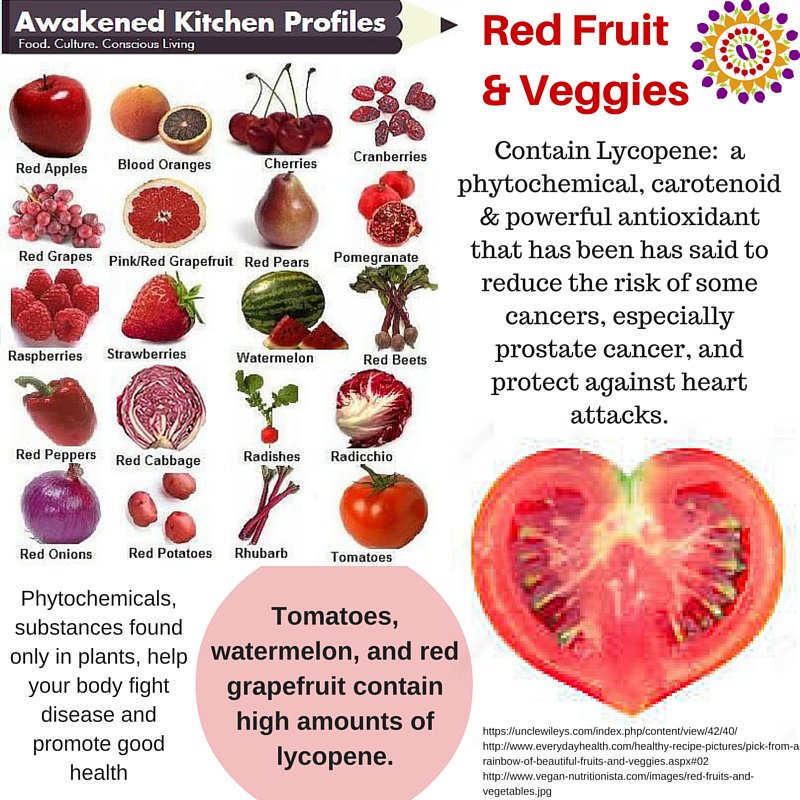
As we bid farewell to the blue color of the season, red fruits are always in vogue, and for good reason. These juicy gems pack an incredible array of nutrients and health benefits that make them a staple in any healthy diet. In this article, we’ll delve into the world of red fruits, exploring their unique characteristics, nutritional profiles, and creative ways to incorporate them into your daily meals.
The Properties of Red Fruits
As the weather warms up with spring, red fruits become an essential part of our diets, helping us detoxify our bodies from the excesses of winter. These vibrant treats are rich in vitamins, minerals, and antioxidants that provide numerous health benefits. Some of the key properties of red fruits include:
- Antioxidant-rich: Red fruits are packed with antioxidants that help combat free radicals, reducing inflammation and oxidative stress.
- Vitamin C powerhouse: Red fruits like strawberries, raspberries, and cranberries are rich in vitamin C, which boosts our immune system, fights off infections, and supports collagen production.
- Anti-inflammatory effects: The polyphenols present in red fruits have anti-inflammatory properties, helping to reduce the risk of chronic diseases such as heart disease, cancer, and neurodegenerative disorders.
A Closer Look at Red Fruits
Let’s take a closer look at some of the most popular red fruits and their unique characteristics:
- Strawberries: Sweet and tangy, strawberries are one of the most widely consumed red fruits. They’re rich in vitamin C, potassium, and fiber, making them an excellent choice for heart health and digestive issues.
- Raspberries: These tiny berries are packed with antioxidants, vitamins, and minerals that support immune function, reduce inflammation, and promote healthy bones.
- Cranberries: Often associated with urinary tract infections (UTIs), cranberries contain compounds that prevent bacteria from adhering to the bladder and urinary tract walls.
Creative Ways to Enjoy Red Fruits
Red fruits aren’t just for snacking; they can also be used in a variety of dishes, from savory meals to sweet desserts. Here are some creative ways to enjoy red fruits:
- Salads: Add fresh strawberries, raspberries, or cranberries to your favorite salads for a burst of flavor and nutrition.
- Smoothies: Blend red fruits with yogurt, milk, or ice cream to create a quick and refreshing smoothie.
- Baked goods: Use red fruits in place of traditional berries in muffins, cakes, and tarts.
Nutritional Benefits of Red Fruits
Red fruits are not only delicious but also packed with essential nutrients that support overall health. Here’s a breakdown of the nutritional benefits of some popular red fruits:
- Strawberries: Strawberries are an excellent source of vitamin C, potassium, and fiber. They’re also low in calories and high in antioxidants.
- Raspberries: Raspberries are rich in vitamin C, manganese, and fiber. They contain anthocyanins, which have anti-inflammatory properties and help protect against chronic diseases.
- Cranberries: Cranberries contain compounds that prevent bacteria from adhering to the bladder and urinary tract walls, reducing the risk of UTIs.
Health Benefits of Red Fruits
The health benefits of red fruits are numerous and well-documented. Here are some of the most significant advantages of incorporating these vibrant treats into your diet:
- Heart Health: The antioxidants and fiber present in red fruits help lower cholesterol levels, reduce blood pressure, and prevent cardiovascular disease.
- Cancer Prevention: The anthocyanins and polyphenols in red fruits have been shown to have anti-cancer properties, reducing the risk of certain types of cancer.
- Immune Function: Red fruits are rich in vitamin C, which supports immune function, reduces inflammation, and promotes overall well-being.
Conclusion
In conclusion, red fruits are an incredible source of nutrition and health benefits. By incorporating these vibrant treats into your diet, you can support immune function, reduce inflammation, and promote overall well-being. So go ahead, indulge in the sweet taste of summer with a mix of fresh strawberries, raspberries, and cranberries.
FAQs
- What are the best red fruits for my health?
- The best red fruits for your health depend on your specific needs and preferences. However, some of the most nutrient-dense options include strawberries, raspberries, and cranberries.
- Can I grow my own red fruits at home?
- Yes, you can grow your own red fruits at home using seeds or seedlings from a local nursery or online supplier. Some popular varieties include strawberry plants, raspberry bushes, and cranberry vines.
- How do I store fresh red fruits to keep them fresh for longer?
- To keep fresh red fruits fresh for longer, store them in the refrigerator at a temperature between 32°F and 50°F (0°C and 10°C). Remove any stems or leaves, and wash them gently before consuming.
- Can I use dried red fruits as a substitute for fresh ones?
- While dried red fruits can be a convenient alternative to fresh ones, they may not provide the same nutritional benefits. However, some dried red fruits like cranberries are rich in antioxidants and fiber.
- Are red fruits suitable for people with allergies or intolerances?
- Some people may experience allergic reactions or intolerance to certain red fruits, such as strawberries due to their high histamine content.
These FAQs provide more insight into the world of red fruits, from nutrition to cultivation to consumption.


