
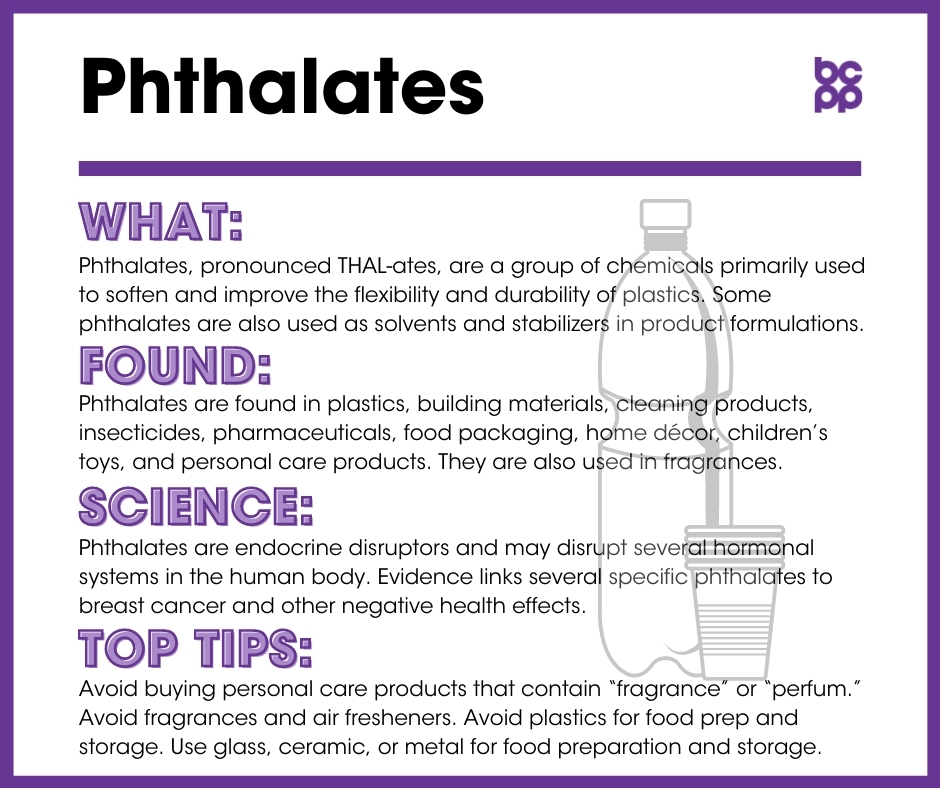
FTLs, or FTalati, are a group of chemicals that have been widely used in various industries, but their presence has raised concerns about their impact on human health and the environment. In this article, we will delve into the world of FTLs, exploring what they are, where they can be found, and why it’s essential to limit their use.
What are FTalati?
FTLs are a class of chemicals that are generally insoluble in water, but soluble in oils. They are colorless liquids with minimal odor and are often used as plasticizers in PVC production. However, these substances have been linked to various health problems and environmental concerns.
Some common FTLs include:
- Di(2-ethylhexyl) phthalate (DEHP)
- Diisononyl phthalate (DINP)
- Diisodecyl phthalate (DIDP)
- Benzylbutylphthalate (BBzP)
These substances are not only used in the production of PVC but also have been found in various products, including:
Where can FTalati be found?
FTLs can be found in a wide range of products, including:
Cosmetics and Personal Care Products
FTLs are commonly used in cosmetics and personal care products such as:
- Perfumes
- Insecticides
- Adhesives
- Nail polish
- Hair dye
These substances can also be present in skincare products, haircare products, and other personal care items.
Food Packaging
FTLs are often used in the production of food packaging materials, including plastic wraps, containers, and other types of packaging. This means that consumers may be exposed to these chemicals when they eat or drink from these products.
Medical Devices
FTLs, particularly DEHP, have been linked to reproductive issues and birth defects. As a result, there is growing concern about the use of FTLs in medical devices, such as:
- Pacemakers
- Implants
- Prosthetics
Other Products
FTLs can also be found in other products, including:
- Toys
- Children’s products
- Furniture
- Building materials
The Risks Associated with FTalati
While FTLs have been widely used for decades, recent studies have raised concerns about their potential health and environmental impacts. Some of the risks associated with FTLs include:
- Reproductive issues: Exposure to FTLs has been linked to reproductive problems, including reduced fertility and birth defects.
- Cancer risk: Some studies have suggested a link between FTL exposure and cancer risk.
- Hormone disruption: FTLs can mimic the effects of estrogen in the body, leading to hormone disruption and other health problems.
- Environmental impact: The production and disposal of FTL-containing products can harm the environment.
Limiting FTalati Use
Given the potential risks associated with FTLs, it’s essential to limit their use. Here are some steps you can take:
- Choose FTL-free products: Opt for products that are labeled as FTL-free or phthalate-free.
- Avoid heating food in plastic containers: Heating food in plastic containers can cause the release of FTLs.
- Use glass or BPA-free containers instead: Glass and BPA-free containers are safer alternatives to plastic containers.
- Support policy changes: Encourage your government to implement policies that restrict the use of FTLs.
Conclusion
FTLs are a group of chemicals that have been widely used in various industries, but their presence has raised concerns about their impact on human health and the environment. By understanding what FTLs are, where they can be found, and why it’s essential to limit their use, you can make informed choices about your products and protect yourself and others from potential harm.
Understanding the Impact of FTalati on Human Health
The effects of FTLs on human health are still being studied and debated. However, some common health problems associated with FTL exposure include:
- Reproductive issues: Exposure to FTLs has been linked to reproductive problems, including reduced fertility and birth defects.
- Cancer risk: Some studies have suggested a link between FTL exposure and cancer risk.
- Hormone disruption: FTLs can mimic the effects of estrogen in the body, leading to hormone disruption and other health problems.
- Neurological problems: Exposure to FTLs has been linked to neurological problems, including headaches, dizziness, and nausea.
Reducing Your Exposure to FTalati
To reduce your exposure to FTLs, follow these tips:
- Read labels carefully: Always read the ingredient label on products you use to ensure they do not contain FTLs.
- Choose natural alternatives: Opt for natural alternatives to products that may contain FTLs.
- Avoid heating food in plastic containers: Heating food in plastic containers can cause the release of FTLs.
- Use glass or BPA-free containers instead: Glass and BPA-free containers are safer alternatives to plastic containers.
The Environmental Impact of FTalati
FTLs have also been linked to environmental concerns, including:
- Water pollution: The production and disposal of FTL-containing products can contaminate waterways.
- Soil pollution: The release of FTLs during the manufacturing process can pollute soil.
- Air pollution: The burning of plastic containing FTLs can release toxic chemicals into the air.
Conclusion
FTLs are a group of chemicals that have been widely used in various industries, but their presence has raised concerns about their impact on human health and the environment. By understanding what FTLs are, where they can be found, and why it’s essential to limit their use, you can make informed choices about your products and protect yourself and others from potential harm.
FAQs
- What is an FTalato?
An FTalato is a type of chemical that is commonly used in the production of PVC. - Where can I find FTalati?
FTalati can be found in various products, including cosmetics, food packaging, medical devices, and other consumer goods. - Are FTalati safe for use?
No, FTLs have been linked to various health problems and environmental concerns, making them a substance of concern. - How do I limit my exposure to FTLs?
You can reduce your exposure by choosing FTL-free products, avoiding heating food in plastic containers, using glass or BPA-free containers instead, and supporting policy changes that restrict the use of FTLs. - Can FTalati cause cancer?
Some studies have suggested a link between FTL exposure and cancer risk, but more research is needed to confirm this association. - Are FTalati harmful to the environment?
Yes, the production and disposal of FTL-containing products can harm the environment. - How can I support policy changes that restrict the use of FTLs?
You can contact your government representatives, sign petitions, or participate in campaigns that promote policy change. - Can FTalati affect fetal development?
Yes, exposure to FTLs has been linked to reproductive problems, including reduced fertility and birth defects.
The Future of FTL Regulation
As concerns about the impact of FTLs on human health and the environment continue to grow, governments around the world are taking steps to regulate their use. Some countries have already implemented policies that restrict the use of FTLs, while others are still in the process of developing new regulations.
Conclusion
FTLs are a group of chemicals that have been widely used in various industries, but their presence has raised concerns about their impact on human health and the environment. By understanding what FTLs are, where they can be found, and why it’s essential to limit their use, you can make informed choices about your products and protect yourself and others from potential harm.
Final Thoughts
In conclusion, FTLs are a group of chemicals that have been widely used in various industries, but their presence has raised concerns about their impact on human health and the environment. By understanding what FTLs are, where they can be found, and why it’s essential to limit their use, you can make informed choices about your products and protect yourself and others from potential harm.
Recommendations
To minimize your exposure to FTLs and support policy changes that restrict their use, follow these recommendations:
- Choose FTL-free products: Opt for products that are labeled as FTL-free or phthalate-free.
- Avoid heating food in plastic containers: Heating food in plastic containers can cause the release of FTLs.
- Use glass or BPA-free containers instead: Glass and BPA-free containers are safer alternatives to plastic containers.
- Support policy changes: Encourage your government to implement policies that restrict the use of FTLs.
By taking these steps, you can help protect yourself and others from the potential risks associated with FTLs.


