
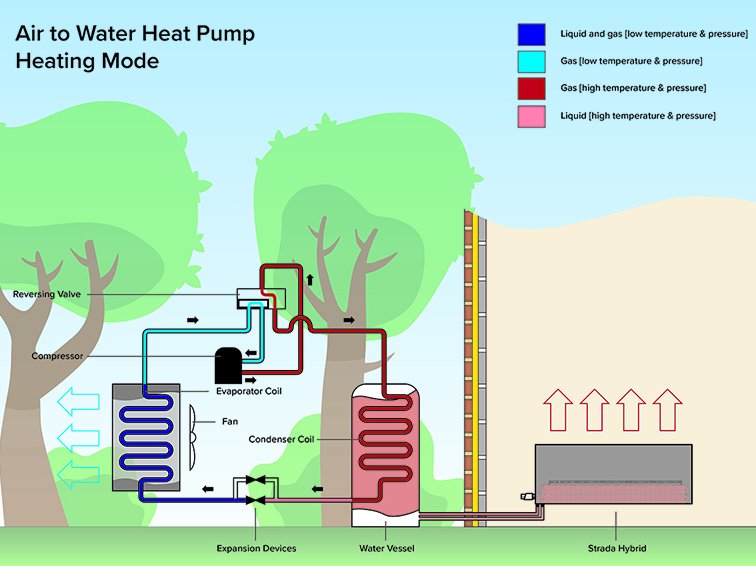
When it comes to heat pump systems for domestic cooling, there are two primary mechanisms at play: active and passive refrigeration. In this article, we’ll delve into the world of heat pumps and explore how they can be used for residential cooling.
Heat Pumps for Water Heating
In our previous article, “Choosing the Right Power for a Heat Pump,” we discussed the impact of water heating on the sizing of a heat pump system. In this section, we’ll focus specifically on using heat pumps for domestic cooling.
Heat Pumps for Cooling
To determine the correct size of a heat pump system for residential cooling, several factors must be considered. These include:
- External climate: This affects the amount of cooling required.
- Internal thermal loads: This includes the energy consumed by appliances and lighting.
- Building construction: Factors such as insulation, windows, and exterior shading can impact cooling needs.
Internal thermal loads are represented by residual heat from electrical appliances, lighting, and personal items. If the building’s cooling demand exceeds its heating demand, the heat pump system must be sized accordingly to ensure proper performance.
Conversely, if the building’s cooling demand is lower than its heating demand, the heat pump system can be designed based on cooling requirements alone. This setup allows the system to function in both heating and cooling modes simultaneously.
Passive Refrigeration
As mentioned earlier, there are two primary methods of refrigeration for heat pumps: active and passive. Passive refrigeration involves utilizing a natural cooling source, such as groundwater or ambient air, while active refrigeration relies on an external energy source to drive the cooling process.
In passive refrigeration systems, the cooling capacity is directly influenced by:
- The type and size of the cooling source
- Volumetric flow rate
- Heat exchanger design
Passive heat pumps are ideal for maintaining indoor temperatures in warm weather when outdoor temperatures are low. This setup allows for efficient energy usage without requiring active pump operation.
Active Refrigeration
Active refrigeration systems, on the other hand, use an external energy source to drive the cooling process. The efficiency of this system depends primarily on:
- Desired temperature drop
- Outdoor air temperature
In these systems, heat pumps operate in both heating and cooling modes, making them highly versatile for residential applications.
Types of Heat Pumps
There are several types of heat pumps available, each with its unique characteristics and advantages. Some of the most common types include:
- Air-Source Heat Pumps: These systems use outdoor air to absorb heat and transfer it into the building.
- Ground-Source Heat Pumps: These systems use underground pipes or loops to absorb heat from the earth, providing efficient and environmentally friendly cooling.
- Hybrid Heat Pumps: These systems combine different types of refrigeration technology, such as air-source and ground-source systems, to provide optimal performance.
System Design Considerations
When designing a heat pump system for residential cooling, several factors must be considered:
- System capacity: This determines the size of the heat pump and the number of units required.
- Refrigerant selection: The type of refrigerant used can impact the system’s efficiency and environmental sustainability.
- Cooling mode operation: Heat pumps can operate in both heating and cooling modes, so it’s essential to consider which mode is most suitable for your building.
Inverter Technology
Modern heat pump systems often incorporate advanced technologies like inverter technology. Inverter-driven compressors optimize energy consumption by adjusting compressor speed according to cooling demand.
Inverter-based systems are ideal for applications with varying cooling needs, as they provide efficient and precise control over the cooling process.
Cost-Effectiveness
Heat pumps offer a cost-effective solution for domestic cooling compared to traditional air conditioning systems. By using waste heat from buildings to drive the refrigeration cycle, heat pumps reduce energy consumption and lower operating costs.
However, the initial investment required to install a heat pump system may be higher than traditional cooling systems. Nevertheless, the long-term savings on energy bills make up for this initial expense over time.
Maintenance and Repair
Regular maintenance is crucial to ensure optimal performance of your heat pump system. Tasks like cleaning the air filter, inspecting refrigerant lines, and monitoring compressor performance can help prevent costly repairs down the line.
By understanding how to properly maintain and repair your heat pump system, you can enjoy reliable and efficient cooling for years to come.
Frequently Asked Questions (FAQs)
Q: What are the primary factors that influence the size of a heat pump system for residential cooling?
A: The external climate, internal thermal loads, and building construction play crucial roles in determining the correct size of a heat pump system.
Q: How do passive refrigeration systems work?
A: Passive refrigeration systems utilize natural cooling sources like groundwater or ambient air to cool buildings. These systems require no active pump operation.
Q: What is the primary factor that determines the efficiency of an active refrigeration system?
A: The desired temperature drop and outdoor air temperature are the key factors influencing the performance of active refrigeration systems.
Q: Can heat pumps be used for both heating and cooling purposes?
A: Yes, heat pumps can operate in both heating and cooling modes simultaneously.
Q: What is the most suitable type of refrigerant for residential cooling applications?
A: R-410A is a popular choice for residential cooling due to its environmental sustainability and safety profile.
Q: How often should I perform routine maintenance on my heat pump system?
A: It’s recommended to inspect your heat pump system every 6 months and perform cleaning tasks as needed to ensure optimal performance.
By understanding the principles of domestic cooling with heat pumps, you can make informed decisions about your cooling needs and system design. With their unique characteristics and advantages, heat pumps offer a cost-effective solution for maintaining comfortable indoor temperatures while minimizing energy consumption.


