
Understanding the Basics of Veganism
Veganism is often misunderstood as a diet, but it’s so much more than that. It’s a lifestyle choice that encompasses a complete avoidance of animal products, including clothing and other materials.
What Does it Mean to be Vegan?
A vegan is someone who chooses to abstain from consuming animal products, such as meat, dairy, eggs, and even honey. But being vegan isn’t just about food; it’s also about avoiding products made from animal by-products, like leather, fur, silk, wool, and feathers.
The Difference Between Veganism and Vegetarianism
While both vegans and vegetarians avoid consuming animal flesh, there are key differences between the two lifestyles. Vegetarians may consume dairy products, eggs, and even honey, which is not allowed in veganism. Vegans, on the other hand, also avoid products made from animal by-products.
Why Become a Vegan?
There are many reasons why people choose to adopt a vegan lifestyle. Some do it for political or social reasons, while others opt for health benefits. But one thing is certain: veganism has become increasingly popular, and for good reason.
The Benefits of Veganism for the Environment
Veganism is often misunderstood as being just about food, but its impact on the environment is enormous. Animal agriculture is a significant contributor to greenhouse gas emissions, deforestation, and water pollution. By avoiding animal products, vegans can significantly reduce their carbon footprint.
What Can Vegans Eat?
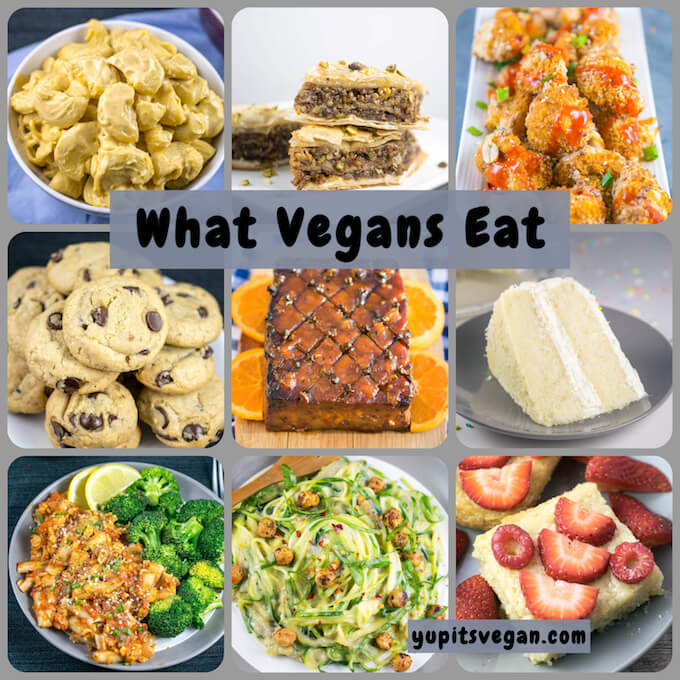
The good news is that vegans have access to a wide variety of delicious and nutritious foods. Here are some examples:
- Legumes: Beans, lentils, chickpeas, and peas are all high in protein and fiber.
- Whole grains: Brown rice, quinoa, whole wheat bread, and pasta are all great sources of complex carbohydrates.
- Fruits and vegetables: Fresh produce is rich in vitamins, minerals, and antioxidants.
- Nuts and seeds: Almonds, walnuts, chia seeds, and flaxseeds are all high in healthy fats and protein.
- Plant-based milk alternatives: Soy milk, almond milk, oat milk, and coconut milk are all great sources of calcium and vitamins.
What Can’t Vegans Eat?
The not-so-good news is that vegans have to avoid certain foods, including:
- Meat and fish: Beef, chicken, pork, lamb, salmon, tuna, shrimp, and lobster.
- Dairy products: Milk, cheese, yogurt, ice cream, butter, and ghee.
- Eggs: Chicken eggs, duck eggs, quail eggs, and ostrich eggs.
- Honey: Beeswax candles, cosmetics, and medications may contain honey.
- Gelatin: Marshmallows, jelly beans, fruit roll-ups, and some types of candy.
The History of Veganism
Veganism has a rich history that dates back thousands of years. From ancient civilizations to modern-day movements, veganism has evolved over time to become the lifestyle choice it is today.
The Benefits of Veganism for Your Health
A well-planned vegan diet can provide numerous health benefits, including:
- Lower risk of heart disease: Plant-based diets tend to be low in saturated fat and high in fiber.
- Weight loss: Vegan diets are often lower in calories and higher in fiber, making it easier to lose weight.
- Improved digestion: A diet rich in fruits, vegetables, and whole grains can promote regular bowel movements.
Frequently Asked Questions
Here are some frequently asked questions about veganism:
- What is a vegan?
Vegan means avoiding animal products, including food, clothing, and other materials. - Why become a vegan?
People choose to adopt a vegan lifestyle for various reasons, such as health benefits, environmental concerns, or social justice. - Can I still eat cheese and eggs if I’m vegan?
No, traditional cheese and eggs are animal products that vegans avoid consuming. - What foods can I eat on a vegan diet?
There is a wide variety of plant-based foods to choose from, including legumes, whole grains, fruits, vegetables, nuts, seeds, and plant-based milk alternatives. - Can I still get enough protein on a vegan diet?
Yes, there are many high-protein plant-based foods available, such as legumes, beans, lentils, tofu, tempeh, seitan, and whole grains.
Conclusion
Veganism is more than just a diet; it’s a lifestyle choice that promotes compassion, sustainability, and well-being. By understanding the basics of veganism, its benefits for the environment, and the variety of delicious plant-based foods available, you can make informed choices about your own lifestyle.
Frequently Asked Questions
- What is veganism?
Veganism is a lifestyle choice that involves avoiding animal products, including food, clothing, and other materials. - Why become a vegan?
People choose to adopt a vegan lifestyle for various reasons, such as health benefits, environmental concerns, or social justice. - Can I still eat cheese and eggs if I’m vegan?
No, traditional cheese and eggs are animal products that vegans avoid consuming. - What foods can I eat on a vegan diet?
There is a wide variety of plant-based foods to choose from, including legumes, whole grains, fruits, vegetables, nuts, seeds, and plant-based milk alternatives. - Can I still get enough protein on a vegan diet?
Yes, there are many high-protein plant-based foods available, such as legumes, beans, lentils, tofu, tempeh, seitan, and whole grains.
Final Thoughts
Veganism is a lifestyle choice that has evolved over time to become the movement it is today. By understanding its history, benefits, and varieties of delicious plant-based foods available, you can make informed choices about your own lifestyle.
Veganism offers numerous health benefits, such as lower risk of heart disease, weight loss, and improved digestion.
By adopting a vegan lifestyle, you are contributing to the reduction of greenhouse gas emissions, deforestation, and water pollution.


