
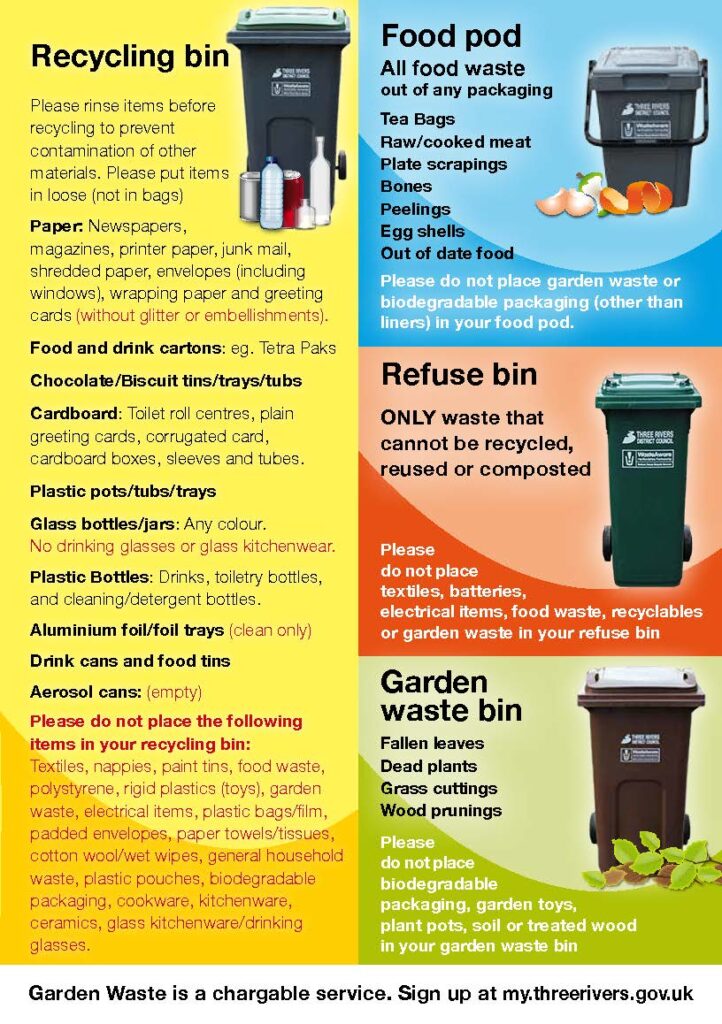
In today’s world, waste sorting has become a crucial aspect of our daily lives. With the increasing awareness about the importance of recycling and reducing waste, it’s essential to have a clear understanding of what can be recycled and how to do it correctly. The concept of waste sorting is often associated with environmental sustainability, but it also involves individual responsibility and community engagement. In this article, we will delve into the world of waste sorting, exploring its significance, benefits, and challenges. We will also examine the Dictionary of Waste, a unique tool that aims to simplify the process of waste sorting for citizens.
The Importance of Waste Sorting
Waste sorting is an essential aspect of waste management, as it enables individuals to make informed decisions about what they can and cannot recycle. Proper waste sorting reduces the risk of contamination, which can lead to decreased recycling rates and increased environmental harm. By understanding what materials are suitable for recycling and how to sort them correctly, citizens can contribute to a more sustainable environment.
Benefits of Waste Sorting
The benefits of waste sorting are numerous:
- Reduced Environmental Harm: Proper waste sorting reduces the risk of contamination, which can lead to decreased recycling rates and increased environmental harm.
- Increased Recycling Rates: By understanding what materials are suitable for recycling, citizens can increase their recycling rates, contributing to a more sustainable environment.
- Cost Savings: Waste sorting can help reduce waste disposal costs by identifying materials that can be recycled or reused.
- Community Engagement: Waste sorting encourages community engagement and education, promoting environmental awareness and responsibility.
Challenges in Waste Sorting
Despite the benefits of waste sorting, there are several challenges that citizens face:
- Lack of Awareness: Many citizens may not be aware of what materials can be recycled or how to sort them correctly.
- Inadequate Infrastructure: In some areas, waste management infrastructure may be inadequate, leading to difficulties in collecting and processing recyclable materials.
- Contamination: Contaminated materials can decrease recycling rates and increase environmental harm.
The Dictionary of Waste: A Comprehensive Guide
The Dictionary of Waste is a public utility service that provides support to citizens who participate in daily waste collection. The platform offers a comprehensive database of over 850 entries, which are regularly updated to reflect changes in the recycling process. Users can access the calendar of collection days for their area and receive notifications to ensure they don’t miss a pickup day. Additionally, the platform provides information on local points of interest, such as waste management centers and offices.
How Does it Work?
The Dictionary of Waste is an intuitive platform that makes waste sorting easy and accessible:
- Registration: Citizens can register for the platform to access its features.
- Database: The platform offers a comprehensive database of over 850 entries, which are regularly updated to reflect changes in the recycling process.
- Calendar of Collection Days: Users can access their area’s calendar of collection days and receive notifications when waste is collected.
- Points of Interest: The platform provides information on local points of interest, such as waste management centers and offices.
Future Developments
The team behind the Dictionary of Waste is constantly working on new features that will enhance its functionality:
- Integration with Smart Home Devices: The developers aim to integrate the Dictionary of Waste with smart home devices, making it easier for citizens to access information on waste collection.
- API Integration: The platform will be integrated with an API to enable integration with other environmental initiatives.
Accessibility and Compatibility
The Dictionary of Waste is available on both the website and mobile apps for Android, iOS, and tablets:
- Website: Citizens can access the platform through the website, which offers a comprehensive database of over 850 entries.
- Mobile Apps: The platform has mobile apps for Android, iOS, and tablets, making it easy for citizens to access information on waste collection.
Future Plans and Opportunities
The developers behind the Dictionary of Waste have several ideas for future projects:
- Environmental Initiatives: The team aims to develop environmental initiatives that utilize open data and green technologies.
- Expansion: The platform will be expanded to other countries, enabling citizens worldwide to access information on waste collection.
Frequently Asked Questions
Q: What inspired you to create the Dictionary of Waste?
A: I noticed that my family members were struggling with waste sorting in our hometown, and I wanted to find a simple solution. The idea for the Dictionary of Waste was born out of this experience.
Q: How does the platform work?
A: The Dictionary of Waste is a public utility service that provides information on waste collection days, points of interest, and other relevant details. Users can access the platform through the website or mobile apps.
Q: What are the benefits of using the Dictionary of Waste?
A: By using the Dictionary of Waste, citizens can reduce errors during waste sorting, increase recycling rates, and contribute to a more sustainable environment.
Q: How many municipalities have joined the platform so far?
A: Currently, 35 municipalities have partnered with the Dictionary of Waste, providing users with specific information on waste collection.
Q: Is the platform accessible on all devices?
A: Yes, the Dictionary of Waste is available on both websites and mobile apps for Android, iOS, and tablets.
Q: What are future plans for the project?
A: The developers aim to integrate the Dictionary of Waste with smart home devices and develop an API to enable integration with other environmental initiatives.


