
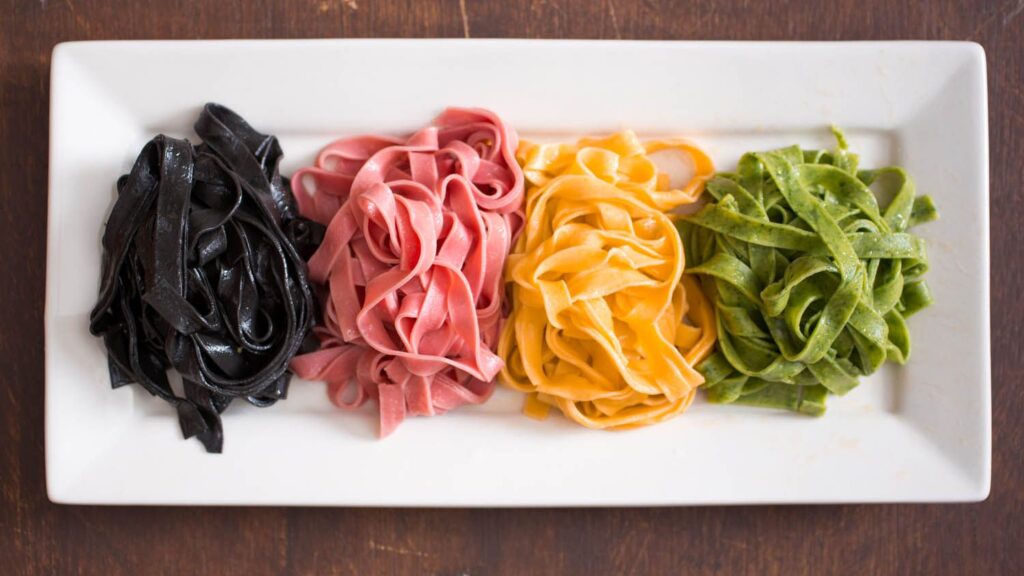
As a food enthusiast, have you ever wondered how to create colorful pasta without using artificial colorants? Look no further! In this article, we’ll explore the world of natural food coloring and provide you with a comprehensive guide on how to make your own colored pasta at home.
The Benefits of Natural Food Coloring
Before we dive into the recipe, let’s talk about why natural food coloring is a great alternative to artificial ones. Not only do natural colorants add flavor and aroma to our dishes, but they also provide a wealth of health benefits. Artificial colorants, on the other hand, have been linked to various health problems, including hyperactivity and allergic reactions.
Choosing the Right Natural Colorants
The key to creating colored pasta is selecting the right natural colorants. These can be found in a variety of forms, including powders, liquids, and fresh ingredients. Here are some of our favorite natural colorants:
- Spinach and beetroot: These two leafy greens provide a beautiful shade of green and red, respectively.
- Turmeric: This spice gives pasta a warm, golden yellow color.
- Squash: Carrots and pumpkin can create vibrant orange hues when used to dye pasta.
- Cacao powder: Adding a pinch of cacao powder will give your pasta a rich, brown color.
Pasta Color Palette
Now that we have our natural colorants, let’s talk about the different shades we can achieve. Here are some of our favorite colors and how to create them:
- Green pasta: Use 60 grams of spinach or beetroot for every 600 grams of flour.
- Red pasta: Add 4 tablespoons of tomato paste for every 600 grams of flour.
- Yellow pasta: Mix in 1/2 teaspoon of turmeric powder per 100 grams of flour.
- Orange pasta: Use 100 grams of pureed carrot or pumpkin per 100 grams of flour.
- Brown pasta: Add 1 tablespoon of cacao powder per 150 grams of flour.
Tips and Tricks
Creating colored pasta is a fun and creative process. Here are some tips to keep in mind:
- Use fresh ingredients: The fresher your ingredients, the more vibrant the color will be.
- Experiment with ratios: Play around with different amounts of natural colorants to achieve the perfect shade.
- Add flavor: Natural colorants can also add a boost of flavor to your pasta.
Common Mistakes to Avoid
While creating colored pasta is a fun and creative process, there are some common mistakes to avoid:
- Overmixing: Overmixing the dough can cause the color to become uneven or even separate from the pasta.
- Insufficient kneading: Not kneading the dough enough can result in a sticky, difficult-to-work-with pasta.
- Incorrect temperature: Cooking pasta at too high of a temperature can cause the color to bleed or fade.
Food Coloring Options for Specific Color Requirements
While we’ve discussed some general guidelines for natural food coloring, there are some specific options that work well for certain colors:
- For blue pasta: Use 10 grams of spirulina powder per 600 grams of flour.
- For purple pasta: Mix in 10 grams of beetroot juice per 100 grams of flour.
- For pink pasta: Add 5 grams of strawberry puree per 150 grams of flour.
Preserving the Color
Once you’ve made your colored pasta, it’s essential to preserve its color and flavor. Here are some tips:
- Store in a cool, dry place: Keep your colored pasta away from direct sunlight and moisture.
- Use airtight containers: Store your pasta in airtight containers or zip-top bags to prevent air from getting in.
- Freeze for longer storage: If you won’t be using your colored pasta within a few days, consider freezing it for longer storage.
Conclusion
Creating colored pasta is an easy and fun way to add some excitement to your meals. With our guide, you’ll be well on your way to making beautiful, natural-colored pasta at home. So go ahead, get creative, and enjoy the process of creating delicious, colorful dishes!


