
Understanding Diverticulitis: What You Need to Know
Diverticolite is a common condition that affects millions of people worldwide. If you’ve been diagnosed with diverticulitis or have been advised to take antibiotics as the first line of treatment, it’s essential to understand what this condition entails and how diet plays a crucial role in preventing and managing it.
The Importance of Diet in Diverticulitis
While medication is often prescribed for treating diverticulitis, dietary changes can play a significant role in preventing the condition from worsening or recurring. A balanced diet rich in fiber can help promote good digestive health, reduce inflammation, and prevent the formation of small pouches in the colon.
What Causes Diverticulitis?
Diverticulitis is characterized by the formation of small sacs or diverticula in the lining of the colon. These sacs can become inflamed, infected, or infested with bacteria, leading to discomfort, pain, and other symptoms. The risk factors for developing diverticulitis include:
- Age: Diverticulitis affects people between 50 and 80 years old.
- Family history: Having a family history of diverticulitis increases the risk.
- Constipation: A diet low in fiber can lead to constipation, which is a major risk factor for developing diverticulitis.
- Obesity: Being overweight or obese can increase the risk of developing diverticulitis.
The Role of Fiber in Preventing Diverticulitis
Fiber plays a vital role in maintaining good digestive health. It helps:
- Soften stool
- Promote regular bowel movements
- Reduce inflammation
- Support healthy gut bacteria
Foods High in Fiber for Preventing Diverticulitis
Incorporating fiber-rich foods into your diet can help prevent diverticulitis. Some examples include:
- Whole grains: Brown rice, quinoa, whole wheat bread, and whole grain pasta are all great sources of fiber.
- Fruits and vegetables: Berries, citrus fruits, leafy greens, and cruciferous vegetables like broccoli and cauliflower are rich in fiber.
- Legumes: Beans, lentils, and peas are high in fiber and can be incorporated into a variety of dishes.
- Nuts and seeds: Almonds, pumpkin seeds, chia seeds, and flaxseeds are all good sources of fiber.
- Leafy greens: Spinach, kale, collard greens, and Swiss chard are rich in fiber and can be added to salads or cooked into sautés.
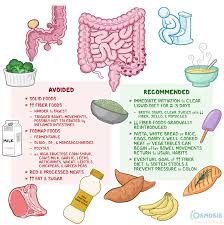
Foods to Avoid When Suffering from Diverticulitis
When you’re suffering from diverticulitis, it’s essential to avoid foods that can exacerbate the condition. These include:
- High-fiber foods: While fiber is essential for digestive health, consuming too much of it can worsen symptoms.
- Spicy and fatty foods: Foods high in spice or fat can irritate the colon and make symptoms worse.
- Caffeine and carbonated drinks: Caffeine and carbonated beverages can increase inflammation and irritation in the colon.
- Processed and high-sugar foods: Foods that are high in sugar, salt, and unhealthy fats can worsen symptoms of diverticulitis.
Managing Diverticulitis through Dietary Changes
Making dietary changes can play a significant role in managing diverticulitis. Here are some tips for managing the condition through diet:
- Increase fiber intake: Aim to consume at least 25-30 grams of fiber per day.
- Eat a balanced diet: Incorporate a variety of whole, unprocessed foods into your diet.
- Avoid high-fiber foods: While fiber is essential for digestive health, consuming too much of it can worsen symptoms.
- Stay hydrated: Drink plenty of water throughout the day to help flush out toxins and reduce inflammation.
Conclusion
Diverticulitis is a common condition that affects millions of people worldwide. While medication is often prescribed for treating diverticulitis, dietary changes can play a significant role in preventing the condition from worsening or recurring. A balanced diet rich in fiber can help promote good digestive health, reduce inflammation, and prevent the formation of small pouches in the colon.
Frequently Asked Questions
- What are the symptoms of diverticulitis?
- How is diverticulitis diagnosed?
- Can diverticulitis be prevented through dietary changes?
- Are there any foods that can exacerbate diverticulitis?
- Can I continue to eat high-fiber foods if I have diverticulitis?
- How long does it take for symptoms of diverticulitis to subside?
- What are the risks associated with untreated diverticulitis?
- Can diverticulitis be treated through surgery or other medical interventions?
By understanding the causes, symptoms, and dietary changes required to manage diverticulitis, you can take proactive steps towards preventing this condition from worsening or recurring.
Recommended Foods for Diverticulitis
- Whole grains
- Fruits and vegetables
- Legumes
- Nuts and seeds
- Leafy greens
Avoid These Foods When Suffering from Diverticulitis
- High-fiber foods
- Spicy and fatty foods
- Caffeine and carbonated drinks
- Processed and high-sugar foods


