
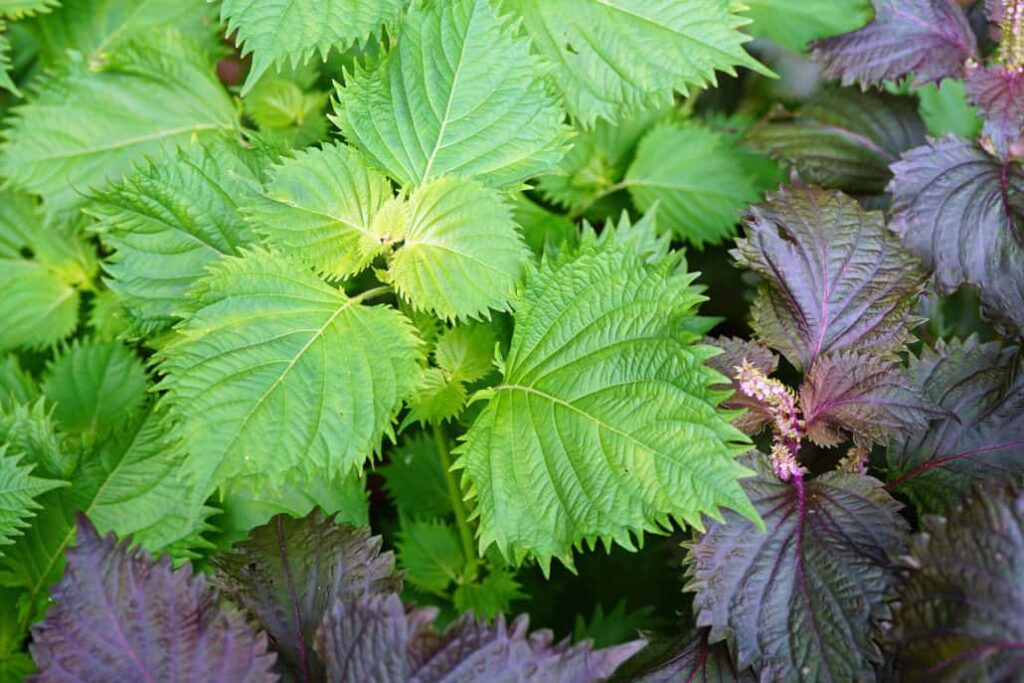
Introduction to Perilla Frutescens
Perilla frutescens, a plant that charms canaries but also humans with its numerous health benefits, yet capable of triggering allergic reactions. Used in cooking and also in homeopathy.
Table of Contents
- The Plant of Perilla
- Cultivation of Perilla Frutescens
- Properties of Perilla Frutescens
- Perilla Frutescens Supplements
- Allergies to Perilla Frutescens
- Perilla Frutescens for Birds
- The Plant of Perilla: Origins and Characteristics
The Plant of Perilla
The scientific name of the plant is Perilla frutescens, but it’s commonly referred to as perilla. It belongs to the Labiatae family. Originating from China, today it’s not well-known in Western countries, where its leaves and seeds are used. The plant contains flavonoids and linoleic acid.
The scientific name of the plant is Perilla frutescens, but it’s commonly referred to as perilla. It belongs to the Labiatae family. Originating from China, today it’s not well-known in Western countries, where its leaves and seeds are used. The plant contains flavonoids and linoleic acid.
Cultivation of Perilla Frutescens
The cultivation of Perilla frutescens is relatively simple as the plant adapts to various climates and the Mediterranean climate is no exception. The perilla frutescens is typically cultivated for use in culinary applications, specifically as an oil from its seeds. It serves as a valuable source of unsaturated fatty acids and phytosterols used to lower dietary cholesterol intake.
The cultivation of Perilla frutescens is relatively simple as the plant adapts to various climates and the Mediterranean climate is no exception. The perilla frutescens is typically cultivated for use in culinary applications, specifically as an oil from its seeds. It serves as a valuable source of unsaturated fatty acids and phytosterols used to lower dietary cholesterol intake.
Properties of Perilla Frutescens
We’ve mentioned one of the properties that make perilla frutescens worth adding to our diet. There are many more reasons why we should include it in our meals. In Eastern cultures, leaves and roots of this plant have been used as natural remedies since ancient times due to their anti-inflammatory, immunomodulatory, and antioxidant properties. They also seem to have sedative and antibacterial effects.
The perilla frutescens leaves are best for achieving anti-inflammatory and immunomodulatory effects, while the oil is better suited for antibacterial or sedative purposes.
Perilla Frutescens Supplements
It’s possible to take Perilla frutescens supplements through practical capsule integrators that can be purchased at pharmacies or online. Amazon offers a popular 180-capsule supplement from the German company Herba Direkt, specialized in high-quality integrators.
These capsules contain 500mg of perilla oil and adhere to HACCP quality standards.
They don’t contain additives like sweeteners, colorants, thickeners, or other ingredients. They are also free from gelatin, yeast, soy, anti-agglomerants like magnesium salts of fatty acids, fragrances, preservatives, pesticides, fungicides, artificial fertilizers, stabilizers, and allergens.
The capsules are suitable for a vegan diet since they don’t contain animal-derived ingredients.
Allergies to Perilla Frutescens
In the perilla oil, there’s a substance that provides beneficial effects but can have negative consequences if taken in large doses. For example, the chetone has a propulsive effect on the gastrointestinal tract but also shows toxicity at high doses. This doesn’t mean we shouldn’t use it for therapeutic purposes: it implies that as with other foods, excessive dosing should be avoided.
The perilla frutescens may cause allergic reactions similar to those experienced by individuals who are particularly sensitive. Therefore, it’s advised not to consume the plant during pregnancy or breastfeeding.
Perilla Frutescens for Birds
As mentioned in the introduction, Perilla frutescens delights canaries and other birds. The same family as mint is used in herbalism and gardening. It serves as bird feed in various species of granivorous and omnivorous birds.
In particular, the perilla seeds are recommended during migration to help form a soft feather coat. The seeds have a light color or brown hue, similar to millet, contain numerous proteins, with 40% being fatty acids rich in polyunsaturated fatty acids, especially Omega-3.
Nutritional Benefits of Perilla Frutescens Oil
Perilla oil is rich in essential fatty acids, particularly linoleic acid. Linoleic acid serves as an important component in various biological processes in the body, like the formation and maintenance of healthy skin and hair, which are critical for overall well-being.
The fatty acids found in perilla oil also contribute to lowering the risk of heart disease by reducing cholesterol levels. The unsaturated fats present help reduce inflammation in the arteries and blood vessels, making it a beneficial addition to one’s diet.
Perilla seed oil is rich in vitamin E, which plays an important role in preventing cell damage caused by free radicals. This can protect our skin from premature aging and cancer risks.
Other Perilla Frutescens Products
While the seeds are commonly used as bird feed, they’re also a valuable source of healthy oils that can be extracted and consumed for human health benefits. The oil is an excellent addition to salads or other meals, providing essential fatty acids while adding flavor to various dishes.
The leaves of perilla frutescens are also used in cooking, particularly in Asian cuisine, where their seeds and leaves are combined with other ingredients like ginger and garlic to create a flavorful dish. The plant can be consumed raw or cooked.
Perilla Frutescens for Mental Health
Research has indicated that Perilla frutescens may have beneficial effects on mental health due to the presence of flavonoids, such as naringenin, in its leaves and seeds. These compounds are thought to possess antianxiety and antidepressant properties.
The sedative properties present in perilla oil may also serve to alleviate symptoms associated with anxiety disorders, including panic attacks and insomnia. The calming effect can help regulate the body’s circadian rhythms and promote better sleep patterns.
Perilla Frutescens for Skin Health
In addition to its beneficial effects on mental health, Perilla frutescens is also thought to possess therapeutic properties that may contribute to improved skin health. Flavonoids present in the leaves of perilla have been shown to exhibit antioxidant and anti-inflammatory activities, which can help protect against various types of cell damage.
The fatty acids found in perilla oil are also believed to play a role in maintaining healthy skin by reducing inflammation and promoting wound healing. This makes it an excellent natural remedy for treating minor cuts, scrapes, or burns.
Perilla Frutescens for Hair Health
In addition to its potential benefits for skin health, Perilla frutescens is also thought to possess therapeutic properties that may contribute to improved hair health. The fatty acids present in perilla oil are believed to promote healthy hair growth by nourishing the scalp and promoting a healthy scalp environment.
Flavonoids found in the leaves of perilla have also been shown to exhibit antioxidant and anti-inflammatory activities, which can help protect against various types of cell damage that may lead to hair loss or other hair-related disorders.
Precautions and Side Effects
While Perilla frutescens is considered a safe herb when used in moderation, there are some precautions and potential side effects to be aware of. The plant contains flavonoids, which can cause allergic reactions in some individuals. Therefore, it’s advised not to consume the plant during pregnancy or breastfeeding.
In high doses, perilla oil may also trigger gastrointestinal issues, such as stomach upset, diarrhea, or constipation. This doesn’t mean we shouldn’t use it for therapeutic purposes: it implies that as with other foods, excessive dosing should be avoided.
Conclusion
Perilla frutescens is a plant with numerous benefits that can be utilized in various ways. By incorporating this supplement into our diet or feeding it to birds, we’ll experience the positive effects of perilla frutescens on human health and bird biology.
We’ve discussed the cultivation of Perilla frutescens, its properties, supplements, allergies, use for birds, nutritional benefits, other products, mental health benefits, skin health benefits, hair health benefits, precautions, and side effects.


