
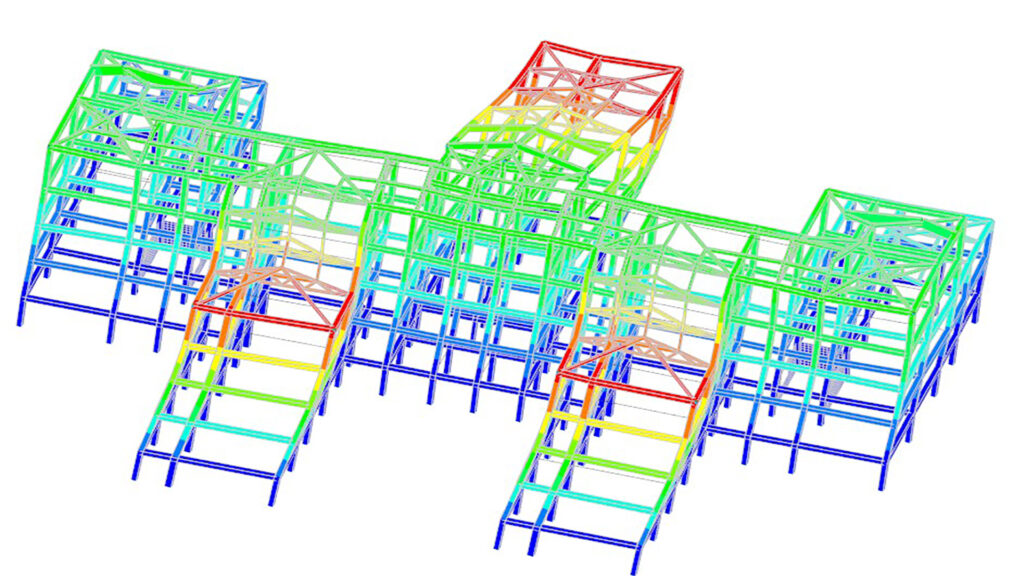
As an earthquake prone country, Italy has seen its fair share of devastating tremors in recent years. While many homeowners are left wondering what they can do to make their homes safer and more resilient, there is a solution that can provide both financial benefits and peace of mind: seismic retrofitting. In this article, we will explore the concept of seismic retrofitting, its benefits, and how the Sisma Bonus can help you unlock safety and savings for your home.
What is Seismic Retrofitting?
Seismic retrofitting refers to the process of modifying a building or home to make it more resistant to earthquakes. This can involve making structural changes to the foundation, walls, and roof, as well as installing specialized materials and systems to absorb seismic forces. The goal of seismic retrofitting is to transform a vulnerable structure into one that can withstand the stresses and strains caused by an earthquake.
The Sisma Bonus: A Tax Incentive for Homeowners
In 2017, the Italian government introduced the Sisma Bonus, a tax incentive aimed at encouraging homeowners to undertake antisymmetric adaptations of their buildings. The bonus provides up to 85% tax relief on expenses incurred in seismic retrofitting works, making it an attractive option for those looking to make their homes safer and more resilient.
Eligibility Criteria
To be eligible for the Sisma Bonus, your home must meet certain criteria:
- Be located in a high-risk or medium-risk seismic zone (zones 1, 2, or 3)
- Have been built before 1974
- Undergo renovations that include antisymmetric adaptations
How Does the Sisma Bonus Work?
The Sisma Bonus is provided by the Italian government as part of the 2017 Budget Law. To claim the bonus, homeowners must file a tax return for 2018 and provide documentation of the expenses incurred in seismic retrofitting works.
- Expenses can include structural modifications, installation of seismic systems, and other antisymmetric adaptations
- The amount of tax relief provided depends on the specific requirements of your project
Benefits of Seismic Retrofitting
Seismic retrofitting offers numerous benefits for homeowners, including:
- Enhanced safety: By making your home more resilient to earthquakes, you can reduce the risk of damage or collapse.
- Increased property value: A seismic retrofitted home can increase its value and appeal to potential buyers.
- Cost savings: While initial costs may be high, seismic retrofitting can save you money in the long run by reducing the need for costly repairs or replacement.
Costs Associated with Seismic Retrofitting
The cost of seismic retrofitting varies widely depending on the specific requirements of your project. However, here are some estimated costs to consider:
- Average cost per square meter: €20,000 to €30,000
- Total cost for a typical 90-100 square meter home: €1.8 million to €2.7 million
Case Studies and Examples
Here are some real-life examples of seismic retrofitting projects that demonstrate the effectiveness and value of this approach:
- A high-rise building in Milan underwent a comprehensive seismic retrofitting project, resulting in significant cost savings and enhanced safety features.
- A family home in Naples was retrofitted with a seismic system, allowing them to enjoy peace of mind while living in a region prone to earthquakes.
Conclusion
Seismic retrofitting is an essential investment for homeowners in earthquake-prone areas. With the Sisma Bonus providing up to 85% tax relief on expenses incurred in seismic retrofitting works, this incentive has made it more accessible than ever. By exploring the benefits and costs associated with seismic retrofitting, you can make an informed decision about whether this approach is right for your home.
FAQs
- What are the eligibility criteria for the Sisma Bonus?
- How much tax relief can I claim through the Sisma Bonus?
- What expenses are eligible for deduction under the Sisma Bonus?
- Can I combine seismic retrofitting with other renovation projects to increase my tax benefits?
- How long does it take to complete a seismic retrofitting project?
- Can I hire an engineer or architect to guide me through the process of seismic retrofitting?
- What are the most common materials used in seismic retrofits?
- Are there any specific regulations or laws governing seismic retrofitting projects?
Understanding Seismic Zones
Italy is divided into four seismic zones, each with its own set of risks and requirements:
- Zone 1: High-risk zone, characterized by frequent earthquakes (at least one major earthquake every two years)
- Zone 2: Medium-risk zone, characterized by occasional earthquakes
- Zone 3: Low-risk zone, characterized by infrequent earthquakes
Seismic Retrofitting for New Buildings
While seismic retrofitting is often associated with older buildings, it can also be applied to new constructions. This is especially important in regions prone to high earthquake activity.
The Role of Engineers and Architects
Engineers and architects play a crucial role in seismic retrofitting projects. They help homeowners design and implement the necessary modifications to ensure their home can withstand earthquakes safely.
Conclusion: Unlocking Safety and Savings with Seismic Retrofitting
In conclusion, seismic retrofitting is an essential investment for homeowners in earthquake-prone areas. With the Sisma Bonus providing up to 85% tax relief on expenses incurred in seismic retrofitting works, this incentive has made it more accessible than ever. By understanding the benefits and costs associated with seismic retrofitting, you can make an informed decision about whether this approach is right for your home.
Additional Resources
For those interested in learning more about seismic retrofitting, there are several resources available:
- Italian National Institute of Geophysics and Volcanology (INGV): Provides information on seismic activity and risk assessment
- Italian Ministry of Infrastructure and Transport: Offers guidance on seismic retrofitting and building codes


