
Hydroponics is a growing trend in home gardening, offering a sustainable and efficient way to grow plants without relying on traditional soil-based irrigation systems. However, getting started with hydroponics requires some knowledge of the basics and the right equipment.
In this article, we’ll explore the fundamentals of hydroponics, including what it is, the necessary components, and tips for beginners. We’ll also discuss the benefits of using hydroponics and provide recommendations for choosing the right plants and materials.
What is Hydroponics?
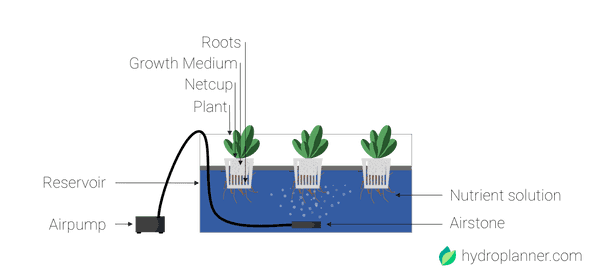
Hydroponics is a method of growing plants in a nutrient-rich solution rather than soil. This technique involves suspending plant roots in a controlled environment, where they absorb nutrients and water from a solution. Hydroponics eliminates the need for traditional irrigation systems, reducing water waste and increasing crop yields.
There are several types of hydroponic systems, including:
- Nutrient Film Technique (NFT): Plants are suspended in a continuous stream of nutrient-rich solution.
- Deep Water Culture (DWC): Plants are grown in a container filled with water and nutrients.
- Ebb-and-Flow: Plants are submerged in a nutrient-rich solution for a set period before being lifted back up to the surface.
Getting Started with Hydroponics
To get started with hydroponics, you’ll need a few basic components:
- A hydroponic system (e.g., NFT, DWC, or Ebb-and-Flow)
- Nutrient-rich solution
- Pots or containers for the plant’s roots
- pH test kit
- Growing medium (e.g., clay pebbles or rockwool)
Choosing the Right Plants
Not all plants are suitable for hydroponics. Some plants thrive in soil-based environments, while others prefer the controlled conditions of a hydroponic system.
For beginners, consider starting with low-maintenance plants like:
- Leafy greens (lettuce, kale, spinach)
- Herbs (basil, mint, parsley)
- Cherry tomatoes
- Cucumbers
When selecting plants for hydroponics, look for varieties that are specifically bred for this method. Some popular choices include:
- ‘Green Goliath’ tomato
- ‘Bush Blue Lake’ green beans
- ‘Red Robin’ lettuce
Benefits of Hydroponics
Hydroponics offers several benefits over traditional soil-based gardening:
- Increased crop yields: Hydroponics can increase plant growth rates by up to 30% compared to traditional methods.
- Water conservation: Hydroponics uses significantly less water than traditional methods, making it an attractive option for areas with limited water resources.
- Reduced fertilizer usage: Hydroponics allows for more precise control over nutrient levels, reducing the amount of fertilizer needed.
- Improved plant health: Hydroponics can help prevent pests and diseases that are common in soil-based gardens.
- Year-round growing capabilities: Hydroponics allows for year-round growth, regardless of weather conditions.
Tips for Beginners
Hydroponics can be a rewarding hobby, but it requires some knowledge and planning. Here are some tips to keep in mind:
- Start small: Begin with a small system and gradually scale up as you gain experience.
- Research different systems: Look into different hydroponic systems and choose the one that best suits your needs.
- Monitor pH levels: Regularly check pH levels to ensure they remain within the optimal range for plant growth.
- Provide adequate light: Most plants require adequate light to grow, so ensure that your system is receiving sufficient light.
Common Hydroponics Mistakes
Hydroponics can be a complex and nuanced subject, and even experienced growers can make mistakes. Here are some common errors to watch out for:
- Over-watering: This can lead to root rot and other problems.
- Under-watering: This can cause plants to become stressed and vulnerable to disease.
- Poor pH control: pH levels that are too high or too low can be detrimental to plant growth.
By following these tips and avoiding common mistakes, you’ll be well on your way to growing healthy and thriving plants in a hydroponic system. Whether you’re a seasoned gardener or just starting out, hydroponics offers a unique opportunity to grow delicious and nutritious food year-round.
Hydroponics for Beginners: A Step-by-Step Guide
If you’re new to hydroponics, it can be overwhelming to navigate the various components and systems available. Here’s a step-by-step guide to help you get started:
- Choose Your System: Research different hydroponic systems and choose the one that best suits your needs.
- Select Your Plants: Choose low-maintenance plants like leafy greens, herbs, or cherry tomatoes.
- Prepare Your System: Set up your system according to the manufacturer’s instructions.
- Monitor pH Levels: Regularly check pH levels to ensure they remain within the optimal range for plant growth.
- Provide Adequate Light: Ensure that your plants are receiving sufficient light for optimal growth.
By following these steps and tips, you’ll be well on your way to growing healthy and thriving plants in a hydroponic system. Whether you’re a seasoned gardener or just starting out, hydroponics offers a unique opportunity to grow delicious and nutritious food year-round.
Hydroponics for Beginners: Common Mistakes to Avoid
While hydroponics can be a rewarding hobby, there are several common mistakes that beginners should avoid. Here are some of the most frequent errors:
- Over-watering: This can lead to root rot and other problems.
- Under-watering: This can cause plants to become stressed and vulnerable to disease.
- Poor pH control: pH levels that are too high or too low can be detrimental to plant growth.
By avoiding these common mistakes, you’ll be well on your way to growing healthy and thriving plants in a hydroponic system.
Conclusion
Hydroponics is a unique and rewarding method of growing plants. While it requires some knowledge and planning, the benefits of hydroponics make it an attractive option for gardeners of all levels. By following these tips and avoiding common mistakes, you’ll be well on your way to growing healthy and thriving plants in a hydroponic system.
Whether you’re a seasoned gardener or just starting out, hydroponics offers a unique opportunity to grow delicious and nutritious food year-round. So why not give it a try? With the right equipment and knowledge, you can start growing like a pro in no time.


