
As a gardener, pruning your roses is an essential task to ensure they thrive and produce beautiful blooms. However, with so many variables at play, it can be daunting to know when and how to prune your roses. In this article, we’ll delve into the world of rose pruning, exploring the best practices, techniques, and tips to help you become a pro at pruning your roses.
Understanding Rose Pruning
Pruning roses is not just about cutting back stems; it’s an art that requires patience, skill, and attention to detail. The goal of pruning is to maintain the health, shape, and beauty of your rose bushes while promoting new growth and encouraging blooming. But when is the best time to prune?
When to Prune Roses
The answer varies depending on the type of rose you have and the climate in which you live. Generally, it’s recommended to prune roses from late November to February or March, depending on your location.
For non-flowering roses (also known as floribundas or grandifloras), prune after the flowers have finished blooming. For climbing roses, prune immediately after they finish flowering. And for ramblers and shrub roses, prune in late summer or early fall.
Pruning Techniques
Before we dive into specific pruning techniques, let’s cover some general principles:
- Prune only what’s necessary to maintain the health and shape of your rose bushes.
- Cut stems at a 45-degree angle, making sure the cut is clean and smooth.
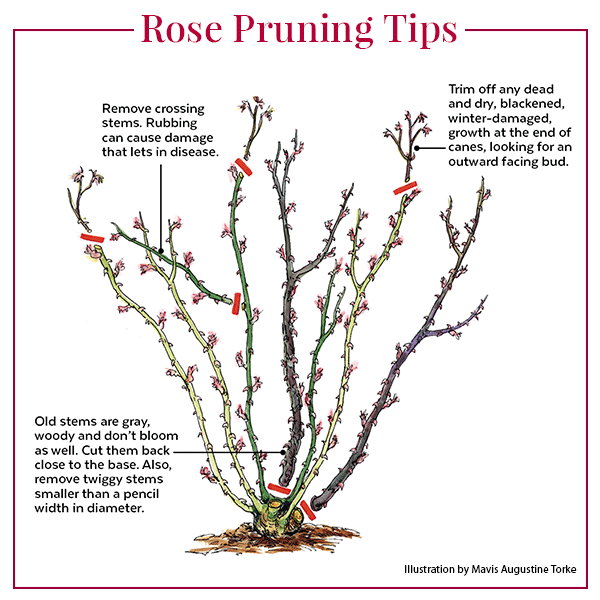
- Remove dead, diseased, or damaged wood to prevent the spread of disease and encourage new growth.
Pruning Different Types of Roses
Here are some specific pruning tips for different types of roses:
Pruning Young Rose Plants
If you’ve recently planted a rose bush, it’s essential to prune it carefully. Prune your young rose plants in early spring or fall, removing any dead or damaged wood and shaping the canes to encourage new growth.
- Start by removing any weak or spindly growth, leaving only healthy, vigorous stems.
- Cut back the tips of the canes to about 12 inches from the ground, promoting branching and a fuller plant.
- Thin out the center of the plant to allow for good air circulation and sunlight penetration.
Pruning Established Roses
For established roses, prune them in late winter or early spring, using the techniques described above.
- Start by removing any dead, diseased, or damaged wood, cutting it back as far as necessary.
- Cut back the tips of the canes to about 12 inches from the ground, promoting branching and a fuller plant.
- Thin out the center of the plant to allow for good air circulation and sunlight penetration.
Pruning Ramblers and Shrub Roses
For ramblers and shrub roses, prune them in late summer or early fall, removing any dead or damaged wood and shaping the canes to maintain their shape.
- Cut back the tips of the canes to about 6 inches from the ground, promoting new growth and a fuller plant.
- Thin out the center of the plant to allow for good air circulation and sunlight penetration.
- Prune any crossing or rubbing branches to promote healthy growth and prevent disease.
Tips for Successful Pruning
Here are some additional tips to help you become a pro at pruning your roses:
- Use clean and sharp tools to prevent the spread of disease.
- Disinfect your tools between cuts to prevent the transfer of bacteria.
- Make clean cuts, avoiding crushing or tearing the stems.
Frequently Asked Questions
Here are some answers to common questions about rose pruning:
Q: When should I prune my roses?
A: The best time to prune depends on the type of rose you have and your location. Generally, it’s recommended to prune roses from late November to February or March.
Q: How often should I prune my roses?
A: Prune your roses annually, removing any dead, diseased, or damaged wood and shaping the canes to maintain their shape.
Q: What tools do I need for pruning?
A: You’ll need a pair of clean and sharp gardening shears or loppers, as well as a saw for thicker stems.
Q: How long does it take for my roses to recover from pruning?
A: With proper care and attention, your roses should recover quickly from pruning. However, it may take several years for them to regain their full vigor.
Conclusion
Pruning your roses is an art that requires patience, skill, and attention to detail. By following the techniques and tips outlined in this article, you’ll be well on your way to becoming a pro at pruning your roses. Remember to prune only what’s necessary, use clean and sharp tools, and make clean cuts to ensure your roses thrive.
FAQs
Here are some answers to common questions about rose pruning:
- When should I prune my roses?
- The best time to prune depends on the type of rose you have and your location. Generally, it’s recommended to prune roses from late November to February or March.
- How often should I prune my roses?
- Prune your roses annually, removing any dead, diseased, or damaged wood and shaping the canes to maintain their shape.
- What tools do I need for pruning?
- You’ll need a pair of clean and sharp gardening shears or loppers, as well as a saw for thicker stems.
- How long does it take for my roses to recover from pruning?
- With proper care and attention, your roses should recover quickly from pruning. However, it may take several years for them to regain their full vigor.
By following these tips and techniques, you’ll be able to prune your roses with confidence and enjoy the beautiful blooms they provide.


