
Introduction
The Austrian Hound is a medium-sized dog breed originating from Austria, primarily used for hunting large game. In this article, we will delve into the characteristics, temperaments, and needs of this breed, as well as provide guidance on finding a reputable breeder and caring for your new companion.
Physical Characteristics
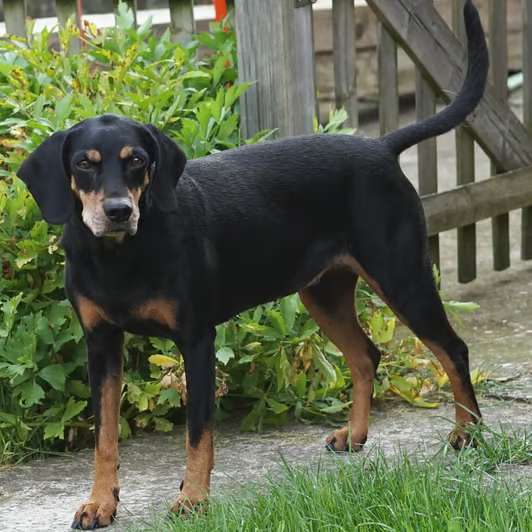
- Mouth and Nose: The Austrian Hound has a long, narrow muzzle with a well-developed nose.
- Ears: Long, wide, and hanging ears are a hallmark of this breed.
- Eyes: Medium-sized eyes with a dark brown color and an expressive, lively appearance.
- Coat: A short, dense coat that is harsh to the touch and comes in various shades of fawn to black, with white markings on the chest and legs.
The Austrian Hound has a muscular and lean body, making it well-suited for active lifestyles.
Temperament
- Energy Level: The Austrian Hound is an energetic breed that requires regular exercise to keep them happy and healthy.
- Intelligence: Intelligent and curious, they make great companions for active families.
- Affectionate: Austrians are known for their loyalty and affection towards their owners.
However, this breed can be challenging to manage for inexperienced dog owners due to its high energy levels and need for regular exercise.
Growth and Development
- Weight Range: Males typically weigh between 18-25 kg (40-55 lbs), while females weigh between 15-22 kg (33-49 lbs).
- Height Range: Males reach a height of 48-56 cm (19-22 in), while females reach a height of 46-53 cm (18-21 in).
Regular exercise and proper nutrition are essential for maintaining the Austrian Hound’s optimal weight and preventing potential health issues.
Diet and Nutrition
- High-Quality Food: Feeding your Austrian Hound high-quality dog food that meets their nutritional needs is crucial.
- Avoid overfeeding, as this can lead to obesity and other health problems.
- Provide fresh water at all times, and consider adding supplements to support overall health.
It’s also essential to consult with a veterinarian to determine the best diet for your individual dog based on age, size, and activity level.
Breeding and Raising
Finding a reputable breeder is vital when selecting an Austrian Hound puppy. Consider the following factors:
- Reputation: Research the breeder’s reputation and ask for references.
- Health Clearances: Ensure that the parents have been tested for genetic disorders and are healthy.
- Socialization: Choose a breeder who prioritizes socialization and proper handling.
Raising an Austrian Hound requires patience, consistency, and positive reinforcement training. Start early with basic obedience commands and gradually build on more complex behaviors.
Relationship with Children and Seniors
The Austrian Hound can make an excellent companion for families with children and seniors, provided they receive proper training and socialization.
However, their high energy levels may pose challenges for younger or less active individuals, so it’s essential to consider compatibility before bringing a new pet into your home.
Price Range
- Puppies: Prices range from $800-$1,500, depending on factors such as breeder reputation, bloodlines, and health clearances.
- Adoption: Consider adopting an adult Austrian Hound from a rescue organization or shelter for significantly lower costs.
When searching for a new furry friend, prioritize finding a reputable breeder or adoption organization to ensure the best possible match for you and your family.
Similar Breeds
If you’re interested in learning more about breeds similar to the Austrian Hound, consider the following:
- Beagle: A small to medium-sized hunting breed known for its friendly and energetic nature.
- German Shorthaired Pointer: A versatile hunting breed that excels at retrieving game due to its high energy level and strong instinct.
- Swiss Mountain Dog: A sturdy, intelligent breed developed for herding and guarding livestock.
Each of these breeds has unique characteristics, but they share similarities with the Austrian Hound in terms of their energy levels, intelligence, and loyalty towards their owners.
FAQs
- What is the average lifespan of an Austrian Hound?
- The average lifespan of an Austrian Hound is around 10-12 years.
- How much exercise does an Austrian Hound require?
- Austrians need regular exercise to stay happy and healthy; aim for at least one hour per day, divided into several shorter sessions.
- Are Austrian Hounds good with children?
- Yes, they can make excellent family pets, but it’s crucial to socialize them well and teach children how to interact gently with dogs.
- How often should I groom my Austrian Hound?
- Regular brushing (twice a week) is essential for maintaining their coat’s health, while occasional bathing will be necessary depending on your dog’s individual needs.
- Can Austrian Hounds adapt to apartment living?
- While Austrians are adaptable dogs, they require regular exercise and stimulation; apartment dwellers should consider investing in regular walking routes or providing an outdoor space for their pet.
By understanding the unique characteristics of the Austrian Hound breed, you can make a more informed decision about whether this energetic companion is right for your lifestyle.


