
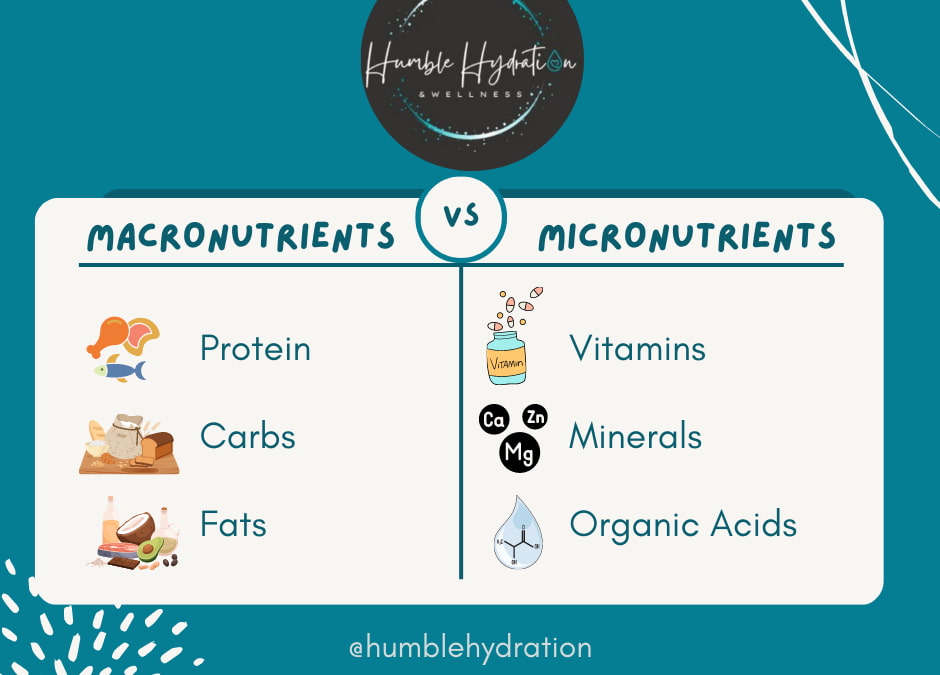
As humans, we often focus on the macronutrients – carbohydrates, proteins, and fats – that provide energy for our bodies. However, micronutrients play a vital role in maintaining our overall health and well-being. In this article, we will delve into the world of micronutrients and macronutrients, exploring what they are, where to find them, and why they are essential for a healthy diet.
What are Micronutrients?
Micronutrients include vitamins (A, B, C, D, E, K), minerals like calcium and phosphorus, and oligoelements such as iron, zinc, and selenium. These substances enhance the nutritional value of foods and can lead to problems if their intake is inadequate. A deficiency in micronutrients can cause serious health issues, especially in developing countries where food choices may be limited.
Where Can You Find Micronutrients?
Micronutrients are found in various foods at different concentrations. Here’s a list of foods rich in micronutrients that you might find useful:
- Leafy green vegetables are high in vitamins and minerals like vitamin C, vitamin A, vitamin K, and magnesium.
- Colorful vegetables like bell peppers, zucchini, carrots, and tomatoes contain micronutrients such as vitamin A, potassium, and vitamin C.
- Legumes are a rich source of fiber, which helps regulate cholesterol levels and improves digestion.
- Whole grain cereals like brown rice, quinoa, and whole wheat provide essential minerals like phosphorus and manganese.
- Nuts are a good source of omega-3 fatty acids and micronutrients such as selenium, boron, and magnesium.
- Fresh fruits like melons, pineapples, apples, pears, and kiwis are rich in vitamin A and vitamin C, along with potassium.
- Berries like strawberries, blueberries, raspberries, blackberries, and cranberries are packed with antioxidants and flavonoids, as well as fiber and potassium.
Essential Micronutrients
Some micronutrients are more crucial than others for a balanced diet. Here’s a list of the top five essential micronutrients:
- Vitamin D: aids in calcium absorption, activates various neuromuscular functions, and reduces inflammation.
- Vitamin E: regulates blood pressure, muscle contraction, and various biological processes.
- Vitamin A: fundamental to numerous bodily processes, including vision, immune function, and reproduction.
Choosing the Right Supplements
If you’re unable to get enough micronutrients from your diet, supplements can be a helpful alternative. You can find essential micronutrients in multivitamin capsules or powders available online. For example, Nutridix offers a vegan multivitamin with 29 essential nutrients, 13 vitamins, and 9 minerals.
Micronutrient-Rich Foods for Optimal Health
Here’s where to find the top micronutrients:
- Vitamin D: found in fatty fish, liver, cheese, butter, and fortified milk products.
- Omega-3 fatty acids: present in various types of fish like salmon, mackerel, sardines, and anchovies.
- Magnesium: abundant in leafy green vegetables, nuts, seeds, whole grains, and dried fruits.
Micronutrients During Pregnancy
During pregnancy, vitamin A is crucial for fetal development, vision, immune function, and reproduction. Aim to consume enough vitamin A-rich foods or supplements.
The Importance of Balance
Both micronutrients and macronutrients are vital for maintaining optimal health. While macronutrients provide energy, micronutrients help regulate various bodily processes. Understanding where to find these nutrients can help you create a balanced diet.
Macronutrients: A Guide
Macronutrients include carbohydrates, proteins, and fats, which serve as our primary source of energy. Here’s an overview of the three main macronutrient groups:
- Carbohydrates (glucides): function as energy sources and are primarily found in grains, legumes, fruits, and vegetables.
- Proteins: composed of amino acids, essential for various bodily functions, including growth, repair, and maintenance. Found in animal products like meat, poultry, fish, eggs, dairy, and legumes.
The Role of Macronutrients
Macronutrients play a crucial role in energy production, growth, and overall health. Understanding the balance between these nutrients can help you achieve optimal health outcomes.
Common Causes of Micronutrient Deficiency
Some common causes of micronutrient deficiency include:
- Poor diet quality
- Inadequate nutrient intake
- Digestive disorders
- Genetic predisposition
- Chronic diseases
Foods That Are High in Micronutrients
Here are some foods that are high in various micronutrients:
- Sweet potatoes: rich in vitamin A and potassium
- Spinach: packed with iron, calcium, and vitamins A and K
- Salmon: a good source of omega-3 fatty acids, selenium, and magnesium
- Almonds: contain selenium, magnesium, and fiber
Common Health Problems Associated with Micronutrient Deficiency
Some common health problems associated with micronutrient deficiency include:
- Weak immune system
- Vision problems
- Reproductive issues
- Cardiovascular disease
- Bone disorders
Nutritional Deficiencies in Different Age Groups
Different age groups have unique nutritional needs. Understanding these differences can help you identify potential deficiencies and take action to address them.
- Infants: require adequate calcium, vitamin D, and iron for bone development and immune function.
- Children: need sufficient protein, carbohydrates, and fat for growth and energy production.
- Pregnant women: should consume enough folic acid, iron, and calcium for fetal development.
- Older adults: may require additional attention to their vitamin D and calcium intake due to reduced absorption.
Micronutrient Deficiency in Children
Children are vulnerable to micronutrient deficiencies due to factors like:
- Poor diet quality
- Limited nutrient intake
- Increased energy expenditure
Common health problems associated with micronutrient deficiency in children include:
- Weak immune system
- Vision problems
- Reproductive issues
- Cardiovascular disease
- Growth retardation
Micronutrients and Chronic Diseases
Some chronic diseases are more likely to occur in individuals with micronutrient deficiencies. These conditions include:
- Heart disease
- Diabetes
- Cancer
- Neurological disorders
Conclusion
In conclusion, understanding micronutrients and macronutrients is vital for a healthy lifestyle. By incorporating foods rich in these nutrients into your diet, you can ensure optimal energy production, growth, repair, and maintenance of bodily functions.
Frequently Asked Questions (FAQs)
- What are the most essential micronutrients I should consume?
Vitamin D, Omega-3 fatty acids, Vitamin A, Magnesium, and other vital nutrients. - How can I get enough vitamin D in my diet?
Eat foods rich in vitamin D like fatty fish, liver, cheese, butter, or consider supplements. - What are some common sources of fiber in food?
Legumes, whole grain cereals, fruits, vegetables, and nuts. - Can I get all the necessary micronutrients from a multivitamin supplement?
Multivitamins can provide essential nutrients but should be taken under medical supervision to avoid excessive intake or deficiencies. - What is the best way to incorporate omega-3 fatty acids into my diet?
Eat fish, seafood, and other foods rich in omega-3s or consider supplements after consulting a healthcare professional.
By understanding micronutrients and macronutrients, you can make informed choices about your diet and ensure optimal health outcomes.



