
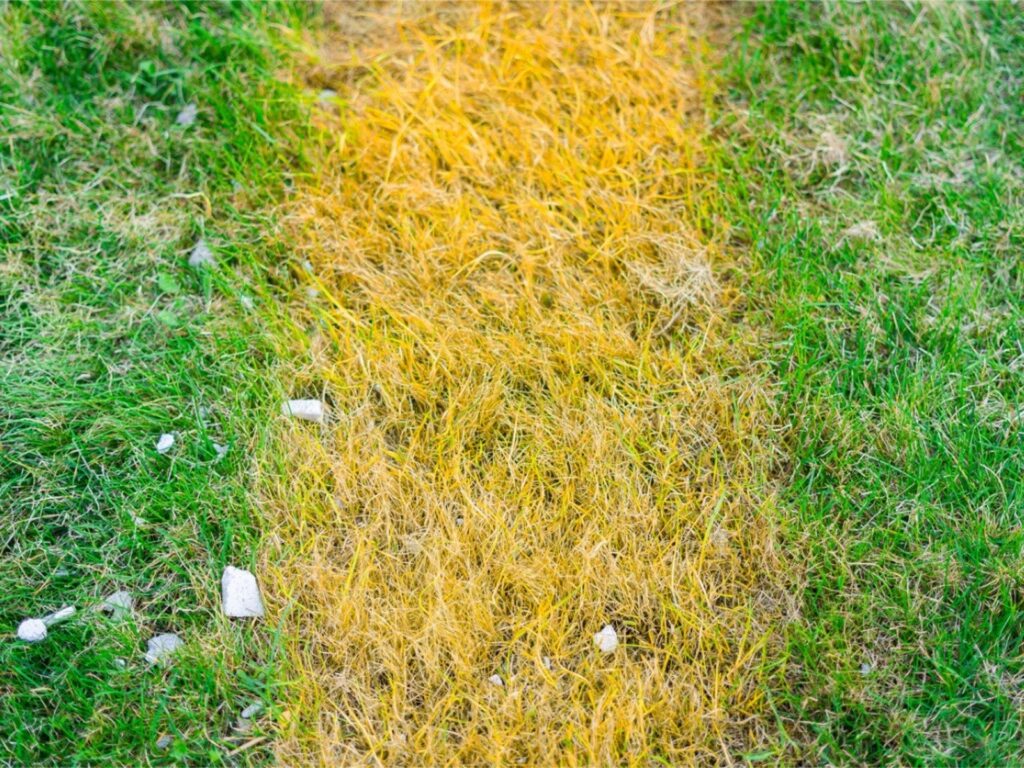
Lawn yellowing is a common problem that can occur in both summer and winter. While it’s often caused by parasites, poor lawn maintenance or damage from temperature fluctuations can also lead to this issue. In this article, we’ll delve into the causes of lawn yellowing, how to address them, and provide tips for maintaining a healthy and vibrant lawn.
What Causes Lawn Yellowing?
The causes of lawn yellowing can be diverse, but most cases are not related to pests. Instead, they’re often due to neglectful lawn care practices or environmental factors such as excessive cold temperatures, frost, or improper watering. Some common causes of lawn yellowing include:
- Overwatering: Too much water can cause the roots of the grass to rot, leading to a yellowish hue.
- Underwatering: Conversely, too little water can also cause stress to the grass, resulting in yellowing.
- Soil Compaction: Heavy foot traffic or equipment can compact the soil, preventing air and water from reaching the roots of the grass.
- Temperature Fluctuations: Extreme temperatures can damage the blades of grass, leading to yellowing.
Lawn Yellowing in Winter: What to Do
During the winter months, yellowing grass is usually caused by cold temperatures. In areas with heavy frosts and snow cover, it’s best to avoid walking on the lawn, as this can damage the blades of grass. Regularly cleaning up debris like leaves and twigs can also help prevent problems.
In addition to reducing foot traffic, winter raking, which involves using a rake to aerate the soil, is another essential step in maintaining your lawn during this season. By doing so, you’ll be able to loosen compacted soil and improve drainage, making it easier for the grass to recover from harsh weather conditions.
Lawn Yellowing in Summer: What to Do
In contrast, summer yellowing can occur due to extreme drought or overwatering. When the soil is too dry, water stress can cause the grass to turn yellow. Conversely, excessive moisture can also lead to problems as it promotes fungal growth and root rot.
To avoid these issues, proper lawn care practices are crucial during the summer months. Regular mowing, watering, and fertilizing can help promote healthy growth. If your lawn is still under water stress, consider implementing a deep-rooted irrigation system that delivers water directly into the soil rather than just on the surface.
Pozzanghere: How to Prevent Lawn Damage
If heavy rainfall causes standing water on your lawn, be aware that this can lead to issues with yellowing grass. In areas where the soil is prone to pooling, it’s essential to address these problems promptly. Adding a layer of sand or organic matter to improve drainage can help mitigate these risks.
Lawn Yellowing: When to Take Action
If your lawn is consistently showing signs of stress, such as dryness, discoloration, or damage from extreme weather conditions, take immediate action to address the problem. Proper lawn care practices, including mowing, watering, and fertilizing, can help promote healthy growth.
By understanding the causes of yellowing grass and taking proactive steps, you can maintain a lush, vibrant lawn that looks its best throughout the year.
Frequently Asked Questions
- What’s the most common reason for yellowing lawns?
The majority of cases involve neglectful lawn care practices or environmental factors such as excessive cold temperatures, frost, or improper watering. - How do I prevent my lawn from turning yellow in winter?
Regular cleaning up debris like leaves and twigs can help reduce damage to the blades of grass, while regular raking can improve drainage and promote healthy growth. - What’s the best way to address lawn yellowing caused by drought or overwatering?
Proper lawn care practices are crucial during the summer months. Regular mowing, watering, and fertilizing can help promote healthy growth, while implementing a deep-rooted irrigation system can improve water delivery and reduce evaporation. - Can I still recover from severe lawn damage due to yellowing grass?
Yes, with proper lawn care practices and timely intervention, you can still recover from severe lawn damage caused by yellowing grass. Regular mowing, watering, and fertilizing can help promote healthy growth, while implementing a deep-rooted irrigation system can improve water delivery and reduce evaporation. - How often should I reseed my lawn after addressing yellowing?
After addressing yellowing grass due to drought or overwatering, it’s recommended to reseed your lawn immediately. By doing so, you’ll be able to replenish the existing soil with new seeds that are well-suited for your specific climate and conditions. - Can I still address lawn yellowing caused by pests without pesticides?
Yes, there are several organic methods available for addressing pest-related yellowing grass. Regular mowing, watering, and fertilizing can help promote healthy growth while introducing beneficial insects or microorganisms to the soil can improve overall ecosystem balance. - What’s the best way to prevent lawn damage from excessive rain?
To prevent lawn damage from standing water on your lawn due to heavy rainfall, consider adding a layer of sand or organic matter to improve drainage, reducing the likelihood of pooling water and subsequent problems like root rot. - How can I identify if my lawn is at risk for yellowing grass?
Look out for signs such as dryness, discoloration, damage from extreme weather conditions, or an uneven growth pattern. If you notice any of these issues, take immediate action to address the problem and promote healthy growth in your lawn.
By understanding the causes of yellowing grass and taking proactive steps, you can maintain a lush, vibrant lawn that looks its best throughout the year.


