
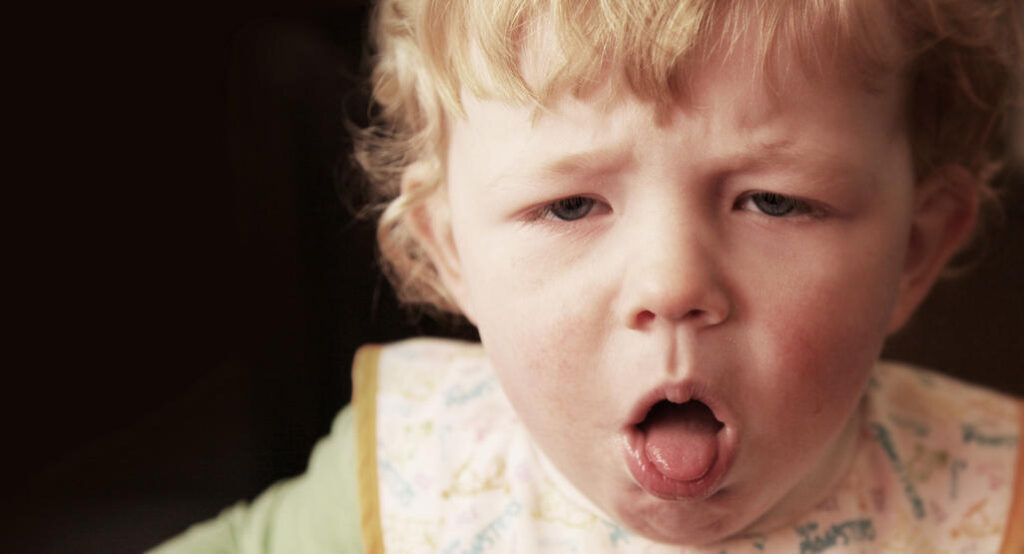
Coughing in Children: When to Worry
As a parent, it’s natural to worry when your child coughs, especially if it persists or is accompanied by other symptoms. But how do you know when to consult the doctor and what are the signs of a more serious condition? In this article, we’ll explore when to worry about coughing in children and provide guidance on when to seek medical attention.
What is Coughing in Children?
Coughing is a common symptom in children, especially during cold and flu season. It’s an innocent sign that helps the body clear the airways of irritants and excess mucus. However, some coughs can be more concerning than others, and it’s essential to know when to seek medical attention.
When to Worry About Coughing in Children
According to the Pediatric Association, there are certain situations where you should consult a doctor:
- Only at night (night cough): If your child only coughs at night, it may indicate bronchitis involvement.
- During the day or daytime: If your child only coughs during the day, it’s likely due to irritation in the first airways like the throat, larynx, and trachea.
- At night and day (mixed schedule): This type of cough requires more attention and may be a sign of a more serious condition.
- Dry cough or no mucus: If your child’s dry cough persists beyond three or four days, it’s best to consult the doctor.
- Coughing catarrhal or thick cough: A thick cough with secretion production is common in children and usually resolves on its own.
Types of Coughs in Children
There are several types of coughs that can be concerning:
- Barking or cavernous cough: This type of cough sounds like a dog barking or a seal. It may indicate breathing problems and worsen at night.
- Coughing accessory or pertussis: This type of cough is characterized by frequent separate episodes with intervals. While there are vaccines against pertussis, cases still occur.
When to Contact the Doctor
In addition to the situations mentioned earlier, consider consulting the doctor if:
- Your child has fever for more than three days.
- Your child is pale with sunken eyes and coughs with a particularly gruff tone.
- The persistent cough lasts two weeks.
- Your child inhales a foreign object.
Coughing in Neonates: When to Contact the Doctor
For very young babies, it’s essential to consult the pediatrician immediately. In newborns, cough is not a common symptom, and respiratory infections are rare. If your newborn coughs for a few drops of milk or with the start of salivation (typically around 2-3 months), it’s a normal phenomenon but also rare coughs can occur.
Natural Remedies for Children
While natural remedies can’t replace medical attention, they can help alleviate symptoms and support immune function:
- Stomach pain in children: Natural remedies like ginger and chamomile tea can soothe the stomach.
- Cough with fever: Coughing with fever in children can be managed with natural remedies like honey and lemon.
Common Causes of Coughs in Children
There are several common causes of coughs in children:
- Respiratory infections: Common viral or bacterial infections that cause coughing.
- Allergies: Seasonal allergies, dust mites, or pet allergies can trigger coughing.
- Environmental factors: Exposure to smoke, pollution, or strong odors can irritate the airways and cause coughing.
Understanding Coughs in Children: Causes and Symptoms
Coughs in children can be caused by various factors, including:
- Acute bronchiolitis: A viral infection that causes inflammation of the small airways.
- Bronchitis: An infection of the bronchial tubes that cause coughing.
- Pertussis (whooping cough): A highly contagious bacterial infection that causes severe coughing.
When to Seek Immediate Medical Attention for Coughs in Children
In some cases, it’s essential to seek immediate medical attention if your child experiences:
- Difficulty breathing: If your child has trouble breathing or shows signs of distress.
- Vomiting blood: If your child vomits blood or shows signs of hematemesis.
- Severe chest pain: If your child experiences severe chest pain or discomfort.
Managing Coughs in Children: Home Remedies and Medications
While home remedies can help alleviate symptoms, there are certain medications that may be prescribed by a doctor to manage coughs in children:
- Antibiotics: May be prescribed for bacterial infections.
- Cough suppressants: Can help relieve coughing, but should only be used under the guidance of a doctor.
- Expectorants: Can help thin and loosen mucus, making it easier to expel.
When to Seek Medical Attention if Your Child’s Cough Persists
If your child’s cough persists beyond two weeks, or if it’s accompanied by other concerning symptoms such as fever, pale skin, and sunken eyes, seek medical attention immediately. It’s always better to err on the side of caution when it comes to your child’s health.
Conclusion
Coughing in children is a common symptom, but some coughs can be more concerning than others. By knowing when to worry and what to look out for, you can help your child feel better sooner. Remember to consult the doctor if you’re concerned about your child’s cough or if it persists beyond two weeks.
Frequently Asked Questions
- What is a dry cough in children? A dry cough in children is a cough without mucus production.
- When should I take my child to the doctor for a cough? Consult the doctor if your child’s cough persists beyond three or four days, or if it’s accompanied by fever, pale skin, and sunken eyes.
- Can I give my child over-the-counter medication for a cough? Always consult the doctor before giving your child any medication, especially if they have a history of allergies or medical conditions.
- What are some natural remedies for children with coughs? Natural remedies like ginger, chamomile tea, honey, and lemon can help alleviate symptoms and support immune function.
- Can I use homeopathic treatments for my child’s cough? Consult the doctor before using homeopathic treatments, especially if your child has a medical condition or is taking medication.
- How often should I take my child to the doctor for a check-up? Schedule regular check-ups with your pediatrician to monitor your child’s health and catch any potential issues early.


