
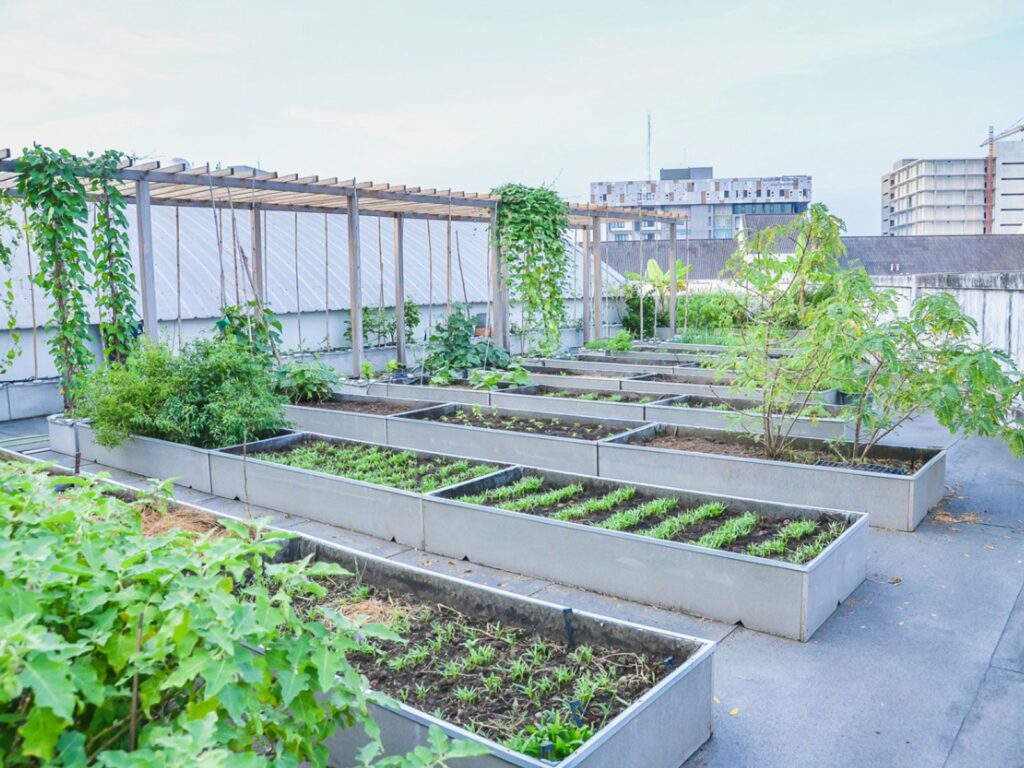
As an urban dweller, you may not have the luxury of a large garden to call your own. However, that doesn’t mean you can’t grow your own food or enjoy the benefits of gardening. One option is to create a balcony garden, which can be just as rewarding and delicious as a traditional garden.
Assessing Your Balcony’s Capabilities
Before you start planning your balcony garden, it’s essential to assess its capabilities. Consider the weight that your balcony can support, including the soil, plants, and other materials you’ll need to carry out. This will help you determine how many pots you can use and what type of containers are best for your space.
When assessing your balcony’s capabilities, also consider the following factors:
- Weight limits: Make sure your balcony can support the weight of the soil, plants, and containers.
- Sunlight and shade: Consider the amount of sunlight and shade your balcony receives throughout the day. This will help you choose plants that are suitable for those conditions.
- Wind direction: If your balcony is exposed to strong winds, consider using windbreaks or other protective measures to prevent damage to your plants.
Choosing the Right Containers
When selecting containers for your balcony garden, choose those that are lightweight and easy to move around. Plastic or bioplastic pots are excellent options, as they’re both durable and resistant to extreme temperatures. Avoid using terracotta pots, which can be heavy and may cause structural issues if not properly supported.
Consider the following factors when choosing containers:
- Material: Choose materials that are resistant to extreme temperatures and can withstand moisture.
- Size: Select containers that are proportional to the size of your plants.
- Drainage: Make sure each container has a well-draining bottom to prevent waterlogged soil.
Watering and Irrigation
Proper watering is crucial for a healthy balcony garden. However, it’s also essential to avoid overwatering, which can lead to root rot and other problems.
Consider the following options for watering and irrigation:
- Drip irrigation: This method delivers water directly to the roots of the plants, reducing evaporation and runoff.
- Timers: Use timers to ensure your plants receive the right amount of water at the right time.
- Rainwater harvesting: Collect rainwater in a barrel or cistern to use for watering your plants.
Drainage and Erosion Prevention
Another critical aspect of balcony gardening is drainage and erosion prevention. Make sure that each pot has a well-draining bottom, and consider adding a layer of small rocks or pebbles to prevent soil from washing away.
Consider the following options for drainage and erosion prevention:
- Drainage layers: Add a layer of small rocks or pebbles to the bottom of each container.
- Decorative stones or gravel: Use decorative stones or gravel to create a visually appealing border around your pots.
- Erosion control measures: Consider using erosion control measures such as geotextiles or erosion blankets to prevent soil from washing away.
Selecting the Right Plants
With proper planning and care, you can grow a wide variety of plants on your balcony. Consider factors such as climate, sunlight, and soil quality when selecting which plants to grow.
Some popular options for balcony gardens include:
- Leafy greens: Lettuce, kale, spinach, and other leafy greens are great choices for balcony gardens.
- Herbs: Herbs like basil, mint, and cilantro are easy to grow in containers and can add fresh flavor to your cooking.
- Vegetables: Cherry tomatoes, peppers, and cucumbers are popular choices for balcony gardens.
Tips for Success
To ensure the success of your balcony garden, keep the following tips in mind:
- Choose compact or dwarf varieties: These types of plants are specifically bred for container gardening and can thrive in small spaces.
- Use a balanced fertilizer: A balanced fertilizer will promote healthy plant growth and prevent nutrient deficiencies.
- Monitor your plants regularly: Keep an eye out for signs of pests, disease, and nutrient deficiencies to catch them early and take action.
- Enjoy the benefits of fresh air and exercise: Tending to your balcony garden can be a great way to get some fresh air and exercise while enjoying the fruits of your labor.
Common Questions and Answers
Here are some frequently asked questions about growing a garden on your balcony:
Q: How do I choose the right plants for my balcony?
A: Consider factors such as climate, sunlight, and soil quality when selecting which plants to grow. Look for compact or dwarf varieties that are specifically bred for container gardening.
Q: What’s the best way to water my balcony garden?
A: Use a balanced fertilizer and consider installing an irrigation system with drip irrigation or a timer to ensure your plants receive the right amount of water at the right time.
Q: How do I prevent erosion and drainage issues in my balcony garden?
A: Make sure each pot has a well-draining bottom, and consider adding a layer of small rocks or pebbles to prevent soil from washing away. You can also use decorative stones or gravel to create a visually appealing border around your pots.
Q: Can I grow all types of plants on my balcony?
A: While many plants can thrive in containers, some may not be well-suited for balcony gardens due to factors such as extreme temperatures, humidity, or lack of sunlight. Research the specific needs of each plant before adding it to your garden.
Q: How often should I water and fertilize my balcony garden?
A: Monitor your plants regularly to catch any signs of pests or disease. Use a balanced fertilizer to promote healthy plant growth, and adjust watering schedules according to weather conditions.
By following these tips and guidelines, you can create a thriving balcony garden that provides fresh produce and enjoyment for years to come. Happy gardening!


