
Mulching is a practice that involves covering the soil with a layer of material to prevent weeds from growing, keep the soil moist, protect it from erosion, and prevent the formation of a hard crust on the surface. This multi-faceted technique has numerous benefits for gardening and agriculture.
What are the Benefits of Mulching?
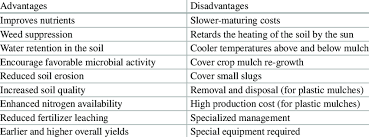
There are several advantages of using mulch in your garden or farm. Here are some of the most significant benefits:
- Time and Energy Savings: Mulching saves time and energy by preventing weeds from growing, which means less time spent on weeding and pruning.
- Water Conservation: Mulching helps to retain moisture in the soil, reducing the need for frequent watering.
- Improved Soil Structure: Mulching protects the soil from erosion and compaction, improving its overall structure and fertility.
- Early Plant Growth: Mulching creates a warm and humid environment that promotes early plant growth.
- Thermal Protection: Some mulch materials have thermal insulation properties, keeping the soil warmer in winter and cooler in summer.
What Types of Crops Can Be Mulched?
Many types of crops can be mulched, including:
- Leafy Greens (such as lettuce and spinach): These plants thrive in well-draining soils and can benefit from mulching to retain moisture and suppress weeds.
- Root Vegetables (such as carrots and beets): Mulching helps to prevent soil compaction and retains moisture, promoting healthy root growth.
- Fruiting Plants (such as strawberries and blueberries): These plants appreciate a well-mulched environment, which helps to regulate soil temperature and retain moisture.
- Herbs (such as basil and rosemary): Mulching can help to suppress weeds and retain moisture, making it easier for herbs to grow.
What Materials Can Be Used for Mulching?
The choice of mulch material depends on the specific needs of your crop, climate, and soil type. Some popular options include:
- Burlap: A durable and breathable fabric made from jute or cotton.
- Paper Products (such as newspaper and cardboard): These materials can be used to suppress weeds and retain moisture.
- Organic Matter (such as wood chips, straw, and compost): These materials add nutrients to the soil while controlling weeds.
Sustainable Mulching Practices
Mulching is an environmentally friendly practice that reduces waste and minimizes the need for synthetic fertilizers. However, it’s essential to choose organic materials and avoid using invasive species that could harm local ecosystems.
- Use Local Materials: Choose mulch materials that are readily available in your area, reducing transportation emissions and supporting local economies.
- Avoid Invasive Species: Some mulch materials can become invasive species, causing ecological harm. Avoid using these materials to prevent unintended consequences.
- Compost: Consider composting your organic waste to create a nutrient-rich mulch material.
Common Misconceptions About Mulching
- Myth: Mulching prevents weeds from growing entirely.
- Reality: While mulching can reduce weed growth, it may not eliminate them completely.
- Myth: All mulch materials are created equal.
- Reality: Different materials have varying levels of effectiveness and sustainability.
Conclusion
Mulching is a simple yet powerful technique that offers numerous benefits for gardening and agriculture. By choosing the right materials and practicing sustainable mulching, you can create a healthier, more productive soil ecosystem while reducing your environmental footprint.
Frequently Asked Questions
- Q: What are some common mistakes people make when mulching?
- A: Avoid using invasive species, and choose organic materials that break down quickly.
- Q: Can I use plastic bags as a mulch?
- A: No, plastic bags can take hundreds of years to decompose and harm the environment.
- Q: How often should I apply new mulch layers?
- A: Replenish your mulch layer every year or two to maintain its effectiveness.
- Q: Can I use mulching for container gardening?
- A: Yes, but choose a material that is well-draining and won’t retain too much moisture.
- Q: What are some alternative materials to traditional mulch?
- A: Consider using compost, straw, or other organic materials as a more sustainable option.
By understanding the benefits and best practices of mulching, you can create a thriving garden ecosystem that promotes healthy soil, biodiversity, and sustainability.


