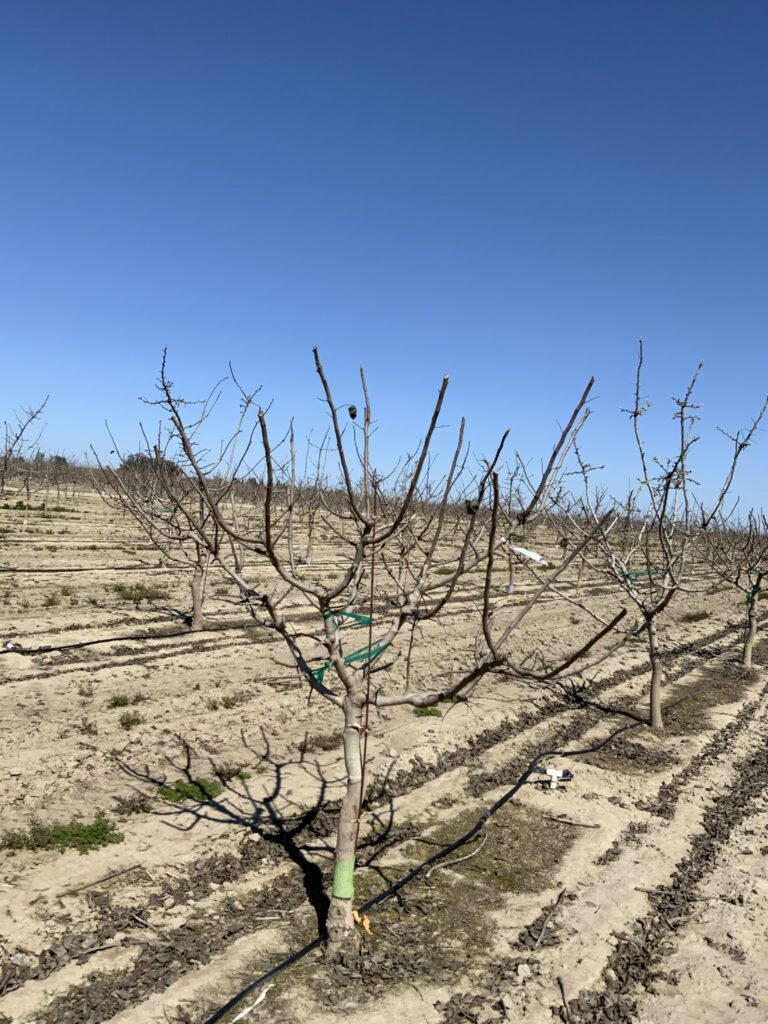
As the oldest known tree species, pistachios have been a prized commodity for thousands of years. From ancient Assyrian and Greek civilizations to modern-day nut enthusiasts, pistachios have consistently proven their value as a sought-after snack. But what makes these trees so special, and how can you optimize your pruning strategy to get the most out of your pistachio harvest?
Understanding Pistachio Biology
Before diving into pruning techniques, it’s essential to grasp the unique characteristics of the pistachio tree. As a dioecious species, pistachios have separate male and female trees. This means that male trees produce pollen, while female trees contain the reproductive organs necessary for fruit development. With a lifespan exceeding 300 years, pistachio trees are incredibly long-lived – so much so that they can outlive their own canopy.
Tree Structure and Growth Patterns
Pistachio trees typically reach an average height of 4-5 meters, but can grow up to 8 meters tall in ideal conditions. Their leaves are a striking feature, consisting of three to five ovate leaflets with rounded tips. Young leaves are initially covered in fine hair (tomentose), while mature leaves become smooth and glossy.
Fruit Production: The Key to Pruning
Pistachio trees produce fruit on two-year-old wood, which means that pruning techniques must be carefully planned to optimize yield. Fruit production is influenced by the tree’s age, with the most productive years occurring every other year (known as the “alternation of production”). To achieve optimal yields, it’s crucial to prune your pistachio tree at the right time.
Pruning Techniques: A Step-by-Step Guide
So, when should you prune your pistachio tree? The answer lies in understanding its growth patterns. In the fall and winter, prune any dead or damaged branches to promote healthy growth and prevent disease. During the spring and summer, focus on shaping the canopy and encouraging new growth.
- Cimatura: At planting time (cimatura), gently prune the tree to stimulate the development of main branches.
- Taglio dei rametti laterali: In the autumn and winter, remove lateral branches to encourage the growth of 3-4 new shoots in the upper part of the stem.
- Germogli: Regularly prune young shoots that emerge during the summer and autumn to maintain a balanced canopy.
Optimizing Yield: Tips and Tricks
To maximize your pistachio harvest, keep the following tips in mind:
- Prune only healthy branches – dead or damaged wood can lead to disease and reduced yields.
- Remove any weak or spindly growth to promote a balanced canopy.
- Avoid over-pruning, as this can stress the tree and reduce fruit production.
The Importance of Alternation of Production
To achieve consistent yields, it’s essential to understand the alternation of production phenomenon. Pistachio trees naturally produce fruit every other year, with the most productive years occurring after a period of dormancy (known as “annata di scarico”). By removing all fruit-bearing branches during the growing season, you’ll encourage your tree to put energy into producing next year’s crop.
Pruning for Pollination and Fruit Set
To ensure optimal pollination and fruit set, it’s crucial to prune your pistachio tree at the right time. Prune male trees lightly in the early spring, just before budbreak, to stimulate new growth and encourage flowering. For female trees, prune any weak or spindly branches during the growing season to promote a balanced canopy.
Disease Prevention and Management
Pistachio trees are susceptible to various diseases, including powdery mildew, brown rot, and scab. Regular pruning can help prevent disease by removing infected branches and promoting air circulation around the tree. Use integrated pest management techniques, such as introducing beneficial insects or applying targeted fungicides, to manage pests and diseases.
Soil Care and Nutrient Management
Pistachio trees require well-draining soil with a pH between 6.0 and 7.0. Regular fertilization can help promote healthy growth and fruit production. Use balanced fertilizers during the growing season and follow specific instructions for organic or integrated pest management approaches.
Harvesting Pistachios: Timing and Techniques
Pistachio nuts typically fall to the ground in late winter, around February or March, depending on your location. Regular harvesting can help promote new growth and ensure optimal yields. Use specialized equipment, such as a mechanical harvester or manual rakes, to efficiently collect pistachios.
Pruning for Tree Health and Longevity
Regular pruning is essential for maintaining tree health and longevity. Prune any dead, diseased, or damaged branches to prevent disease spread and promote healthy growth. Remove weak or spindly branches to maintain a balanced canopy and encourage new shoots.
Pistachio Pruning Challenges and Solutions
When working with pistachio trees, common challenges may arise, such as:
- Fruit damage: Use protective covers or gentle pruning techniques to prevent damage to fruit.
- Tree size: Regular pruning can help control tree size and promote a balanced canopy.
- Pest management: Introduce beneficial insects or use targeted fungicides to manage pests and diseases.
Pistachio Pruning for Dwarf Varieties
Dwarf pistachio varieties, such as ‘Desert Gold’ or ‘California’, require regular pruning to maintain their shape and size. Use specialized pruning techniques, such as pinching or topping, to control branching and promote fruiting.
Pruning for Pollinator Health
Pistachio trees rely on pollinators, like bees, to transfer pollen between flowers. Prune male trees lightly in the early spring to encourage flowering and promote pollination.
Conclusion: Mastering Pistachio Pruning for Maximum Yield
With the right pruning techniques and understanding of pistachio biology, you can unlock the full potential of your tree. Whether you’re a seasoned gardener or just starting out, mastering the art of pistachio pruning will help you maximize your yield and enjoy the fruits of your labor.
Frequently Asked Questions (FAQs)
- When should I prune my pistachio tree?
The best time to prune depends on the age of your tree: in the fall and winter for mature trees, and during the growing season for young trees. - How often should I harvest my pistachios?
Harvest every two years for optimal yields, with a focus on producing high-quality nuts. - Can I prune all branches during the spring?
No – pruning only healthy branches is essential to prevent disease and reduce stress on the tree. - Will over-pruning affect my pistachio production?
Yes – excessive pruning can lead to reduced fruit production, so aim for a balanced canopy. -
Can I use chemical fertilizers or pesticides on my pistachio tree?
No – organic methods are recommended to maintain the health and integrity of your tree. -
What is the best way to store pistachios?
Store pistachios in an airtight container at room temperature to preserve freshness. -
Can I grow pistachios in containers?
Yes, but ensure the container is large enough to accommodate the mature canopy of your tree. -
How do I propagate pistachio trees from seed?
Pistachio seeds can be propagated, but the process requires careful attention to detail and a commitment to patience – as it may take several years for the resulting sapling to mature. -
Can I grow multiple varieties of pistachios together?
Yes, but ensure all trees are compatible in terms of growth habits, maturity dates, and pest resistance. -
Are there any specific concerns or risks associated with growing pistachio trees?
Risks include drought, disease, pests, and the potential for tree failure due to improper pruning or care.