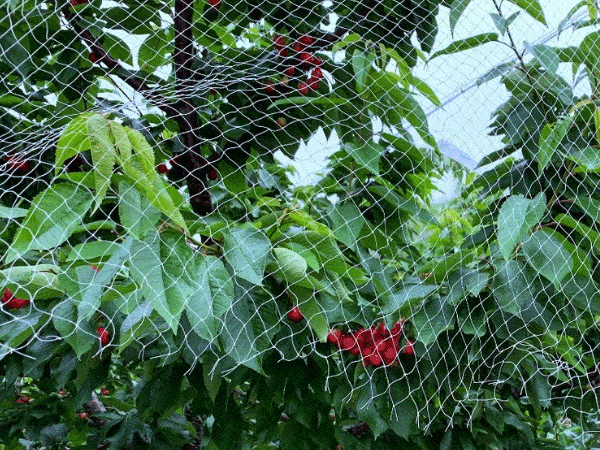
When it comes to cherries and birds, two beautiful spectacles of nature taken separately, the problem arises when birds start pecking at our fruits, damaging the entire harvest. In this article, we’ll explore ways to protect your cherry trees from birds, providing you with a comprehensive guide on how to safeguard your investment.
Understanding Bird Behavior
Before we dive into the various methods of protecting cherries from birds, it’s essential to understand why they’re attracted to these fruits in the first place. Birds often target cherry trees because they provide a rich source of nutrition, especially during periods when other food sources are scarce. Additionally, the sweet and juicy nature of cherries makes them an irresistible treat for many bird species.
Timing is Everything: When Cherries are in Bloom
Between late March and April, depending on your geographical location, cherries are in full bloom. Unfortunately, it’s during this time that birds have a field day, targeting the ripening fruits as their primary source of nutrition. Cherry varieties that mature early tend to be the most vulnerable to bird damage.
Why Cherries are a Bird’s Delight
Cherries represent an attractive snack for birds, who often lack other food sources in the surrounding areas. Even if birds don’t find alternative food options nearby, they may still target cherry trees with later-ripening varieties. This is because cherries provide a concentrated source of energy and nutrients that can help sustain them through the winter months.
Effective Defenses Against Birds
So, how can you protect your cherries from those pesky birds? Here are some effective strategies to consider:
1. Using Visual Deterrents
In the past, many gardeners have relied on using colorful and reflective cards or screens to deter birds from their cherry trees. However, these methods haven’t proven particularly effective in our experience. After an initial hesitation, birds tend to return to the tree and continue snacking on the cherries.
Recommended Alternative: Netting
The most reliable way to protect your cherry trees from birds is by installing a sturdy net around the plants, especially at ground level. Make sure to cover all areas where birds might land or access the fruit. If you already have a trellis system in place, consider attaching bird-repellent netting along its entire perimeter.
2. Using Bird-Repellent Netting
If you’re looking for an added layer of protection against mosquitoes and other pests as well, consider using mosquito-repellent or insecticidal netting. This dual-purpose solution can provide peace of mind for both cherry growers and those trying to keep bugs at bay.
3. Managing Cherry Varieties**
While it’s impossible to eliminate the risk of bird damage entirely, you can take steps to minimize its impact by choosing less attractive varieties for birds or selecting tree types that are naturally more resistant to avian feeding.
Cherry Trees with a Broken Skin
Now let’s talk about those cherries with broken skin. Unfortunately, this issue isn’t exclusive to cherry trees and is often caused by heavy rainfall during the ripening stage. The pressure on the fruit causes it to split open, which can lead to fungal infections and spoilage.
Tips for Harvesting Cherries
To enjoy your cherries at their best, follow these simple tips:
- Pick them early: Choose cherries in the morning when they’re ripe but still firm.
- Use breathable containers: Store your cherries in woven baskets or paper bags to keep them fresh and avoid moisture buildup.
4. Preserving Cherries for Longer
To maximize the shelf life of your cherries, use a few simple preservation techniques:
- Air drying: Cherry halves can be air-dried on paper bags with holes to preserve their texture.
- Canning or freezing: These methods will help you enjoy your favorite fruit all year round.
5. Protecting Your Harvest from Rainfall
Rainy weather can lead to damage of your cherry fruits. Use some sort of cover for the tree and ensure that water does not pool around it, by installing a proper drainage system and removing any debris nearby.
Conclusion
Protecting your cherries from birds requires careful planning and attention to detail. By choosing effective defenses, managing your cherry varieties, and taking care of your trees during different stages, you can enjoy the rewards of growing delicious cherries while minimizing losses due to bird damage.
Frequently Asked Questions (FAQs)
- Q: Why do some cherry varieties tend to be more attractive to birds?
A: Cherry trees that produce fruit early in the season are often more appealing to birds because they have fewer alternatives for finding food. - Q: What is the best way to prevent birds from accessing my cherry tree?
A: Installing a sturdy net around the tree and covering all areas where birds might land or access the fruit will be the most effective method of protection. - Q: Can I use bird-repellent balloons or tape to keep birds away from my cherry trees?
A: While these methods may seem like they could work, they’re not reliable deterrents against determined birds. Better results can be achieved with netting. - Q: How long do cherries typically last when stored in breathable containers and kept cool?
A: With proper care, you can enjoy your cherries for several days to a week after harvesting them. - Q: Why are some cherry trees more prone to skin damage than others?
A: Heavy rainfall during the ripening stage is often responsible for causing fruit splits. Choose tree varieties that are naturally resistant to such issues if possible. - Q: What are some effective ways of preserving cherries so they can be enjoyed throughout the year?
A: There are several methods available, including air drying, canning, and freezing your cherries. - Q: Can I protect my cherry trees from damage by providing them with a better drainage system?
A: Yes, installing an efficient drainage system will help prevent water accumulation around the tree which may cause damage to it.