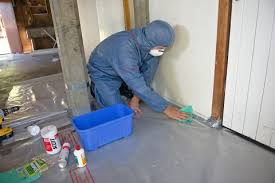
Asbestos removal is a crucial process that requires careful planning, specialized equipment, and expertise. Not only does it pose significant health risks to individuals and communities, but it also has legal implications in many countries.
In Italy, the law (Law No. 257 of 1992) has banned all products containing asbestos, prohibiting their extraction, importation, sale, and production. The same law regulates the demolition process and mandates specific guidelines for controlling businesses involved in working, maintaining, cleaning, and disposing of asbestos.
Why Demolishing Asbestos Matters
Asbestos removal is a critical step in ensuring public health and safety. Exposure to asbestos can cause serious diseases like mesothelioma pleurico, a type of cancer with high mortality rates. Mesothelioma affects the lining around the lungs, abdomen, or heart, causing severe pain and discomfort.
To minimize the risks associated with asbestos, it’s essential to follow proper procedures when demolishing buildings containing this hazardous material. The consequences of not doing so can be devastating for individuals, families, and entire communities.
Types of Asbestos-Containing Materials
Asbestos-containing materials (ACMs) can be categorized into two main groups:
a. Friable: These are easily damaged by simple pressure and can be safely removed without specialized equipment. Friable asbestos is often found in older buildings and can be a significant health risk if not handled properly.
b. Compact: These are harder to damage but require mechanical tools for removal. Compact asbestos is commonly found in newer buildings, such as those constructed after the 1980s.
Assessing ACMs
To determine the type of asbestos-containing material (ACM) in a building, a visual inspection is often performed. This examination helps identify potential risks and assesses the need for further testing or containment procedures. The inspector will look for signs of damage, such as cracks or tears, that can affect the integrity of the ACM.
Classification and Bonification Options
Based on the assessment results, ACMs can be classified into three categories:
-
Integrals Non-Damaging: These materials do not require removal but must undergo regular monitoring and maintenance to prevent damage. Integrals non-damaging asbestos-containing materials are often found in newer buildings and are subject to strict regulations.
-
Integrals Damaging: These materials are susceptible to damage and may necessitate a bonification plan with potential future cleaning or replacement. Integrals damaging asbestos-containing materials require specialized equipment and expertise for removal.
-
Damaged Materials: These materials have been damaged and require specific restoration procedures. Damaged asbestos-containing materials can pose significant health risks if not handled properly.
Removal Methods
There are three primary methods for removing asbestos:
-
Demolition: This involves physically tearing down the building or structure containing the ACM. Demolition is often used for large-scale projects and requires specialized equipment and expertise.
-
Incapsulation: This method involves encapsulating the ACM in a special material that prevents it from becoming airborne. Incapsulation is often used for smaller-scale projects and can be an effective solution for containing asbestos risks.
-
Confinement: This method involves sealing off the area containing the ACM to prevent exposure to airborne fibers. Confinement is often used for short-term projects and requires specialized equipment and expertise.
Pre-Removal Measures
Before initiating the removal process, it’s necessary to follow strict safety protocols, including installing protective barriers and ensuring adequate ventilation. This helps minimize the risks associated with asbestos exposure and ensures a safe working environment for all involved parties.
Post-Removal Procedures
After completion of the removal process, a thorough inspection is required by local authorities to ensure compliance with regulations. This involves monitoring air quality and verifying that asbestos concentrations are below permissible levels.
Who Bears the Costs?
For condominiums, the costs associated with removing asbestos are typically borne by the building’s owners in proportion to their property holdings. Condominium owners may also be responsible for paying fines or penalties if they fail to comply with regulations.
Timeline for Asbestos Removal
The European Parliament has set a deadline of 2028 for completing asbestos removal from buildings. Key initiatives include:
-
Establishing a Public Registry of Buildings Containing Asbestos: This will help identify and track asbestos-containing materials in buildings across Europe.
-
Ensuring Adequate Equipment and Training for Inspectors: This is crucial for ensuring that inspectors are equipped to handle asbestos safely and effectively.
-
Defining a Timeline for Removal Operations: A clear timeline for removal operations will help ensure that projects are completed efficiently and effectively.
-
Supporting Victims’ Associations: The European Parliament has also committed to supporting victims’ associations and providing resources for individuals affected by asbestos-related diseases.
Common Places to Find Asbestos
Asbestos was widely used in construction before the 1980s, making it commonly found in various structures:
-
Linoleum Flooring: Linoleum flooring was often coated with asbestos-containing materials, making it a common place to find asbestos.
-
Coating of Water Heaters and Boilers: Asbestos-containing coatings were used on water heaters and boilers, posing significant health risks if not handled properly.
-
Cement-Based Coverings: Cement-based coverings were often mixed with asbestos fibers, making them a common place to find asbestos.
-
Insulation Materials: Insulation materials containing asbestos were widely used in construction before the 1980s, making it a common place to find asbestos.
Demolishing Asbestos from Small Items
In many Italian municipalities, small asbestos-containing items can be dropped off for free collection and disposal by local authorities or specialized companies. Examples include household items such as flower arrangements, wall panels, and small decorative pieces.
At Milano’s Amsa, for instance, a free service is available for these types of items, provided they meet specific criteria:
- Weight: No more than 450 kilograms
- Frequency: No more than one per year
- Location: Up to two meters above ground level
- Surface Area: No more than 30 square meters
The Importance of Proper Disposal
Properly disposing of asbestos-containing materials is crucial for preventing health risks and ensuring compliance with environmental regulations. Improper disposal can lead to significant fines, penalties, or even criminal charges.
By following these guidelines, individuals can play a vital role in maintaining public health and safety while also respecting the law. It’s essential to approach asbestos removal with caution and expertise, as it poses significant health risks if not handled properly.
In conclusion, demolishing asbestos requires careful planning, specialized equipment, and expertise. By understanding the types of asbestos-containing materials, assessing ACMs, and following proper removal methods, individuals can ensure a safe working environment for all involved parties. Additionally, properly disposing of asbestos-containing materials is crucial for preventing health risks and ensuring compliance with environmental regulations.