As we navigate the complexities of modern life, it’s easy to get caught up in the buzz around sustainability and environmentalism. However, amidst all the hype, it’s essential to separate fact from fiction. In this article, we’ll delve into the world of short supply chains, also known as filiera corta alimentare, and explore its significance in promoting sustainable food systems.
What is a Short Supply Chain?
In simple terms, a short supply chain refers to a system where a product passes through the fewest number of hands possible from production to consumption. This approach aims to minimize waste, reduce environmental impact, and promote social responsibility throughout the entire value chain.
The Benefits of a Short Supply Chain
So, why is it essential to adopt a short supply chain? Here are some compelling reasons:
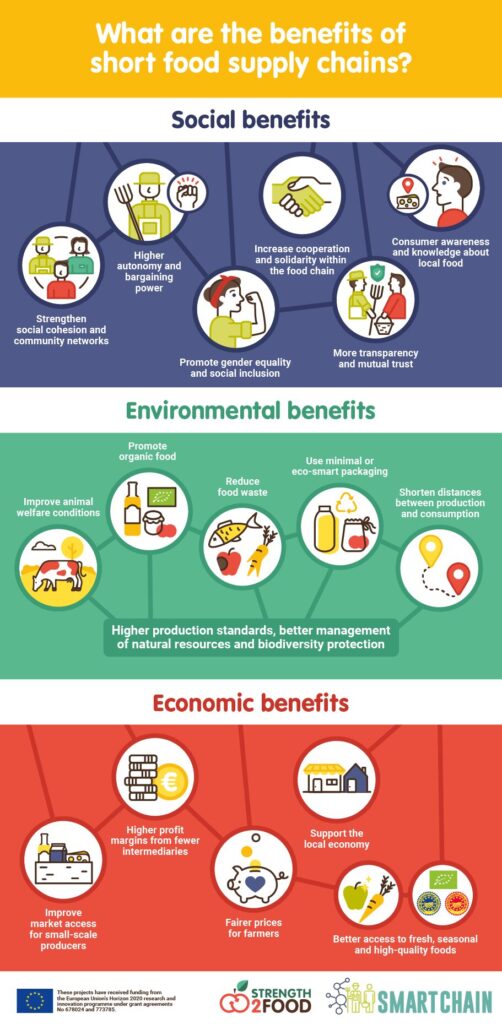
- Environmental benefits: By reducing transportation distances and volumes, we can lower greenhouse gas emissions and minimize our ecological footprint.
- Social benefits: A short supply chain fosters closer relationships between producers, distributors, and consumers, promoting fair trade practices and social responsibility.
- Economic benefits: Minimizing waste and optimizing logistics can lead to cost savings and increased efficiency for all parties involved.
Short Supply Chain vs. Km Zero
While the concepts of short supply chains and Km zero are often linked, they’re not synonymous. Km zero refers specifically to products that are produced, processed, and consumed within a single geographic area, minimizing transportation-related emissions. In contrast, a short supply chain encompasses a broader range of practices, including local production, reduced packaging, and direct communication between producers and consumers.
The Impact on Local Communities
A short supply chain can have a significant impact on local communities, contributing to the preservation of traditional knowledge, cultural heritage, and environmental balance. By supporting local producers and promoting fair trade practices, we can help maintain the social fabric of our communities and ensure that they remain resilient in the face of global challenges.
The Role of Technology
Technology plays a crucial role in the implementation of short supply chains. By leveraging digital platforms, apps, and other tools, producers, distributors, and consumers can communicate more effectively, reducing waste and increasing efficiency throughout the entire value chain. This not only promotes sustainability but also helps to create new economic opportunities for local communities.
Real-World Examples: The Pulmino Contadino
One inspiring example of a short supply chain in action is the Pulmino Contadino, an innovative initiative that connects local producers and consumers in the Maremma region. By using a specially designed vehicle to transport fresh produce, this program reduces transportation-related emissions while promoting direct communication between farmers and customers.
The Future of Sustainable Food Systems
As we look to the future, it’s clear that sustainable food systems will play an increasingly important role in shaping our global economy and environment. By embracing the principles of short supply chains, we can create a more equitable and resilient food system that benefits both people and the planet. This requires a multifaceted approach that addresses the social, economic, and environmental dimensions of sustainability.
Policy Initiatives: Supporting Short Supply Chains
Governments and policymakers have a critical role to play in supporting short supply chains. By implementing policies that promote local production, reduce packaging waste, and encourage fair trade practices, we can create an environment that fosters innovation and growth throughout the entire value chain.
Conclusion
As we strive for a more sustainable future, it’s essential to recognize the value of short supply chains in promoting environmental stewardship, social responsibility, and economic efficiency. By embracing these principles, we can create a more equitable and resilient food system that benefits both people and the planet.