
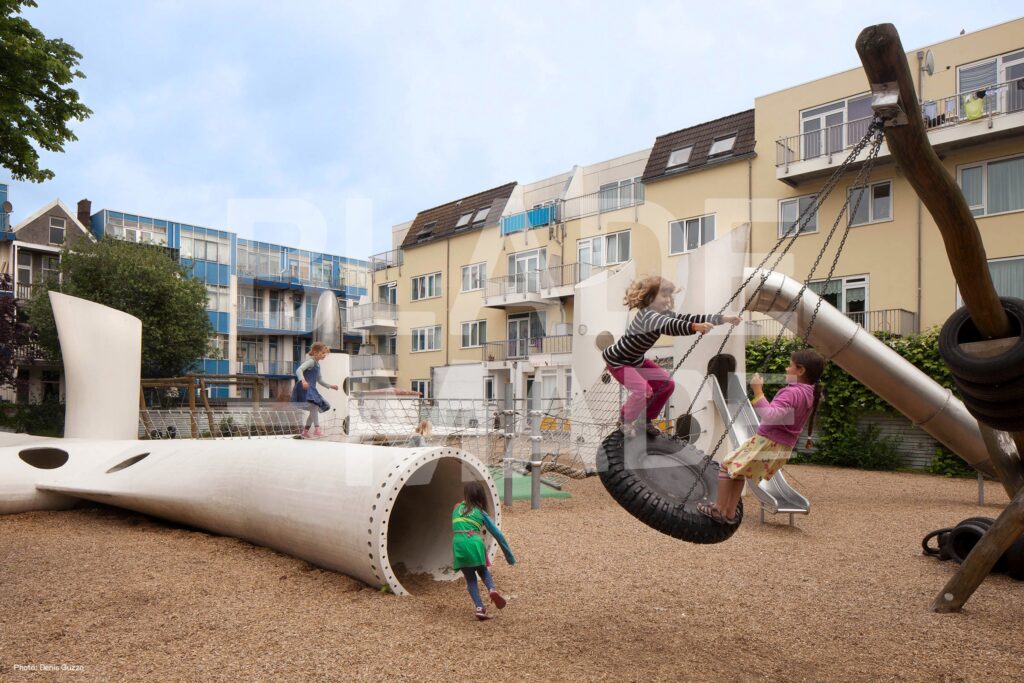
As the world continues to shift towards renewable energy sources, innovative projects like the Wikado Playgraund in Rotterdam, Netherlands, are emerging as a beacon of hope for sustainable development. This unique playground is not just an entertaining space for children but also a testament to creative recycling and sustainability.
A Brief History of Wind Turbine Recycling
The Netherlands has always been at the forefront of wind energy innovation, with a long history of harnessing the power of the wind. From traditional windmills to modern wind turbines and now, interactive playgrounds. The country’s approach to waste management is equally impressive, with a focus on recycling and repurposing materials.
Wind turbine recycling has become an increasingly important aspect of sustainable development, as old turbines are retired or decommissioned due to wear and tear. In the Netherlands, organizations and local authorities have developed innovative ways to recycle these retired turbines, giving them a new life in the form of unique playgrounds like the Wikado Playgraund.
The Birth of the Wikado Playgraund
In 2007, the Wikado Playgraund was born in Rotterdam as a result of the Netherlands’ commitment to sustainable development. This innovative project transformed retired wind turbines into a unique playground for children, showcasing the country’s creative approach to waste management and sustainability.
The concept behind the Wikado Playgraund was first conceived by a local architect who wanted to find new ways to reuse materials that were destined for the landfill. After conducting extensive research and gathering insights from various stakeholders, including local residents and engineers, he decided to collaborate with the Rotterdam-based studio 2012Architecten.
The Playground: A Marvel of Repurposing
The Wikado Playgraund is not just an amusement park; it’s a marvel of repurposing old materials. The playground features four towers, obstacle courses, ramps, bridges, slides, and a maze, all built using recycled materials from retired wind turbines and other sources. Even the simplest structures, like swings and benches, are crafted from reclaimed materials.
The designers’ approach to waste management is impressive, as they have successfully transformed discarded materials into functional and entertaining structures. The playground’s design incorporates elements of sustainability, such as rainwater harvesting systems and energy-efficient lighting.
Designing for Sustainability
The mastermind behind the Wikado Playgraund is the Rotterdam-based studio 2012Architecten, known for its commitment to sustainable design. The team’s approach to waste management is impressive, as they have successfully transformed discarded materials into functional and entertaining structures.
From the initial planning stages to the final installation of the playground equipment, the design process was guided by a clear set of sustainability principles. The team considered factors such as energy efficiency, material reuse, and environmental impact, ensuring that every aspect of the playground’s design aligns with its sustainable vision.
The Benefits of Creative Recycling
By repurposing retired wind turbines, the Wikado Playgraund not only reduces waste but also promotes sustainability and creative thinking. This innovative project demonstrates that even the most unlikely materials can be transformed into something new and valuable.
Creative recycling offers numerous benefits for both individuals and communities. For one, it helps reduce the amount of waste sent to landfills, conserving natural resources and minimizing environmental pollution. Additionally, creative recycling encourages innovation and creativity, as individuals are forced to think outside the box when repurposing materials.
A Tour of the Playground
As you explore the Wikado Playgraund, you’ll notice the attention to detail in every aspect of the design. From the repurposed wind turbines to the carefully crafted obstacles, each element is designed to promote creativity and imagination in children. The playground is a testament to the power of creative recycling and sustainable design.
One of the most striking features of the Wikado Playgraund is its use of reclaimed materials. The four towers that form the foundation of the playground are constructed from repurposed wind turbine blades, giving them a unique texture and visual appeal. The obstacle courses, ramps, and bridges are crafted from a mix of recycled steel, wood, and other sustainable materials.
The Future of Sustainable Development
As we move forward into a more sustainable future, projects like the Wikado Playgraund will continue to inspire innovation and creativity. By repurposing materials and promoting sustainability, we can create a better world for generations to come.
The success of the Wikado Playgraund demonstrates that creative recycling is not just a viable solution but also an attractive option for communities looking to promote sustainability. As more organizations and individuals become aware of the benefits of creative recycling, we can expect to see even more innovative projects emerge.
Innovative Solutions for Sustainable Development
The Wikado Playgraund offers several lessons that can be applied to other sustainable development projects:
- Creative reuse of materials: By repurposing retired wind turbines and other discarded materials, the Wikado Playgraund demonstrates the potential for creative reuse in sustainable development.
- Sustainable design: The playground’s design incorporates elements of sustainability, such as rainwater harvesting systems and energy-efficient lighting, showcasing the importance of sustainable design principles.
- Community engagement: The project involved collaboration with local residents and engineers, highlighting the value of community engagement in promoting sustainability.
Conclusion
The Wikado Playgraund is an inspiring example of creative recycling and sustainable development. By repurposing retired wind turbines, this innovative project demonstrates that even the most unlikely materials can be transformed into something new and valuable.
As we move forward into a more sustainable future, projects like the Wikado Playgraund will continue to inspire innovation and creativity. By embracing creative recycling and sustainable design principles, we can create a better world for generations to come.


