
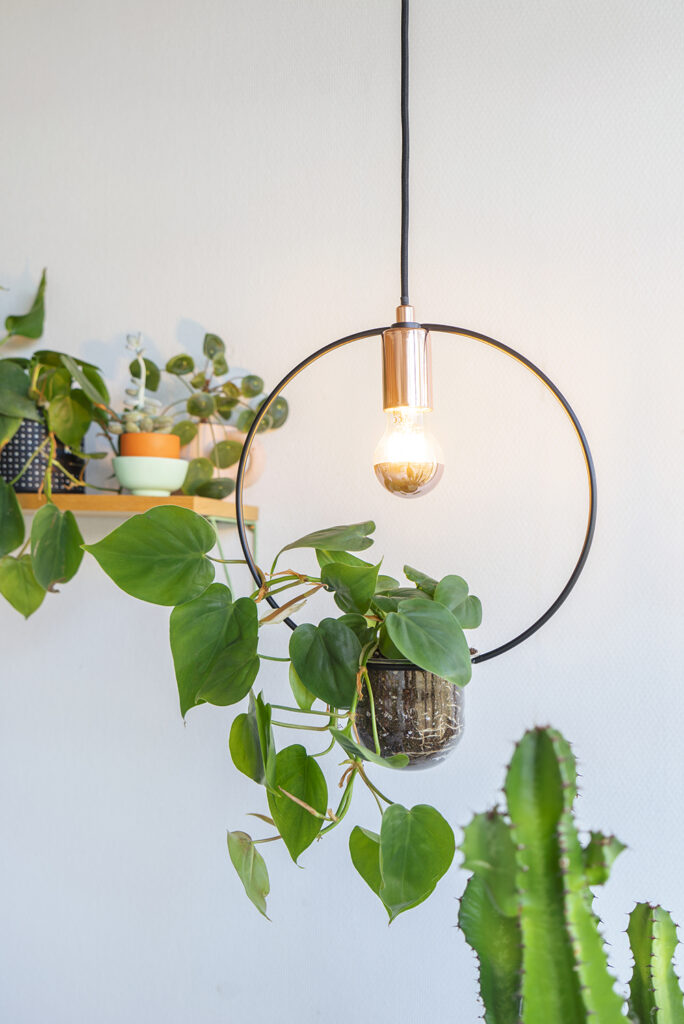
As we strive to create a more sustainable and self-sufficient indoor environment, many of us are turning to indoor plant cultivation as a way to grow our own food and connect with nature. However, one of the biggest challenges facing indoor gardeners is finding the right lighting for their plants.
In this article, we’ll explore the different types of lamps available for indoor plant growth, including LED, fluorescent, and high-pressure sodium (HPS) lights. We’ll also discuss the benefits and drawbacks of each type of lamp, as well as some practical considerations to keep in mind when choosing the right lamp for your plants.
The Importance of Lighting for Indoor Plants
Indoor plants require specific types of light to grow and thrive. Different species of plants have different lighting requirements, but most plants need a balance of blue and red light to undergo photosynthesis.
In the wild, plants are exposed to natural sunlight, which contains a broad spectrum of colors that support photosynthesis. However, indoor environments often lack the intensity and spectral diversity of natural sunlight, making it necessary to supplement with artificial lighting.
Types of Lamps for Indoor Plant Growth
There are several types of lamps available for indoor plant growth, each with its own strengths and weaknesses. Here are some of the most common types of lamps used in indoor gardening:
- Fluorescent Lamps: These lamps use electricity to excite a gas that produces ultraviolet light, which is then converted to visible light through a phosphor coating.
- High-Pressure Sodium (HPS) Lamps: These lamps use a high-pressure sodium discharge to produce yellowish-orange light, which is often used for flowering and fruiting plants.
- LED Grow Lights: These lamps use light-emitting diodes (LEDs) to produce a broad spectrum of colors that support photosynthesis.
The Benefits and Drawbacks of Each Type of Lamp
Here are some benefits and drawbacks of each type of lamp:
- Fluorescent Lamps
- Benefits: Inexpensive, energy-efficient, and easy to install.
- Drawbacks: Limited spectrum, can be harsh on plants, and may not provide sufficient light for larger plants.
- HPS Lamps
- Benefits: Provides a broad spectrum of colors that support photosynthesis, encourages flowering and fruiting, and is often used for more intense lighting needs.
- Drawbacks: Can be expensive, produces heat, and may not be suitable for smaller plants or seedlings.
- LED Grow Lights
- Benefits: Energy-efficient, flexible spectrum, and can be tailored to specific plant requirements.
- Drawbacks: Can be more expensive than other types of lamps, requires a power source, and may have a shorter lifespan.
Choosing the Right Lamp for Your Plants
When choosing a lamp for your indoor plants, consider several factors, including:
- The type of plants you’re growing
- The amount of light needed to support photosynthesis
- The size and shape of the grow area
- Budget constraints
Here are some practical considerations to keep in mind when choosing the right lamp for your plants:
- Consider the lighting requirements of each plant species
- Choose a lamp with a broad spectrum that supports photosynthesis
- Select a lamp that is energy-efficient and easy to install
- Consider the cost and lifespan of the lamp
Common Questions and Answers
Here are some common questions and answers related to indoor plant growth and lighting:
Q: What type of lamp is best for seedlings?
A: Fluorescent lamps or LED grow lights are often used for seedlings due to their gentle spectrum and energy-efficient nature.
Q: Can I use HPS lamps for flowering plants?
A: Yes, HPS lamps can be effective for flowering plants, but may require more intense lighting needs.
Q: Are LED grow lights worth the investment?
A: Yes, LED grow lights offer a flexible spectrum and energy efficiency, making them a popular choice among indoor gardeners.
Q: How often should I replace my lamp?
A: The lifespan of your lamp will depend on usage and quality. Replace your lamp every 2-5 years or as needed to maintain optimal plant growth.
Q: Can I use multiple lamps for different plants?
A: Yes, using multiple lamps can provide a more diverse spectrum that supports the needs of multiple plant species.
Additional Tips for Choosing the Right Lamp
- Consider the color temperature of the lamp. Warm white lights (2700K-3000K) are often used for flowering plants, while cool white lights (3500K-5000K) are better suited for leafy greens and other crops.
- Look for lamps with a high PAR value (photosynthetic active radiation). This measures the amount of light that is available for photosynthesis.
- Consider the wattage of the lamp. Higher wattage lamps provide more light, but may also produce more heat.
- Think about the power source. LED grow lights often require a specific voltage and current to function properly.
By considering these factors and doing some research, you can find the right lamp for your indoor plants and help them thrive in their new environment.


