
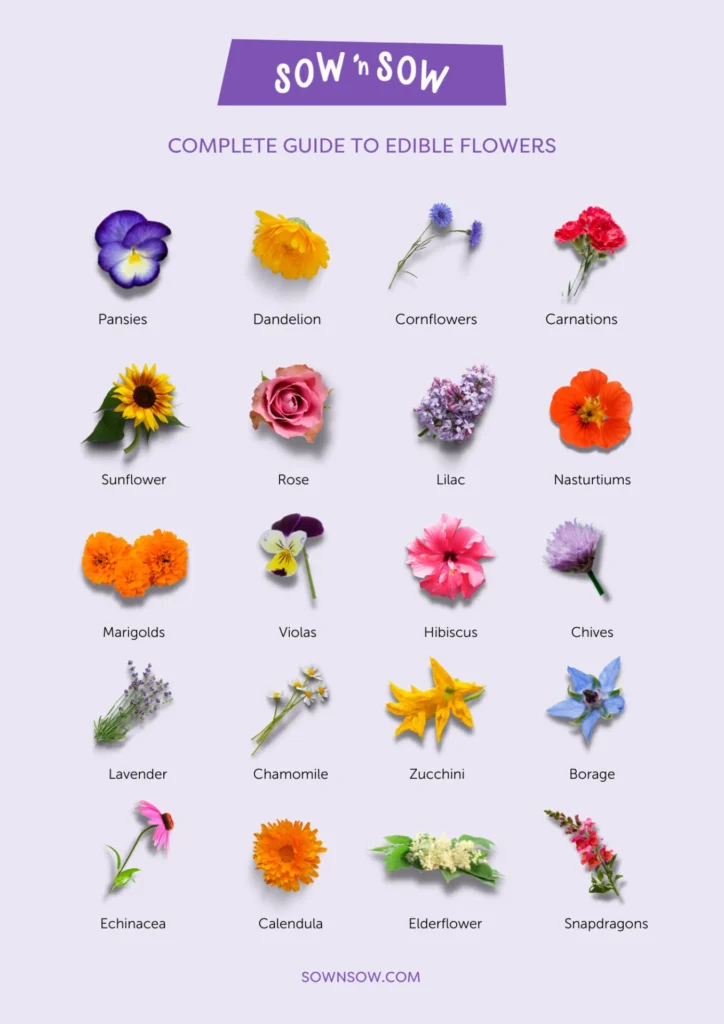
As we gaze at a bouquet of fresh flowers, it’s easy to appreciate their beauty. But did you know that many of these lovely blooms can also be used as ingredients in your cooking? From adding flavor and color to enhancing the aesthetic appeal of our dishes, edible flowers have become increasingly popular in modern cuisine.
In this article, we’ll explore the fascinating world of edible flowers, highlighting some of the most commonly used species, their unique characteristics, and how to incorporate them into your recipes. Whether you’re a seasoned chef or an adventurous home cook, you’ll discover the delightful possibilities of using these tasty flowers in your cooking.
What Are Edible Flowers?
Edible flowers are blossoms from plants that can be safely consumed without harming the consumer. They come in a stunning variety of shapes, sizes, and colors, offering a natural way to add flavor, texture, and visual appeal to our dishes. From delicate petals to vibrant blooms, edible flowers have become a popular ingredient in many cuisines worldwide.
Edible flowers can be found in various parts of the world, depending on the season and climate. In temperate climates, flowers like roses, lavender, and pansies are commonly used as ingredients, while in tropical regions, flowers like hibiscus, marigold, and nasturtiums are popular choices.
Why Use Edible Flowers?
Using edible flowers can elevate your cooking to new heights. Not only do they add a pop of color to your dishes, but they also bring unique flavors and aromas that can’t be replicated by other ingredients. Edible flowers can:
- Add a delicate sweetness or tartness to salads, desserts, and drinks
- Enhance the flavor of pasta, rice, and grains with subtle notes of herbs and spices
- Create stunning visual effects in cocktails, smoothies, and baked goods
- Provide essential nutrients like vitamins, minerals, and antioxidants
In addition to their culinary uses, edible flowers also have numerous health benefits. They are rich in antioxidants, anti-inflammatory compounds, and other beneficial phytochemicals that can help protect against chronic diseases.
Popular Edible Flowers
Some of the most commonly used edible flowers include:
- Roses: A classic choice for salads, desserts, and drinks, roses add a delicate sweetness and fragrance.
- Lavender: With its soothing aroma and subtle flavor, lavender is perfect for baked goods, cocktails, and herbal teas.
- Violets: These small, delicate flowers have a sweet, slightly earthy flavor and are often used in salads, desserts, and drinks.
- Calendula: With its vibrant orange petals, calendula adds a pop of color to salads, pasta dishes, and baked goods.
- Pansies: These colorful flowers have a sweet, grassy flavor and are perfect for salads, desserts, and cocktails.
Using Edible Flowers in Recipes
To incorporate edible flowers into your cooking, follow these simple guidelines:
- Choose fresh, organic flowers that have been free of pesticides and other chemicals.
- Wash the flowers gently with cold water to remove any dirt or debris.
- Pat dry the flowers with a clean towel or paper towels.
- Use only the petals or blossoms, as some flowers may be too bitter or fibrous for consumption.
- Add the flowers towards the end of cooking time to preserve their delicate flavors and colors.
Tips and Tricks
Some popular tips and tricks for using edible flowers include:
- Use a variety of flowers: Combine different blooms to create unique flavor profiles and visual effects.
- Experiment with different preparations: Try roasting, steaming, or freezing flowers to enhance their flavors and textures.
- Pair flowers with complementary ingredients: Match delicate flowers like violets with rich flavors like chocolate or nuts.
How to Choose the Right Edible Flowers
Choosing the right edible flowers can be a bit overwhelming, especially for those new to cooking with flowers. Here are some tips to help you make informed decisions:
- Research the edibility of each flower: Before using any flower, research its edibility and potential allergens.
- Choose flowers in season: Select flowers that are in season to ensure freshness and flavor.
- Select organic flowers: Opt for organic flowers whenever possible to avoid pesticide residues.
Common Edible Flowers by Region
Edible flowers can be found in various regions around the world, each with its unique selection of blooms. Here’s a brief overview of some popular edible flowers by region:
- Europe: Roses, lavender, and violets are commonly used in European cuisine.
- Asia: Hibiscus, marigold, and nasturtiums are popular choices for Asian dishes.
- South America: Maracuyá (passion fruit), guanabana (soursop), and cupuaçu (cacao flower) are edible flowers commonly used in South American cuisine.
Edible Flowers by Bloom Type
Different types of blooms offer unique characteristics that can enhance your cooking. Here’s a brief overview of some popular edible flowers by bloom type:
- Rose petals: Delicate, sweet, and fragrant, rose petals are perfect for salads, desserts, and drinks.
- Lavender buds: With their soothing aroma and subtle flavor, lavender buds are ideal for baked goods, cocktails, and herbal teas.
- Nasturtium flowers: These colorful blooms have a peppery, slightly sweet flavor and are often used in salads and as a garnish.
Edible Flowers by Flavor Profile
Different edible flowers offer unique flavor profiles that can enhance your cooking. Here’s a brief overview of some popular edible flowers by flavor profile:
- Sweet and delicate: Roses, violets, and pansies have sweet, delicate flavors that pair well with light dishes.
- Tart and citrusy: Hibiscus, marigold, and nasturtiums have tart, citrusy flavors that complement rich dishes.
- Herbal and aromatic: Lavender, rosemary, and thyme have herbal, aromatic flavors that add depth to various dishes.
Edible Flowers in Traditional Cuisine
Edible flowers have been used for centuries in traditional cuisine around the world. Here are some examples of edible flowers in traditional cooking:
- Middle Eastern cuisine: Roses, lavender, and sumac are commonly used in Middle Eastern cooking.
- Indian cuisine: Hibiscus, marigold, and nasturtiums are popular choices for Indian dishes.
- Chinese cuisine: Rose petals, jasmine flowers, and chrysanthemum are often used in Chinese cooking.
Edible Flowers in Modern Cuisine
Edible flowers have become increasingly popular in modern cuisine, where they are often used to add flavor, texture, and visual appeal to dishes. Here are some examples of edible flowers in modern cooking:
- Gourmet salads: Roses, violets, and pansies are commonly used as garnishes for gourmet salads.
- Modern cocktails: Lavender, hibiscus, and marigold are popular choices for craft cocktails.
- Baked goods: Rose petals, lavender buds, and chamomile flowers are often used in baked goods like cakes, cookies, and scones.
Conclusion
Edible flowers offer a fascinating world of flavors, colors, and textures that can elevate your cooking to new heights. From roses to pansies, lavender to violas, these lovely blooms have become increasingly popular in modern cuisine. With their unique characteristics and versatility, edible flowers are sure to inspire your next culinary adventure.
Frequently Asked Questions
- Are all edible flowers safe for consumption?
- No, some flowers may be toxic or cause allergic reactions. Always research the edibility of a flower before using it in cooking.
- How do I clean and prepare edible flowers?
- Wash gently with cold water, pat dry with a clean towel or paper towels, and use only the petals or blossoms.
- Can I grow my own edible flowers?
- Yes, many edible flowers can be grown at home, provided they are free of pesticides and other chemicals.
- How do I store edible flowers?
- Store in an airtight container in the refrigerator to preserve freshness and flavor.
- What are some popular recipes using edible flowers?
- Experiment with different preparations like salads, desserts, cocktails, and baked goods to find your favorite ways to use edible flowers.
By embracing the world of edible flowers, you’ll unlock new flavors, textures, and visual effects that will elevate your cooking to new heights. So go ahead, get creative, and indulge in the delightful possibilities of these tasty blooms!


