
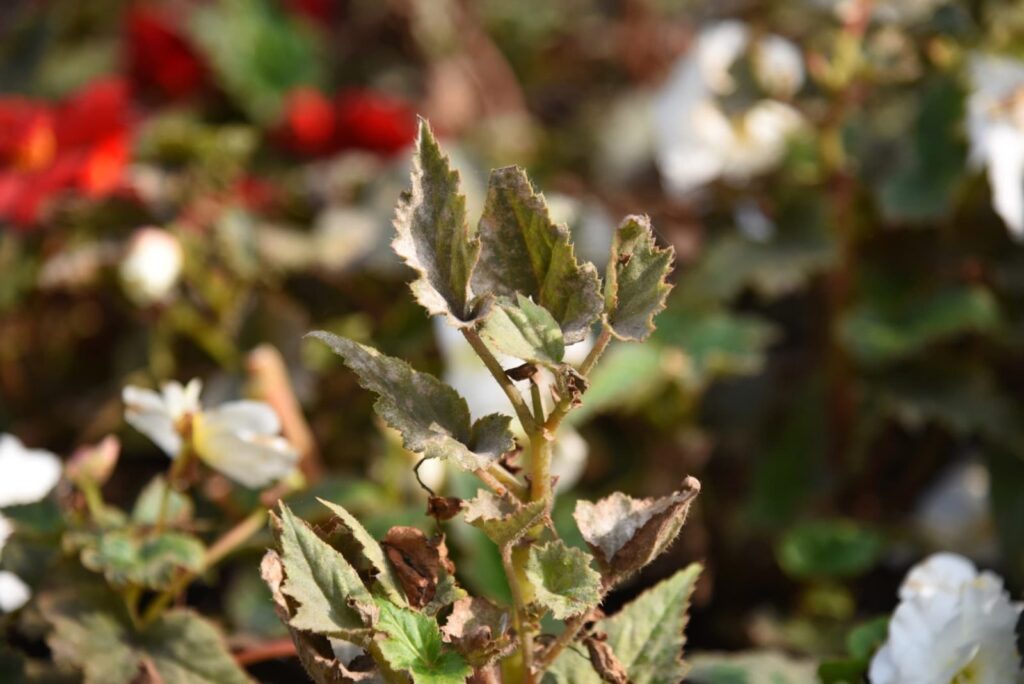
When it comes to discussing Begonias, many people immediately think of flowers. And while that’s true, Begonias are actually a large and diverse family of plants that include over 1,000 species, as well as countless cultivars and hybrids. But what sets Begonias apart from other flowering plants? Let’s dive in and explore the fascinating world of Begonias.
Understanding the Begonia Family
To begin with, let’s talk about the different types of Begonias. There are three main types: rizomatose (rhizomatous), tuberosa (tuberous), and fascicolata (fasciculated). Each type produces unique flowers that set them apart from one another.
- Rizomatose Begonias: These plants produce small, inconspicuous flowers.
- Tuberosa Begonias: These plants produce large, showy flowers with bright colors and delicate patterns.
- Fascicolata Begonias: These plants produce unique, pannicle-like flowers that are often found in tropical regions.
Meeting the Begonia Dragon
One of the most popular types of Begonias is the “Dragon” variety. This stunning plant can grow up to 30 cm tall and has large, fleshy leaves with a deep green color. The blooms come in shades of red, pink, and white, making them a true showstopper.
Begonia Grandis: A Giant Among Begonias
The Begonia Grandis is another popular variety that’s known for its impressive size. Reaching up to 1 meter tall, this plant has large, reddish-brown leaves with white spots. The blooms are delicate and pale pink, adding a touch of elegance to any room.
Begonia Elatior: A Flowering Marvel
The Begonia Elatior is an annual plant that produces bright, colorful flowers in shades of red, yellow, orange, and pink. These flowers are often grouped together, creating a stunning display of color and texture. The leaves of this plant are dark green and have a glossy finish.
Begonia Boliviensis: A Tropical Beauty
The Begonia Boliviensis is a type of Begonia that’s known for its vibrant colors and striking patterns. Some varieties have orange-yellow leaves, while others have reddish-brown leaves with white spots. The blooms come in shades of pink, red, and yellow, making them a true showstopper.
Cultivating Begonias: Tips and Tricks
So how do you cultivate these beautiful plants? Here are some tips to keep in mind:
- Lighting: Most Begonias prefer bright, indirect light. Direct sunlight can be too intense and may cause the leaves to become scorched.
- Watering: Overwatering is a common mistake when it comes to Begonias. Make sure to water them sparingly, allowing the soil to dry out between waterings.
- Fertilizing: Feed your Begonias with a balanced fertilizer during the growing season (spring and summer).
- Pruning: Prune your Begonias regularly to encourage new growth and prevent legginess.
Common Diseases and Pests
While Begonias are relatively low-maintenance plants, they can still be susceptible to certain diseases and pests. Here are some common issues to watch out for:
- Fungal infections: Fungi like Botrytis cinerea and Oidium begoniae can cause leaf spots, yellowing leaves, and other problems.
- Pests: Pests like aphids, mealybugs, and spider mites can cause damage to the leaves and flowers.
Propagation Methods
There are several ways to propagate Begonias. Here are some of the most common methods:
- Division: Divide the roots of a mature plant into smaller sections and pot them up.
- Cuttings: Take cuttings from healthy stems or leaves and root them in water or soil.
- Seed germination: Sow Begonia seeds in well-draining soil and keep them moist until they germinate.
Pest Control
While most Begonias are free of pests, there are a few common issues to watch out for:
- Aphids: These small insects can cause damage to the leaves and flowers.
- Mealybugs: These tiny insects can cause damage to the leaves and stems.
- Spider mites: These tiny spiders can cause damage to the leaves and flowers.
Fungicides
While most Begonias are relatively free of fungal infections, there are a few common issues to watch out for:
- Botrytis cinerea: This fungus can cause leaf spots, yellowing leaves, and other problems.
- Oidium begoniae: This fungus can cause leaf spots, yellowing leaves, and other problems.
Conclusion
Begonias are a fascinating group of plants that offer a wide range of colors, shapes, and sizes. By understanding their unique characteristics and needs, you can cultivate these beautiful plants in your home or garden.
FAQs
- What is the best way to care for Begonias?
- Most Begonias prefer bright, indirect light and well-draining soil.
- How often should I water my Begonias?
- Allow the soil to dry out between waterings to prevent overwatering.
- Can I grow Begonias indoors?
- Yes, most Begonias can be grown indoors with proper care and attention.
- What are some common diseases that affect Begonias?
- Fungal infections like Botrytis cinerea and Oidium begoniae can cause problems.


