
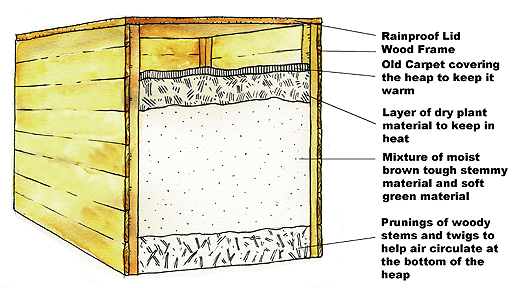
Composting is a natural process that breaks down organic materials into nutrient-rich soil. It’s an essential practice for sustainable gardening, reducing waste and promoting healthy plant growth. In this article, we’ll explore the basics of composting, including methods like the composting pile (compostiera a cumulo) and their benefits.
Understanding Composting Basics
Composting is a process that involves the decomposition of organic materials into a stable, nutrient-rich form of soil amendment. This natural process has been used for centuries to create fertilizer for gardens, fields, and agricultural land. The composting process can be categorized into two main types: traditional (cumulo) and modern (composter). Traditional composting methods involve creating a compost pile by layering organic materials such as leaves, branches, food waste, and other biodegradable materials.
Choosing the Right Composting Method
When choosing a composting method, it’s essential to consider your specific needs and preferences. The traditional composting pile is a popular choice among gardeners due to its low cost and environmental benefits. However, this method requires more space and can be time-consuming to maintain. On the other hand, modern composters are designed with convenience in mind and often include features like odor control and efficient decomposition.
Setting Up Your Composting Pile
Before starting your composting journey, ensure you have the right location for your compost pile. Here are some key considerations:
- Sunlight: Your compost pile needs sunlight to break down organic matter efficiently.
- Shade: A shaded area can help regulate temperature and prevent odors.
- Accessibility: Choose a location that’s easily accessible for adding materials and maintenance.
Designing Your Composting Pile
To create an effective composting pile, follow these steps:
- Base layer: Start with a base layer of drenched materials to retain moisture and facilitate decomposition.
- Add organic matter: Add a mix of “green” (nitrogen-rich) and “brown” (carbon-rich) materials, such as leaves or food waste.
- Aeration: Ensure adequate oxygen flow by incorporating air pockets and mixing the pile regularly.
Tips for Maintaining Your Composting Pile
Regular maintenance is crucial for a healthy composting process:
- Mixing: Rotate your compost pile every week to maintain optimal conditions.
- Moisture control: Keep the pile moist, like a damp sponge.
- Temperature monitoring: Regularly check temperature to ensure it’s within the optimal range (50-80°C/122-176°F).
The Benefits of Composting
Composting offers numerous benefits for gardeners and the environment:
- Reduced waste: Composting reduces the amount of organic waste sent to landfills.
- Nutrient-rich soil: Compost provides essential nutrients for plant growth, reducing the need for synthetic fertilizers.
- Climate change mitigation: Composting helps sequester carbon dioxide and reduce greenhouse gas emissions.
Conclusion
Composting is a simple yet effective way to promote sustainable gardening practices. By understanding the basics of composting and choosing the right method, you can create a nutrient-rich soil amendment that benefits your plants and reduces waste. Remember to maintain your compost pile regularly and explore the many benefits of this eco-friendly practice.
Frequently Asked Questions
- What is compost?: Compost is a mixture of decomposed organic materials, such as food waste or leaves, which provides nutrients for plant growth.
- How long does it take to compost?: The composting process can take anywhere from a few weeks to several months, depending on factors like temperature and moisture levels.
-
Is composting suitable for all gardens?: Composting is an ideal practice for most gardens, but it may not be suitable for small gardens or those with limited space.
-
Can I compost food waste?: Yes, you can compost food waste, such as fruit and vegetable scraps, tea bags, and coffee grounds.
-
How do I make compost at home?: To make compost at home, start by collecting organic materials like leaves, twigs, and food waste. Mix these materials together in a specific ratio (green: brown) and maintain the pile regularly to ensure optimal decomposition.
-
What are the benefits of using compost?: Compost provides essential nutrients for plant growth, improves soil structure, and supports beneficial microorganisms.
-
Can I compost meat or dairy products?: While some organic materials like fruit and vegetable scraps can be composted, it’s generally recommended to avoid adding meat, dairy products, or oily foods, as they can attract pests and create unpleasant odors.
-
How do I store compost when not in use?: When storing compost, it’s best to keep it covered with a lid or tarp to prevent attracting pests.


