
As a gardener or homeowner, dealing with weeds can be a frustrating task. The constant battle against unwanted vegetation can take a toll on your mental and physical health. Traditional chemical weedkillers have been the go-to solution for many years, but their use has raised concerns about environmental impact and human health risks. In this article, we’ll explore the world of natural herbicides, discussing their benefits, types, and uses.
The Problem with Chemical Weedkillers
Chemical weedkillers, such as glyphosate, have been widely used to control weeds in gardens and yards. However, these products can have severe consequences for the environment and human health. Glyphosate has been linked to a range of health problems, including cancer, and its use has also contributed to soil degradation and water pollution.
Glyphosate is often used in herbicides that are applied directly to plants, where it inhibits an enzyme called 5-enolpyruvylshikimate-3-phosphate synthase (EPSPS). This enzyme is necessary for plant growth, so when glyphosate binds to it, the plant’s ability to produce amino acids and other essential compounds is disrupted. Without these essential compounds, plants can’t grow or reproduce, effectively killing them.
However, there are also indirect effects of glyphosate use that contribute to its overall environmental impact:
- Soil degradation: Glyphosate can alter soil chemistry, reducing its fertility and affecting plant growth.
- Water pollution: When glyphosate is applied to crops or soil, it can leach into waterways, contaminating rivers, lakes, and groundwater sources.
Natural Herbicides: A Safer Alternative
So, what are natural herbicides? Simply put, they’re alternatives to chemical weedkillers that use natural ingredients to control weeds. These products can be made from a variety of sources, including salt, acetic acid, and other plant extracts. Natural herbicides offer several benefits over traditional chemical weedkillers, including:
- Environmental sustainability: Natural herbicides are biodegradable and non-toxic, reducing the risk of soil contamination and water pollution.
- Human health safety: Natural herbicides are generally safer for human consumption and exposure, making them a better choice for gardeners and homeowners who may accidentally ingest weedkillers or breathe in their fumes.
Types of Natural Herbicides
There are several types of natural herbicides available, including:
- Salt-based herbicides: Salt is a natural herbicide that can be used to control weeds by dehydrating them. However, it’s essential to use caution when applying salt-based herbicides, as they can also harm beneficial plants.
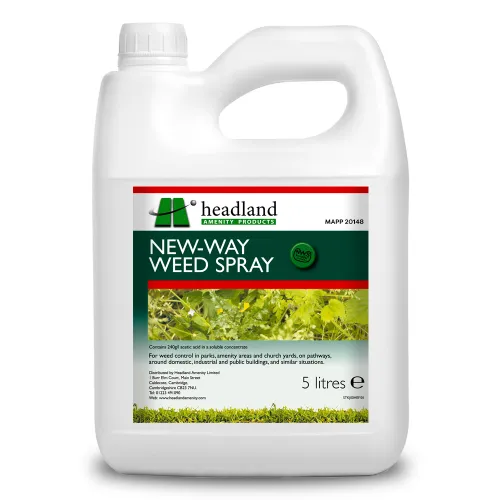
- Acetic acid-based herbicides: Acetic acid is a natural acid found in vinegar and other plant extracts. It’s commonly used to control weeds by causing cell death and preventing germination.
- Heat-based herbicides: Heat-based herbicides use high temperatures to kill weeds, often by solarization or pyrodiserbos.
Using Natural Herbicides Effectively
While natural herbicides are generally safer than chemical weedkillers, they still require careful use. Here are some tips for using natural herbicides effectively:
- Dilute the product: Always dilute natural herbicides according to the manufacturer’s instructions to avoid overuse and minimize risks.
- Target specific weeds: Use natural herbicides specifically designed to target particular types of weeds, such as broadleaf or narrow-leaf weeds.
- Follow application instructions: Follow the application instructions carefully to ensure safe and effective use.
Conclusion
Natural herbicides offer a safer alternative to traditional chemical weedkillers for controlling weeds in gardens and yards. While they require careful use and may not be as effective as chemical weedkillers, natural herbicides can provide long-term benefits for the environment and human health. By choosing natural herbicides and using them effectively, gardeners and homeowners can create a healthier and more sustainable outdoor space.
Frequently Asked Questions
- What are the most common types of natural herbicides?
- Salt-based herbicides
- Acetic acid-based herbicides
- Heat-based herbicides
- How do I choose the right natural herbicide for my needs?
- Consider the type of weeds you’re trying to control and choose a product specifically designed for that purpose.
- Read the label carefully and follow application instructions.
- Are natural herbicides effective in controlling weeds?
- Natural herbicides can be effective, but they may not be as fast-acting or long-lasting as chemical weedkillers.
- Can I use natural herbicides on non-weed plants?
- Yes, it’s essential to choose products specifically designed for weed control and follow application instructions carefully.
-
Are natural herbicides safe for human consumption?
- Generally, no. While some natural herbicides are safer than chemical weedkillers, they can still cause harm if ingested in large quantities or over an extended period.
-
Can I buy natural herbicides online?
- Yes, many online retailers offer a range of natural herbicides specifically designed for gardeners and homeowners.
-
How do I store natural herbicides safely?
- Always follow the manufacturer’s instructions for storage and disposal to avoid accidents or environmental harm.
-
Are natural herbicides more expensive than chemical weedkillers?
- Generally, yes. While the initial cost of natural herbicides may be higher, they can provide long-term benefits and reduce the risk of environmental contamination and human health risks associated with chemical weedkillers.



