
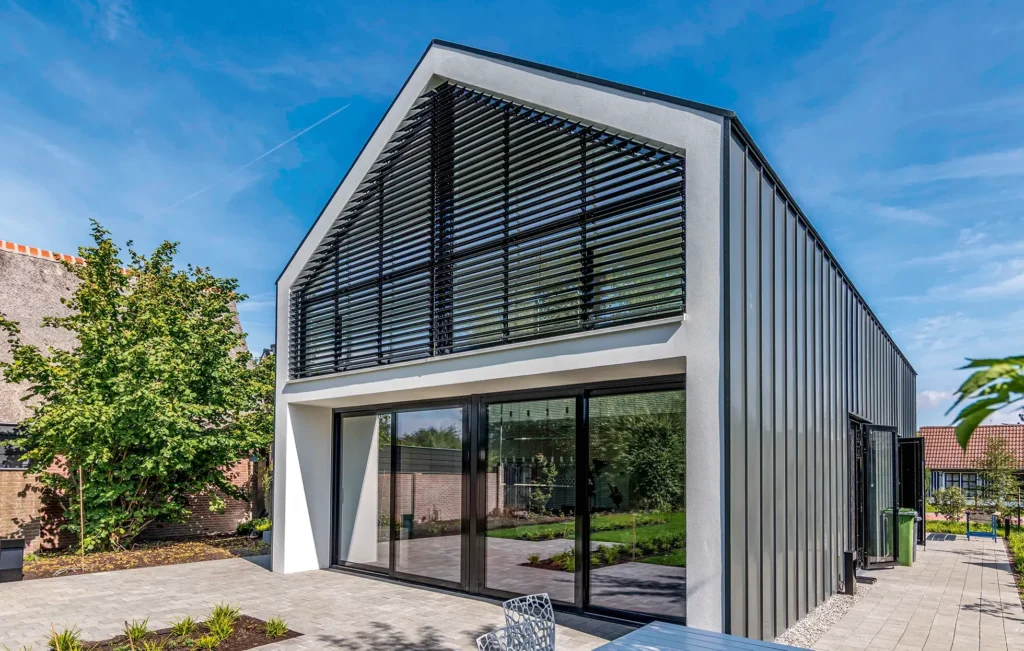
As the world shifts towards sustainable living, solar screens have become a popular solution for regulating light in buildings and homes. By harnessing the power of the sun, these innovative screens not only reduce energy consumption but also provide an eco-friendly alternative to traditional building materials.
The Benefits of Solar Screens
Solar screens are designed to control the amount of sunlight entering a building or home, reducing heat gain during summer months and minimizing heat loss during winter. This results in significant energy savings, making them an attractive option for homeowners and architects alike. But that’s not all – solar screens also provide numerous other benefits, including:
- Increasing natural light levels
- Reducing the need for artificial lighting
- Producing clean energy through photovoltaic cells
- Enhancing building insulation
The Role of Solar Screens in Energy Efficiency
HVAC systems (Heating, Ventilation and Air Conditioning) account for up to 80% of a building’s energy expenditure. By incorporating solar screens into a building design, it is possible to reduce the need for these systems, thereby lowering energy costs and minimizing environmental impact.
Smart Solar Screens: The Future of Building Design
Innovative solar screen systems now feature automatic orientation technology, allowing buildings to maximize energy production during peak sunlight hours. This cutting-edge technology can be integrated with photovoltaic cells, creating a self-sustaining energy system.
Solar screens for residential homes are typically used on windows, skylights, and other glazed surfaces, reducing heat gain in the summer and heat loss in the winter. Some popular types of solar screens include:
- Manual Solar Shades
- Automated Roller Shades with Photovoltaic Cells
- Smart Glass Coatings
Choosing the Right Solar Screens for Your Home
When selecting solar screens for your home, consider factors such as energy efficiency, durability, and maintenance requirements. Here are some tips to help you make an informed decision:
- Evaluate your climate: In areas with high sunlight exposure, thicker or darker solar screens may be more effective at reducing heat gain.
- Consider window type: Solar screens work best for windows facing south, west, or southwest.
- Think about maintenance: Choose solar screens that are easy to clean and maintain.
Solar Screens in Commercial Settings
While often associated with residential applications, solar screens can also play a vital role in commercial buildings. By harnessing the power of sunlight, businesses can reduce energy costs, increase productivity, and create a more sustainable work environment.
Some popular types of solar screens for commercial settings include:
- Large-scale Photovoltaic Screens
- Energy-Harvesting Glass Coatings
- High-Performance Solar Shades
Solar Screens in Urban Planning
As cities continue to grow and expand, urban planners are looking for innovative solutions to reduce energy consumption and improve sustainability. Solar screens can play a key role in this effort by regulating light and heat in buildings and public spaces.
Some popular types of solar screens for urban planning include:
- Public Building Shades
- Street Lighting Solutions
- Green Roofs with Solar Screens
Frequently Asked Questions
- What are the benefits of using solar screens in my home?
Solar screens provide numerous benefits, including reducing energy consumption, increasing natural light levels, and producing clean energy through photovoltaic cells. - How do solar screens work?
Solar screens harness the power of sunlight to control the amount of heat entering a building or home. They can be integrated with photovoltaic cells to create a self-sustaining energy system. - Can I install solar screens in my home without professional help?
While it’s possible to install solar screens yourself, we recommend consulting with a professional to ensure proper installation and optimal performance. - Are solar screens suitable for all types of buildings?
Solar screens can be adapted to various building designs and sizes. However, they may not be the best option for every structure or climate condition.
Conclusion
Solar screens offer a sustainable solution for regulating light in buildings and homes, reducing energy consumption, and producing clean energy through photovoltaic cells. With their numerous benefits and innovative technologies like smart orientation systems, solar screens are set to revolutionize the way we design and build our living spaces.


