
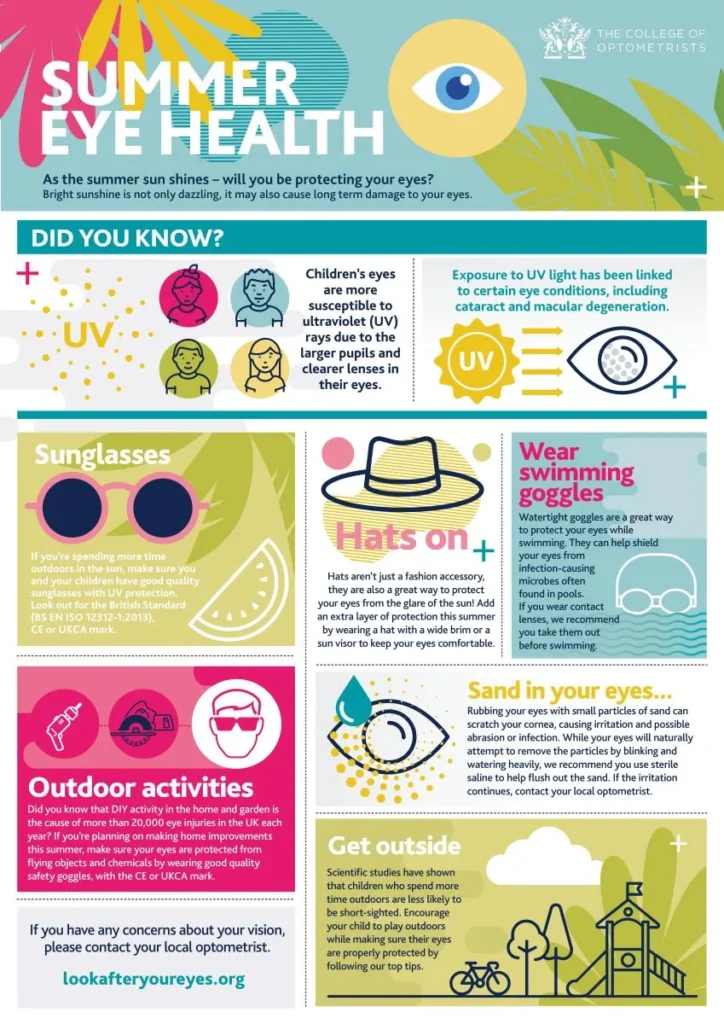
As we enjoy the sun’s warm rays, it’s essential to be aware of the risks it poses to our eyes. Prolonged exposure to UV radiation can cause significant damage to the delicate tissues in your eyes, including the cornea and lens. In this article, we’ll explore how to protect your eyes from the sun’s harmful rays and provide you with practical tips on what to do.
Understanding the Risks of UV Radiation
UV radiation is a known carcinogen that can cause eye damage, including cataracts, macular degeneration, and even blindness. When the sun’s rays reflect off surfaces like water, sand, and snow, they increase the risk of UV exposure. Even on cloudy days, up to 80% of the sun’s UV radiation can pass through.
The Importance of UV Protection
UV protection is essential for everyone, regardless of age or skin type. The American Academy of Ophthalmology recommends wearing sunglasses with a minimum of 99-100% UVA and UVB protection to prevent eye damage. Wearing sunscreen with at least SPF 30 on your face and neck can also help protect against UV radiation.
Choosing the Right Sunglasses
To protect your eyes from the sun, you need to choose sunglasses that block at least 99-100% of UVA and UVB rays. Look for sunglasses with the CE (Conformité Européene) mark, which ensures they meet European safety standards. Be cautious of counterfeit products, as they may not provide adequate protection.
How to Choose the Right Lenses
When selecting lenses for your sunglasses, consider the following factors:
- The lens material should be made from polycarbonate or Trivex.
- The tint should be dark enough to block at least 99-100% of UVA and UVB rays.
- The lens should have a anti-reflective coating to reduce glare.
Lens Materials
Polycarbonate lenses are lightweight, shatter-resistant, and provide excellent impact protection. Trivex lenses offer superior optical clarity and are also lightweight. Prescription lenses can be made from any of these materials or a combination of them.
Tints and Colors
Different tints and colors offer varying levels of UV protection:
- Gray and brown tints: Block 90-99% of UVA and UVB rays.
- Green and yellow tints: Block 80-89% of UVA and UVB rays.
- Amber tints: Block less than 50% of UVA and UVB rays.
Protecting Children’s Eyes
Children under the age of 10 are particularly vulnerable to eye damage due to UV radiation. It’s essential for parents to choose sunglasses that provide adequate protection, such as:
- Lenses with high-quality coatings that block UVA and UVB rays
- Frames that fit comfortably and securely
- Tints that reduce glare
Protecting Older Adults’ Eyes
Older adults are more susceptible to eye damage due to age-related macular degeneration. To protect their eyes, consider the following:
- Lenses with high-quality coatings that block UVA and UVB rays
- Frames that fit comfortably and securely
- Tints that reduce glare
A Healthy Diet for Healthy Eyes
In addition to wearing sunglasses, a balanced diet rich in fruits, vegetables, and omega-3 fatty acids can help promote healthy eyes. Some foods particularly beneficial for eye health include:
- Leafy greens like spinach and kale
- Berries like blueberries and strawberries
- Nuts and seeds like walnuts and flaxseeds
- Fatty fish like salmon and sardines
Additional Tips
Here are some additional tips to help you protect your eyes from the sun:
- Wear sunglasses whenever you’re outside, even on cloudy days.
- Choose clothing with built-in UPF protection to prevent skin damage.
- Seek shade when spending time outdoors, especially during peak hours.
Protecting Your Eyes from the Sun: A Summary
In conclusion, protecting your eyes from the sun’s harmful rays is crucial for maintaining good eye health. By choosing the right sunglasses, following these tips, and maintaining a healthy diet, you can reduce your risk of eye damage and enjoy the sunshine with confidence.
Frequently Asked Questions
- What are the best sunglasses to wear for eye protection?
Choose sunglasses that block at least 99-100% of UVA and UVB rays, have high-quality coatings, and fit comfortably and securely. - Can I still get sun damage from glasses with tinted lenses?
Yes, it’s possible to get sun damage from glasses with tinted lenses if they don’t provide adequate protection. Always check the UV protection rating of your sunglasses. - How often should I replace my sunglasses?
Replace your sunglasses every 1-2 years or sooner if the lenses become scratched or damaged. - Can I wear contact lenses in the sun?
No, it’s not recommended to wear contact lenses in the sun. Instead, use sunglasses or goggles that protect your eyes from UV radiation. - How can I reduce my risk of eye damage from UV radiation?
Reduce your risk by choosing the right sunglasses, wearing them whenever possible, and maintaining a healthy diet rich in fruits, vegetables, and omega-3 fatty acids.
By following these tips and being aware of the risks associated with UV radiation, you can protect your eyes and maintain good eye health. Don’t forget to take care of your eyes, as they are an essential part of your overall well-being.


