
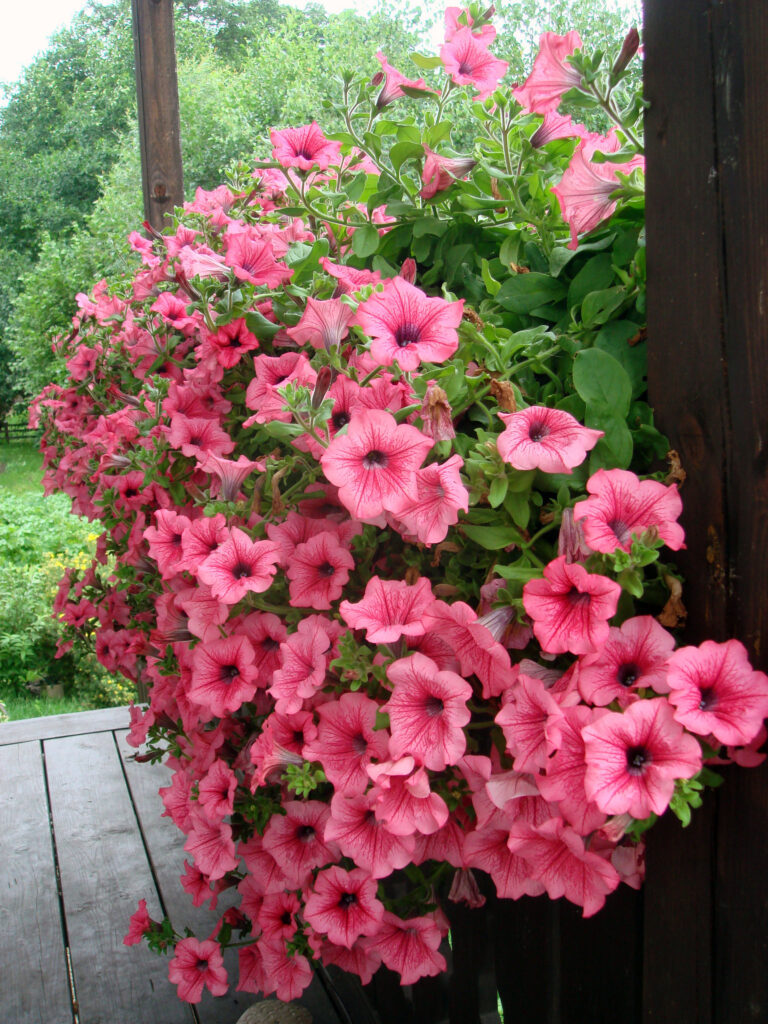
When choosing ornamental plants for your garden, it’s natural to start by selecting those that you like the most. However, this shouldn’t be the only factor in making your decision. The right plant can make all the difference in creating a beautiful and thriving garden, but it requires careful consideration of several key factors.
Understanding Your Garden’s Needs
When designing a garden, there are two main levels of priority that need to be considered when selecting ornamental plants:
- Level 1: Climate, sunlight exposure, soil quality, compatibility with existing species.
- Level 2: Personal taste, surrounding landscape, maintenance requirements.
Both levels are essential on different planes. Ignoring the first level can lead to the failure of your garden as the plants won’t be able to survive or thrive. Ignoring the second level, on the other hand, can result in a garden that doesn’t reflect your personality and style, or even feels out of place.
Understanding Your Climate
A thorough understanding of your local climate is crucial when selecting ornamental plants for your garden. This includes factors such as:
- Temperature: What are the minimum and maximum temperatures expected during different seasons?
- Precipitation: How much rainfall can be expected, and what is the frequency of dry spells?
- Wind direction and speed: How will wind affect your plants?
In Italy, there are 7 distinct climate zones. While this information provides a general idea of what to expect, it’s essential to consider microclimates within these areas.
Microclimates: Small-Scale Variations in Climate
A microclimate can be created by factors such as:
- Elevation: Areas at higher elevations tend to have cooler temperatures and more precipitation.
- Proximity to large bodies of water: Lakes and oceans can moderate temperatures and create unique microclimates.
Assessing Your Soil
The type of soil you have in your garden is crucial for selecting the right ornamental plants. Consider factors such as:
- pH level: Is your soil acidic, alkaline, or neutral?
- Texture: Is your soil sandy, clay-based, or a mix?
Some plants thrive in acidic soils, while others prefer more alkaline conditions.
Light Exposure
Light exposure is essential for plant growth and development. While most plants require sunlight to photosynthesize, some can tolerate partial shade or even full shade.
- Full sun: Plants that require direct sunlight for at least 6 hours a day.
- Partial shade: Plants that can thrive in conditions with filtered sunlight.
- Full shade: Plants that prefer no direct sunlight at all.
Terrestrial and Arboreal Plants
Both terrestrial and arboreal plants have their unique characteristics, advantages, and requirements.
- Terrestrial plants: These are the ones you’d typically find on or just above the ground. They’re a popular choice for gardens due to their versatility.
- Arboreal plants: These are trees and shrubs that can add structure and depth to your garden.
Terrestrial Plants
Terrestrial plants are a great option for many types of gardens, as they can be used in a variety of ways. Some examples include:
- Flowers: Annuals like marigolds, zinnias, and petunias can add color and vibrancy to your garden.
- Grasses: Ornamental grasses like pampas grass, fountain grass, and blue oat grass can provide texture and movement.
- Foliage plants: Plants like hostas, impatiens, and coleus can provide shade and interest.
Arboreal Plants
Arboreal plants are a great option for adding structure and depth to your garden. Some examples include:
- Trees: Trees like oak, maple, and pine can provide shade and create a sense of drama.
- Shrubs: Shrubs like hydrangea, lavender, and boxwood can add interest and texture.
Designing Your Garden
Once you’ve selected the right plants for your garden, it’s time to think about design. Here are some tips to keep in mind:
- Balance: Create a balanced look by using a mix of plants with different textures, shapes, and sizes.
- Proportion: Make sure that the size of each plant is proportional to its surroundings.
- Harmony: Choose plants that work well together in terms of color, shape, and texture.
Conclusion
Choosing the right ornamental plants for your garden can be a challenging task, but with careful consideration of factors like climate, sunlight exposure, soil quality, and personal taste, you can create a beautiful and thriving garden.


