
Are you tired of having complicated days and struggling to fall asleep every now and then? Do you often find yourself crashing at odd hours, unable to even watch a movie in the evening, or feeling so exhausted that you can’t sleep at all? You’re not alone. Many people face this issue, and it’s essential to understand the underlying reasons and explore effective solutions.
Understanding Sleep Debt
It’s crucial to recognize that our bodies have a natural sleep-wake cycle, also known as our circadian rhythm. When we don’t get enough sleep, we accumulate a type of debt called “sleep debt.” This debt can lead to various physical and mental health problems if left unchecked. Our brains are wired to respond to stress, anxiety, and fatigue, making it even more challenging to fall asleep.
Sleep debt occurs when our bodies’ natural need for rest is not met, leading to feelings of exhaustion, irritability, and decreased productivity. When we don’t get enough sleep, our brain’s ability to clear waste and regenerate new neurons is impaired, which can lead to cognitive decline and memory loss.
The Importance of Sleep
Sleep plays a vital role in our overall well-being. During sleep, our bodies repair and regenerate damaged cells, build bone and muscle, and strengthen our immune systems. Additionally, sleep helps us process and consolidate memories, regulate emotions, and improve cognitive function. When we don’t get enough sleep, we can experience:
- Impaired cognitive performance
- Memory lapses
- Decreased attention span
- Weakened immune system
- Increased risk of chronic diseases
Breaking the Cycle
Before trying any remedies or treatments, it’s essential to acknowledge that every individual is unique. Some people may need professional help to address underlying psychological or physical issues that affect their sleep. For those who have simply developed poor habits and want to improve their sleep, there are several strategies that can help.
Step 1: Understanding the Bedtime Routine
Establishing a consistent bedtime routine can significantly impact our ability to fall asleep. This involves creating an environment conducive to sleep, such as maintaining a cool temperature, reducing noise levels, and ensuring the bedroom is dark.
Creating a bedtime routine can also help signal to our brain that it’s time to wind down and prepare for sleep. This can include activities like:
- Reading a book
- Taking a warm bath or shower
- Practicing gentle stretches or yoga
- Listening to calming music or nature sounds
Step 2: Eliminating Stimuli
Identify and eliminate any stimulating activities or habits that may interfere with your ability to fall asleep. This includes:
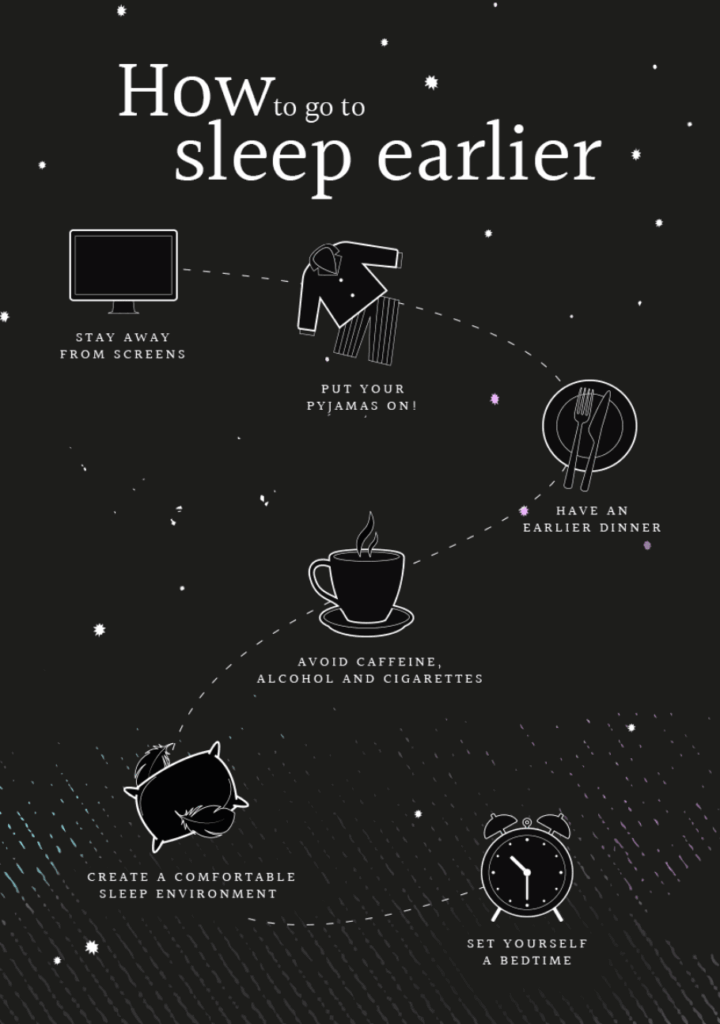
- Avoiding electronic devices at least an hour before bedtime (the blue light emitted from screens can suppress melatonin production)
- Reducing caffeine and nicotine intake (both stimulants can disrupt sleep patterns)
- Engaging in relaxing activities, such as reading or meditation
- Avoiding heavy meals close to bedtime (this can lead to discomfort and indigestion)
Step 3: Creating a Sleep-Conducive Environment
Make your bedroom a sleep sanctuary by ensuring it is:
- Dark: Use blackout curtains, blinds, or shades to block out any light sources
- Quiet: Invest in earplugs, white noise machines, or soundproofing materials to reduce noise levels
- Cool (around 60-67°F): A cooler room can promote better sleep and reduce symptoms of insomnia
- Comfortable: Invest in a good mattress and pillows that provide adequate support and comfort
Step 4: Implementing the Control of Stimulus Method
This method involves associating the bed with sleep by consistently using it only for sleeping. Here’s how to implement it:
- Go to bed when you feel sleepy, not because you feel obligated or want to try to fall asleep
- Avoid using the bed as a workspace, watching TV, or engaging in stimulating activities
- If you find yourself struggling to fall asleep after 10-15 minutes, get out of bed and engage in a relaxing activity until you feel sleepy again
- Repeat this process consistently, even on weekends
Step 5: Addressing Underlying Issues
If you’re still struggling with sleep despite implementing these strategies, it may be essential to address underlying psychological or physical issues. This could involve seeking professional help from a therapist or healthcare provider.
Some common underlying issues that can affect sleep include:
- Anxiety and depression
- Insomnia (difficulty falling asleep or staying asleep)
- Chronic pain
- Sleep apnea
- Restless leg syndrome
Conclusion
Going to bed early is not just about establishing a consistent sleep schedule; it’s also about creating an environment conducive to sleep and addressing any underlying issues that may be affecting your ability to fall asleep. By implementing these strategies, you can improve the quality of your sleep and wake up feeling rested and refreshed.
Frequently Asked Questions
- Q: How long does it take to see results from using the control of stimulus method?
A: It can take several weeks or even months to notice significant improvements in sleep quality. - Q: Is it okay to use electronic devices before bedtime if I’m not feeling tired?
A: No, it’s best to avoid screens at least an hour before bedtime as they can interfere with your ability to fall asleep. - Q: Can I still engage in relaxing activities during the day if I want to improve my sleep?
A: Yes, engaging in relaxing activities such as meditation or yoga can help reduce stress and promote better sleep. - Q: What are some common underlying issues that can affect sleep?
A: Common underlying issues include anxiety, depression, insomnia, chronic pain, sleep apnea, and restless leg syndrome. - Q: How can I create a sleep-conducive environment in my home?
A: Start by making your bedroom dark, quiet, cool, and comfortable. Invest in blackout curtains, earplugs, or a white noise machine if necessary. Choose a mattress and pillows that provide adequate support and comfort. - Q: Can I use the control of stimulus method if I have a partner who snores or has other sleep disruptions?
A: Yes, you can still implement this method even with a partner who snores or has other sleep disruptions. However, it’s essential to communicate with your partner and work together to find solutions. - Q: What are some common side effects of using the control of stimulus method?
A: Some people may experience temporary insomnia or difficulty falling asleep when first implementing this method. However, these side effects typically subside within a few days. - Q: Can I use the control of stimulus method if I have a medical condition that affects my sleep?
A: It’s essential to consult with your healthcare provider before starting any new sleep strategy, especially if you have an underlying medical condition.
Additional Tips
- Consider keeping a sleep diary to track your sleep patterns and identify potential issues.
- Avoid caffeine and nicotine in the afternoon and evening to reduce stimulation.
- Engage in regular exercise, but avoid vigorous physical activity within a few hours of bedtime.
- Practice relaxation techniques such as deep breathing or progressive muscle relaxation before bed.
- Get some morning sunlight exposure to help regulate your circadian rhythms.
Conclusion
Improving sleep quality requires a comprehensive approach that addresses both the physiological and psychological aspects of sleep. By implementing these strategies and addressing underlying issues, you can improve the quality of your sleep and wake up feeling rested and refreshed. Remember, every individual is unique, so it’s essential to experiment and find what works best for you.


