
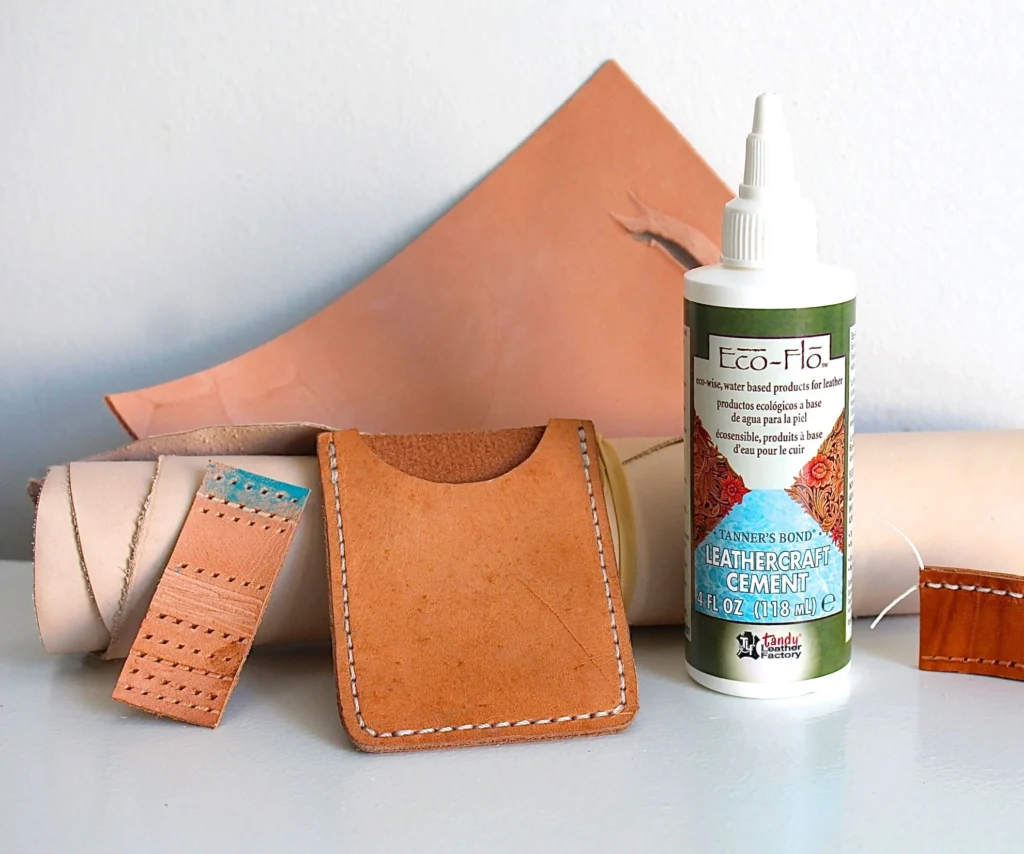
As a DIY enthusiast or a professional craftsman, working with leather can be both rewarding and challenging. One of the most common problems people face when working with leather is adhesion – getting it to stick properly to other materials like wood, plastic, metal, or even itself. In this article, we’ll explore the best ways to bond leather, discuss the different types of adhesives available, and provide you with some expert tips on how to achieve professional-looking results.
Understanding Leather Adhesion
Leather is a unique material that requires special consideration when it comes to adhesion. Unlike other materials like wood or plastic, leather can stretch, shrink, or even swell depending on the conditions. This makes it essential to choose the right adhesive for the job and to follow proper application techniques.
Leather adhesion is influenced by several factors, including:
- Type of leather: Different types of leather have varying levels of adhesion properties. For example, full-grain leather tends to be more prone to adhesion issues than top-grain or bonded leather.
- Surface preparation: The condition and cleanliness of the surface can significantly impact adhesion. Any dirt, dust, or oils on the surface can prevent the adhesive from bonding properly.
- Environmental conditions: Exposure to extreme temperatures, humidity, or light can affect the adhesion properties of leather.
The Best Adhesives for Leather
There are several types of adhesives that are suitable for bonding leather, including:
- Cyanacrylate-based adhesives: These are commonly used in the industry and offer excellent adhesion properties.
- Contact adhesives: These are suitable for bonding leather to other materials like wood or plastic.
- Vinyl-based adhesives: These are often used for bonding leather to metal or other surfaces.
When selecting an adhesive, it’s essential to consider the type of surface you’re working with and the conditions it will be exposed to. For example, if you’re bonding leather to wood, a contact adhesive like Bostik Pelle e Cuoio may be the best option. However, if you’re working on a project that involves exposure to water or extreme temperatures, a vinyl-based adhesive like Attak may be more suitable.
Choosing the Right Adhesive
When selecting an adhesive, consider the following factors:
- Surface compatibility: Choose an adhesive that is compatible with the surface you’re bonding.
- Adhesion properties: Select an adhesive that offers excellent adhesion properties for your specific application.
- Environmental resistance: Consider the environmental conditions the bonded material will be exposed to and choose an adhesive that can withstand them.
Some popular adhesives for leather include:
- Bostik Pelle e Cuoio: A contact adhesive suitable for bonding leather to wood or plastic.
- Attak: A vinyl-based adhesive often used for bonding leather to metal or other surfaces.
- Gesso: A bonding agent that can be used to improve the adhesion properties of leather.
Application Techniques
Regardless of which adhesive you choose, proper application techniques are crucial for achieving professional-looking results. Here are some tips to keep in mind:
- Clean the surfaces: Make sure both surfaces are clean and free of dust, dirt, or other contaminants.
- Apply a small amount of adhesive: Use a brush or applicator to apply a small amount of adhesive to one surface only.
- Hold the surfaces together: Hold the surfaces together for a few seconds to ensure proper bonding.
Tips and Tricks
Here are some additional tips and tricks to help you master leather adhesion:
- Use a bonding agent: If you’re working with a particularly stubborn or stretchy material, consider using a bonding agent like Gesso or PVA glue.
- Apply multiple coats: Depending on the type of adhesive you’re using, you may need to apply multiple coats to achieve the desired level of adhesion.
- Avoid over-bonding: Make sure not to over-bond your leather surfaces, as this can cause them to become stiff or brittle.
Common Mistakes to Avoid
Here are some common mistakes to avoid when working with leather adhesives:
- Using the wrong adhesive: Choose an adhesive that’s specifically designed for bonding leather.
- Applying too much adhesive: Use a small amount of adhesive and apply it evenly.
- Not holding the surfaces together long enough: Hold the surfaces together for a few seconds to ensure proper bonding.
Frequently Asked Questions
Here are some frequently asked questions about leather adhesion:
- What’s the best way to bond leather to wood?
- Use a contact adhesive like Bostik Pelle e Cuoio.
- How do I choose the right adhesive for my project?
- Consider the type of surface you’re working with and the conditions it will be exposed to.
- What’s the difference between cyanacrylate-based adhesives and vinyl-based adhesives?
- Cyanacrylate-based adhesives are more flexible and offer better adhesion properties, while vinyl-based adhesives are often used for bonding leather to metal or other surfaces.
By following these tips and techniques, you’ll be well on your way to mastering leather adhesion and achieving professional-looking results. Happy crafting!
Conclusion
Mastering leather adhesion requires a combination of the right adhesive, proper application techniques, and attention to surface preparation. By understanding the factors that influence leather adhesion and choosing the right adhesive for your project, you can achieve professional-looking results that last. Remember to avoid common mistakes like using the wrong adhesive or applying too much adhesive, and don’t be afraid to experiment with different bonding agents and techniques to find what works best for you.
With practice and patience, you’ll become a pro at leather adhesion in no time!


