
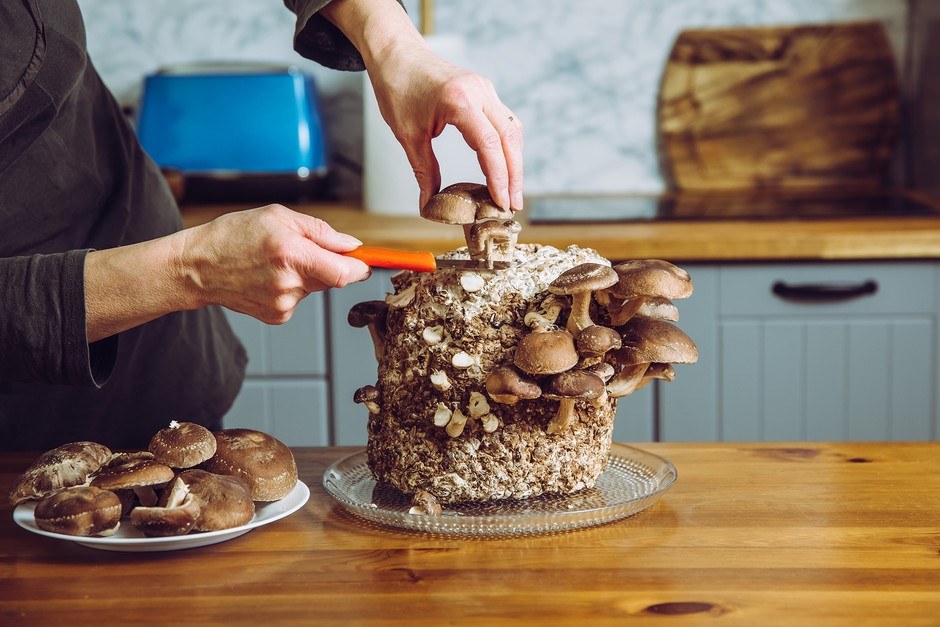
Growing Mushrooms: A Comprehensive Guide to Success
Are you fascinated by the world of mycology? With the increasing popularity of fungi in various industries, from food to medicine, cultivating mushrooms has become a sought-after skill. In this article, we’ll delve into the fascinating realm of mushroom cultivation, covering the basics, common challenges, and successful techniques for growing your own mushrooms.
Understanding the Challenges
Before embarking on a mushroom-growing journey, it’s essential to understand the limitations and potential obstacles that may arise. Not all mushroom species can be cultivated, and even those that can require careful consideration of factors like temperature, humidity, and substrate quality.
Saprophytes: The Mushrooms That Can Be Cultivated
One of the most commonly cultivated mushroom species is the oyster mushroom (Agaricus bisporus), also known as champignon. This saprophyte feeds on decaying organic matter and can be grown using a variety of substrates, including straw or compost.
A Brief History of Mushroom Cultivation
Mushroom cultivation has its roots in the 17th century, when French mushroom hunters developed techniques for cultivating oyster mushrooms. Today, mushroom farming is a thriving industry, with many varieties being grown commercially and enjoyed by consumers worldwide.
The Process of Growing Mushrooms
Growing mushrooms requires a controlled environment, including a temperature range between 24°C to 25°C (75°F to 77°F) during the initial stages of growth. The process typically involves the following steps:
Fermentation
The first step in growing mushrooms is fermentation, where the substrate (e.g., straw or compost) is allowed to break down and release nutrients.
- Initial Fermentation: This stage occurs outdoors or in a controlled environment, where the substrate is exposed to air and microorganisms begin to break it down.
- Indoor Fermentation: After the initial fermentation process, the substrate is transferred indoors, where it undergoes further microbial activity, resulting in a nutrient-rich compost.
Sowing
Once the fermentation process is complete, the next step is to sow mushroom spores onto the prepared substrate. Two varieties of oyster mushrooms are commonly used: Agaricus bisporus ‘Alba’ (white) and Agaricus bisporus ‘Caput-Morus’ (brown).
- Sowing Seeds: The seeds are mixed with the compost, ensuring they’re evenly distributed.
- Incubation: The mixture is then placed in a humid environment (24-25°C / 75-77°F) for approximately two weeks.
Mycelium Growth
After incubation, the mycelium (the vegetative part of the mushroom) begins to grow and colonize the substrate. The mycelium feeds on the nutrients released during fermentation, producing mushrooms as it grows.
- Temperature Control: The temperature is gradually lowered to 8-10°C (46-50°F) to slow down the growth process.
- Mycelium Growth: This stage can take several weeks, with mushrooms beginning to appear after approximately 10 days.
Additional Considerations
Other mushroom species that are commonly cultivated include:
- Oyster mushrooms (Pleurotus ostreatus) – known for their oyster-like appearance and edible caps.
- Shiitake mushrooms (Lentinula edodes) – prized for their rich, earthy flavor.
When growing mushrooms at home, it’s essential to maintain a clean environment, ensure proper temperature control, and monitor humidity levels. With patience and practice, you can successfully cultivate your own mushrooms and enjoy the rewards of this rewarding hobby.
Frequently Asked Questions
Q: What is the best substrate for mushroom cultivation?
A: The choice of substrate depends on the type of mushroom being grown. Compost or straw are popular options for oyster mushroom cultivation, while other substrates may be more suitable for different species.
Q: How long does it take to grow mushrooms at home?
A: The time required for growing mushrooms can vary depending on factors like substrate quality, temperature control, and humidity levels. On average, you can expect to harvest mushrooms within 2-3 months of initial spore inoculation.
Q: Can I grow multiple species of mushrooms simultaneously?
A: Yes, it’s possible to cultivate multiple mushroom species at the same time. However, each species may require specific substrate and environmental conditions, so careful planning is necessary to ensure successful growth.
Q: How can I maintain a healthy environment for mushroom cultivation?
A: Maintaining a clean environment involves regular cleaning of equipment, providing adequate ventilation, and controlling temperature and humidity levels. Regular monitoring also helps detect any issues early on.
Q: Can I sell my homegrown mushrooms?
A: In most cases, it’s not recommended to sell your homegrown mushrooms without proper permits or licenses. Check local regulations regarding mushroom cultivation before attempting to market your products.
Growing Oyster Mushrooms: A Step-by-Step Guide
Oyster mushrooms are one of the most commonly cultivated species, and their versatility makes them an excellent choice for beginners. Here’s a step-by-step guide to growing oyster mushrooms:
Step 1: Prepare the Substrate
- Choose a substrate that is suitable for oyster mushroom cultivation, such as straw or compost.
- Sterilize the substrate by autoclaving it at 121°C (250°F) for 30 minutes.
Step 2: Inoculate the Substrate
- Use mushroom spores to inoculate the prepared substrate.
- Mix the spores with water to create a suspension, and then apply it to the substrate.
Step 3: Incubate the Substrate
- Place the inoculated substrate in a humid environment (24-25°C / 75-77°F) for approximately two weeks.
- Monitor the substrate’s temperature and humidity levels during this stage.
Step 4: Maintain the Environment
- Gradually lower the temperature to 8-10°C (46-50°F) to slow down the growth process.
- Monitor the environment regularly, ensuring that the temperature and humidity levels remain stable.
Step 5: Harvest Mushrooms
- After approximately 10 days, start harvesting oyster mushrooms when they reach a size of about 2-3 cm (0.8-1.2 in) in diameter.
- Cut the mushrooms at the base to avoid damaging the mycelium and ensuring continued growth.
Common Challenges and Solutions
Growing mushrooms can be challenging, especially for beginners. Here are some common issues and their solutions:
Issue 1: Contamination
- Solution: Regularly clean equipment, maintain proper ventilation, and monitor temperature and humidity levels to prevent contamination.
Issue 2: Poor Growth
- Solution: Ensure that the substrate is properly sterilized, the environment is maintained at the optimal temperature and humidity levels, and the mycelium has enough nutrients.
Issue 3: Pests or Diseases
- Solution: Regularly inspect your mushroom crop for signs of pests or diseases, and take action promptly if you notice any issues.
By following these guidelines and adopting best practices for mushroom cultivation, you can successfully grow delicious, healthy mushrooms at home. Happy growing!


