
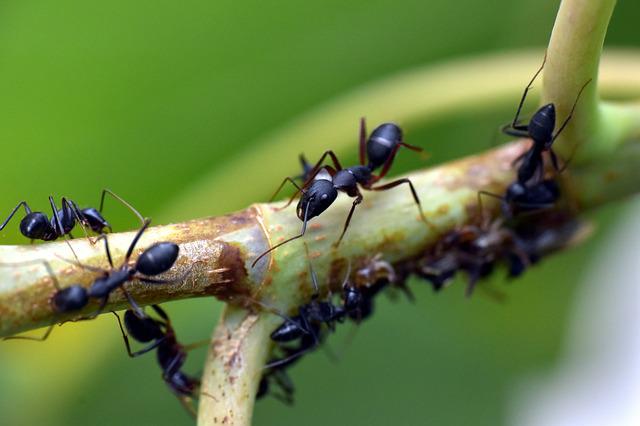
Garden ants can be a nuisance when they infest your plants, fruit trees, and potted plants. These social insects live in colonies, following strict hierarchies and roles. With over 6,000 known species, there are three main types of garden ants you’ll encounter: the black ant (Lasius niger), the Argentine ant (Linepithema humile), and the Egyptian ant (Monomorium pharaonis). Understanding the behavior and characteristics of these ants is crucial in developing effective control methods.
Identifying Garden Ants
Black ants are common in gardens and orchards, while Argentine ants and Egyptian ants are less frequent but can be found in pots, containers, and flowerbeds. These ants are relatively small, with body lengths ranging from 2 to 5 mm for black ants and just 1-2 mm for Argentine and Egyptian ants. The color of garden ants can also help identify them: black ants have a shiny black exoskeleton, while Argentine and Egyptian ants appear reddish-brown.
Are Garden Ants Beneficial or Harmful?
Garden ants play a role in the ecosystem by controlling aphid populations, pollinating flowers, and helping to recycle nutrients. These activities contribute significantly to maintaining a balanced garden environment. However, some species of garden ants are agricultural pests that can damage crops, carry diseases, and infest homes. For example, the Argentine ant is known to transmit fungal diseases such as smut.
The Argentine ant is also notorious for its ability to displace native species by outcompeting them for resources like food and shelter. Additionally, these ants can infest home basements, kitchens, and other living spaces, causing significant economic losses due to damage to property and the spread of disease.
Preventing Ant Invasions
Before eliminating ants from your garden or potted plants entirely, consider controlling their population instead. Planting certain herbs like garlic around the perimeter of your garden may repel ants, as well as using a homemade solution with garlic and water or applying crushed eggshells to areas where ants are present.
Some species of ants prefer sweet-tasting substances over savory ones; therefore incorporating citrus peels into potting mixes can deter them from entering. Other methods for preventing ant invasions include:
- Regular cleaning: Removing crumbs, spills, and other debris that might attract ants can prevent infestations.
- Sealing entry points: Caulk cracks in walls, floors, and windows to prevent ants from entering your home or garden.
- Eliminating standing water: Keep your yard free of standing water sources like pet dishes, flower vases, and clogged drains.
Using Insecticides
Insecticides should be considered last resort due to potential toxicity risks; however, biologically approved products containing pyrethrin can effectively deter ants from entering into the garden spaces. Pyrethrin-based insecticides are generally safer for your family and pets while still being effective against ants.
When using insecticides, always follow product instructions to ensure effectiveness while minimizing potential side effects. Some popular options include:
- Zapi Garden Bia Verde: This pyrethrin-based product can be used on plants and garden spaces to prevent ant infestations.
- Ortho Home Defense Insect Killer: This product contains permethrin, a synthetic version of pyrethrin, and is effective against ants, spiders, and other pests.
Frequently Asked Questions
Q: What is the typical lifespan of a garden ant?
A: The average lifespan of a garden ant varies depending on its role within the colony and environmental factors. Workers typically live for 1-3 years, while queens can live up to 5-10 years. Queens are responsible for laying eggs and ensuring the colony’s survival.
Q: Can I use chemical pesticides against ants?
A: Chemical pesticides should be used with caution due to potential toxicity risks; however, biologically approved products containing pyrethrin are generally safer for your family and pets while still being effective against ants.
Q: How can I prevent ant invasions in my garden or potted plants?
A: Certain herbs like garlic can repel ants from entering the area around your garden. Additionally, homemade solutions with crushed eggshells or a pyrethrin-based product containing pyrethrine might help keep them away.
Q: Are all garden ant species agricultural pests?
A: Not all garden ant species are harmful to agriculture; however, some can spread diseases and infest homes if not controlled effectively. For example, the Argentine ant is known to transmit fungal diseases and displace native species.
Q: Can I use insecticides on plants with aphids?
A: If you do decide to use an insecticide on your plants containing aphids, make sure it is biologically approved and follow the product instructions carefully.
Q: How do I clean up ant colonies from my home?
A: Using a pyrethrin-based product and thoroughly cleaning surfaces where ants are present may help eliminate the colony. Remove any food or water sources that might attract other pests to the area.
Understanding the Life Cycle of Garden Ants
To effectively control garden ant populations, it’s essential to understand their life cycle. The process typically involves four stages: egg, larva, pupa, and adult.
- Egg stage: Queens lay eggs in the soil or on plants, which hatch into larvae after a few weeks.
- Larval stage: Larvae feed on food sources provided by the colony and grow, eventually developing into pupae.
- Pupal stage: Pupae undergo metamorphosis, transforming into adult ants that take over the role of workers or queens.
- Adult stage: Adults perform various tasks within the colony, such as foraging, caring for young, and defending the colony.
Controlling Garden Ant Infestations
To control garden ant infestations, consider a multi-step approach:
- Identify the species: Understanding the type of ant you’re dealing with can help determine the most effective control methods.
- Eliminate food sources: Remove any sweet-tasting substances or crumbs that might attract ants to your plants and home.
- Seal entry points: Caulk cracks in walls, floors, and windows to prevent ants from entering your home or garden.
- Use insecticides (as a last resort): Biologically approved products containing pyrethrin can effectively deter ants from entering into the garden spaces.
Natural Methods of Controlling Garden Ants
In addition to using insecticides, there are several natural methods that can help control garden ant populations:
- Garlic: Planting garlic around the perimeter of your garden or mixing crushed garlic with water and applying it to plants may repel ants.
- Eggshells: Crushing eggshells and sprinkling them around plants can deter ants from entering.
- Citrus peels: Incorporating citrus peels into potting mixes can repel ants due to their strong scent.
Chemical-Free Methods of Controlling Garden Ants
For those looking for chemical-free methods, consider the following:
- Diatomaceous earth: This natural powder dehydrates and kills ants by breaking down their exoskeleton.
- Vinegar: Mixing equal parts water and white vinegar with a spray bottle can help repel ants.
Conclusion
Garden ants are social insects that live in colonies, following strict hierarchies and roles. While they play a role in controlling aphid populations and pollinating flowers, some species can be agricultural pests that cause significant economic losses due to damage to property and the spread of disease. Understanding the behavior and characteristics of these ants is crucial in developing effective control methods.
In addition to using insecticides, consider preventing ant invasions by planting certain herbs, sealing entry points, and removing food sources. Natural methods like garlic, eggshells, and citrus peels can also help repel ants from entering your garden or potted plants.


