
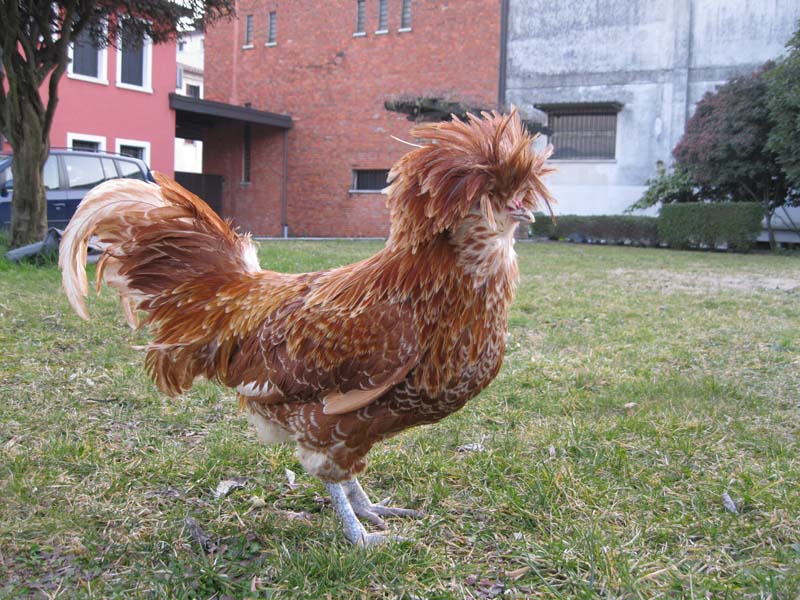
Gallina Padovana: A Rare and Unique Breed
As we delve into the world of chicken breeds, one name stands out among the rest: Gallina Padovana. This ornamental breed has captured the hearts of many, thanks to its unique appearance and charming demeanor. But what makes the Padovan Chicken so special?
Origins and History
The origins of the Gallina Padovana are shrouded in mystery, but historians believe that this breed may have been created through cross-breeding between various European chicken breeds, such as the Polish, Dutch, and Houdan.
Despite its popularity, the number of Padovan Chickens dwindled to almost zero by the 1960s. However, thanks to the efforts of dedicated breeders, this breed has been revived and is now thriving once again.
Characteristics and Appearance
The Gallina Padovana is renowned for its distinctive appearance, featuring a conical-shaped skull with a prominent protuberance, covered in an impressive plume of feathers. This stunning plumage is complemented by a “beard” of feathers under the chin and small “ears” that peek out from beneath the plumes.
One of the most striking features of the Padovan Chicken is its elegant and deliberate gait. Its blue-black legs are almost a trademark, setting it apart from other breeds like the Valdarno Black Hen.
The Gallina Padovana’s plumage comes in a variety of colors, including white, black, argent-Black Orlata, blue orlata, camoscio orlata with white, and gold orlata. This diversity of color makes each bird unique and adds to its allure.
Gallina Padovana Ovaiola: A Dual-Purpose Breed
While the Gallina Padovana is often prized for its ornamental value, it also excels as an egg-layer. This breed produces an average of 150-180 eggs per year, with a high-quality white egg that’s highly sought after.
The Gallina Padovana Ovaiola is particularly well-suited to small-scale farms and backyard flocks, where the emphasis is on quality over quantity. The breed’s moderate egg production and rich flavor make it an excellent choice for consumers looking for a more sustainable food option.
Some farmers choose to raise Padovan Chickens for their meat production, which offers a unique and flavorful product. The flesh is lean and dark, making it a standout in the market.
Gallina Padovana Bianca e Nera: A Rare Variety
The Federazione Italiana delle Associazioni Avicole recognizes nine different color varieties of the Gallina Padovana, including:
- White and Black (monochromatic)
- Argent-Black Orlata
- Blue orlata
- Camoscio orlata with white
- Gold orlata
Each of these colors offers a unique charm and character, making the Gallina Padovana Bianca e Nera a true standout in the world of chicken breeds.
Breeding and Raising Gallina Padovanas
Breeding and raising Gallina Padovanas requires a deep understanding of their specific needs and requirements. Here are some key factors to consider:
- Space: Gallina Padovanas require ample space to roam and exercise, making them well-suited to large-scale farms or backyard flocks with plenty of room to spread out.
- Diet: A balanced diet that includes a mix of grains, proteins, and vegetables is essential for maintaining the health and well-being of your Gallina Padovana flock.
- Climate: Gallina Padovanas are relatively hardy, but they still require protection from extreme temperatures and weather conditions. A warm and dry climate is ideal for breeding and raising these birds.
- Health: Regular veterinary check-ups and proper care can help prevent health issues like respiratory problems and parasites.
Conclusion
The Gallina Padovana is a true treasure of Italian poultry breeding. With its stunning appearance, charming demeanor, and versatility as both an ornamental breed and egg-layer, it’s no wonder that this chicken has captured the hearts of many.
Whether you’re a seasoned breeder or just starting out, the Gallina Padovana is sure to delight with its unique characteristics and captivating presence. By understanding more about this rare and unique breed, you’ll be better equipped to appreciate its charms and provide it with the care it deserves.
Frequently Asked Questions
- What is the average lifespan of a Gallina Padovana?
The average lifespan of a Gallina Padovana is 5-7 years. - How often do Gallina Padovanas lay eggs?
Gallina Padovanas typically lay eggs every 24 hours, but this frequency can vary depending on factors like nutrition and environment. - Can I keep a Gallina Padovana as a pet?
Yes, Gallina Padovanas make great pets for families or individuals who are willing to provide proper care and attention. - Are Gallina Padovanas suitable for commercial egg production?
While Gallina Padovanas can produce high-quality eggs, their breed characteristics may not be ideal for large-scale commercial egg production. - Can I feed my Gallina Padovana a diet of table scraps?
No, it’s essential to provide your Gallina Padovana with a balanced and nutritious diet that meets its specific needs as an ornamental or egg-laying breed. - How do I care for my Gallina Padovana’s plumage?
Regular grooming is essential to maintain the health and appearance of your Gallina Padovana’s stunning plumage. - Can I breed a Gallina Padovana with another breed?
It’s generally not recommended to crossbreed a Gallina Padovana with another breed, as this can compromise its unique characteristics and potentially lead to health issues. - Are there any specific health concerns associated with the Gallina Padovana?
While generally healthy, Gallina Padovanas are susceptible to certain health issues like respiratory problems and parasites. Regular veterinary check-ups and proper care can help prevent these issues.
Additional Tips for Breeding and Raising Gallina Padovanas
- Keep records: Keeping accurate records of your breeding program, including egg production, fertility rates, and overall health, will help you identify trends and make informed decisions about future breeding efforts.
- Choose healthy parents: Selecting healthy and fertile parent birds is crucial for producing high-quality offspring. Look for birds with strong plumage, good egg-laying abilities, and a robust immune system.
- Monitor temperature: Gallina Padovanas are sensitive to extreme temperatures, so ensure that your flock has access to shade, shelter, and adequate ventilation during hot or cold weather.
- Provide enrichment activities: Incorporating activities like foraging, dust-bathing, and social interaction into your breeding program can help reduce stress and promote overall health.
By following these tips and taking the time to learn more about this incredible breed, you’ll be well on your way to creating a thriving and successful Gallina Padovana flock.


