
Vegetables are a staple in our diets, providing essential nutrients like vitamins, minerals, and fiber that promote overall health. However, not all cooking methods are created equal when it comes to preserving these nutrients. In this article, we’ll explore the different ways to cook vegetables, highlighting the most effective and healthy methods.
The Dangers of Overcooking Vegetables
While some people believe that overcooking vegetables makes them more digestible and hygienic, the opposite is true. When vegetables are cooked for too long, they can lose their natural flavor and nutritional value. In fact, excessive heat can break down these delicate compounds, rendering them ineffective.
The Best Cooking Methods for Vegetables
Fortunately, there are several cooking methods that can help preserve the nutrients in vegetables while still allowing you to enjoy their natural flavor. Here are some of the most effective methods:
Steaming: The Healthiest Method
Steaming is often considered the healthiest way to cook vegetables because it uses minimal water and heat. This method allows the vegetables to retain their natural flavor and nutrients, making them a great option for those looking to minimize cooking time.
How to Steam Vegetables
To steam vegetables, simply place them in a steamer basket over boiling water, cover with a lid, and let cook for 3-5 minutes or until tender. You can also add aromatics like garlic and lemon juice to enhance the flavor.
Roasting: Bringing Out the Flavor
Roasting is another popular cooking method that can bring out the natural sweetness in vegetables. By using dry heat, roasting helps caramelize the vegetables’ natural sugars, creating a rich and flavorful dish.
How to Roast Vegetables
To roast vegetables, preheat your oven to 425°F (220°C). Toss the vegetables with olive oil, salt, and pepper, and spread them out on a baking sheet. Roast for 20-30 minutes or until tender, flipping halfway through.
Sautéing: Quick and Easy
Sautéing is a fast and easy way to cook vegetables, perfect for those short on time. This method uses minimal water and heat, preserving the nutrients in the vegetables.
How to Sauté Vegetables
To sauté vegetables, heat some oil in a pan over medium-high heat. Add the vegetables and a pinch of salt, stirring frequently until tender. You can also add aromatics like garlic and ginger for added flavor.
Grilling: Adding Smoky Flavor
Grilling is another popular cooking method that adds smoky flavor to vegetables. By using high heat, grilling helps caramelize the vegetables’ natural sugars, creating a delicious and healthy dish.
How to Grill Vegetables
To grill vegetables, preheat your grill to medium-high heat. Brush the vegetables with olive oil and season with salt and pepper. Grill for 3-5 minutes per side or until tender, flipping halfway through.
Boiling: A Simple Method
Boiling is a simple way to cook vegetables, requiring minimal equipment. However, this method can also lead to nutrient loss if not done correctly.
How to Boil Vegetables
To boil vegetables, fill a pot with water and bring to a boil. Add the vegetables and cook for 3-5 minutes or until tender. Drain and rinse with cold water to stop cooking.
Stewing: A Hearty Option
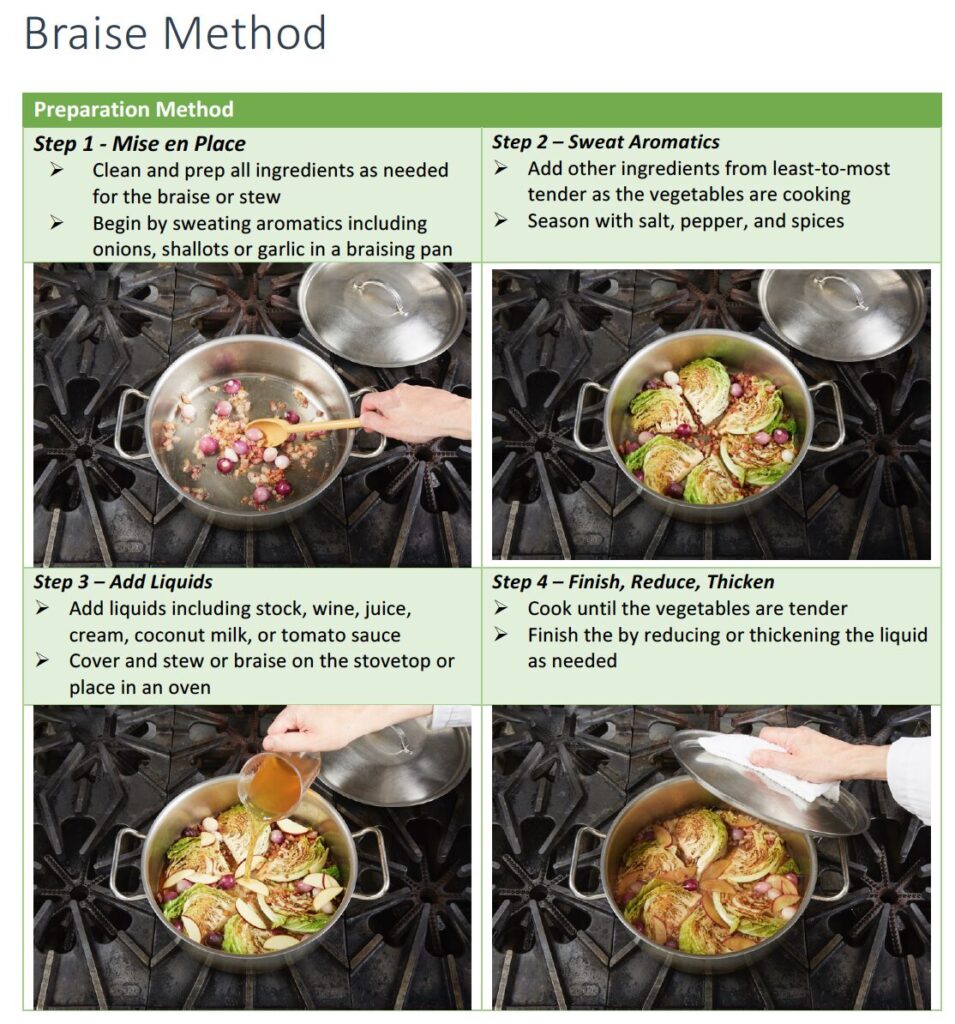
Stewing is a hearty option that allows you to cook vegetables in liquid, making them tender and flavorful. This method also helps retain nutrients, as the liquid acts as a protective barrier.
How to Stew Vegetables
To stew vegetables, combine them with your choice of liquid (stock, water, or wine) and aromatics like garlic and onion. Bring to a boil, then reduce heat and simmer for 20-30 minutes or until tender.
Air Frying: A Healthy Alternative
Air frying is a healthier alternative to deep-frying, using minimal oil to crisp vegetables to perfection.
How to Air Fry Vegetables
To air fry vegetables, preheat your air fryer to 375°F (190°C). Toss the vegetables with oil and season with salt and pepper. Cook for 5-7 minutes or until crispy, shaking halfway through.
Pan-Frying: A Quick Option
Pan-frying is a quick option that uses minimal water and heat, preserving the nutrients in vegetables.
How to Pan-Fry Vegetables
To pan-fry vegetables, heat some oil in a pan over medium-high heat. Add the vegetables and a pinch of salt, stirring frequently until tender.
Microwaving: A Convenient Option
Microwaving is a convenient option that uses minimal time and energy. However, this method can also lead to nutrient loss if not done correctly.
How to Microwave Vegetables
To microwave vegetables, place them in a microwave-safe dish with a tablespoon of water. Cover with a lid or plastic wrap and cook on high for 30-60 seconds or until tender.
Canning: A Permanent Solution
Canning is a permanent solution that allows you to preserve vegetables for future use. However, this method requires special equipment and expertise.
How to Can Vegetables
To can vegetables, follow the manufacturer’s instructions for equipment and procedures. Sterilize jars and lids, fill with hot vegetables, and process in a boiling water bath for 10-30 minutes or until tender.
Freezing: A Convenient Storage Option
Freezing is a convenient storage option that allows you to preserve vegetables for future use. This method also helps retain nutrients, as the cold temperature slows down nutrient loss.
How to Freeze Vegetables
To freeze vegetables, blanch them in boiling water for 2-3 minutes or until tender. Shock in an ice bath and then transfer to airtight containers or freezer bags. Label and store in the freezer for up to 6 months.
Drying: A Long-Term Solution
Drying is a long-term solution that allows you to preserve vegetables for extended periods. This method also helps retain nutrients, as the dry heat slows down nutrient loss.
How to Dry Vegetables
To dry vegetables, slice or chop them into thin strips. Place on a dehydrator sheet and dry at 135°F (57°C) for 6-8 hours or until crispy.
Tips and Tricks
Here are some additional tips and tricks to help you cook vegetables like a pro:
- Use fresh and organic produce whenever possible.
- Choose the right cutting tools, such as sharp knives and vegetable peelers.
- Experiment with different seasonings and aromatics to enhance flavor.
- Don’t overcrowd your cooking vessel, allowing for even cooking and nutrient retention.
By incorporating these healthy cooking methods into your diet, you can enjoy delicious and nutritious vegetables while minimizing nutrient loss. Whether you’re a seasoned chef or a beginner cook, these tips will help you create mouth-watering dishes that are both tasty and good for you.


