
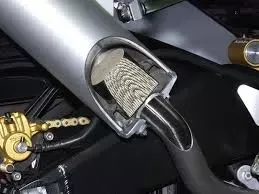
Catalytic converters are a crucial component of modern vehicles, playing a vital role in reducing emissions and improving air quality. But what exactly do they do, and how do they work? In this article, we’ll delve into the world of catalytic converters, exploring their history, function, and importance.
What is a Catalytic Converter?
In chemistry, a catalyst is a substance that speeds up a chemical reaction without being consumed or altered in the process. In the context of vehicles, catalytic converters serve as a crucial component in the exhaust system, using a combination of metals and ceramics to convert pollutants into harmless gases.
History of Catalytic Converters
The first catalytic converter was introduced in the 1970s, as part of the US government’s efforts to reduce emissions from vehicles. These early systems were prone to clogging and failure, but modern designs have improved significantly, with many converters now lasting for hundreds of thousands of miles.
How Catalytic Converters Work
So, how do catalytic converters actually work? The process is quite fascinating:
- When a vehicle’s engine runs, it produces exhaust gases that contain pollutants like carbon monoxide (CO), hydrocarbons (HC), and nitrogen oxides (NOx).
- These pollutants are directed into the catalytic converter, where they’re converted into harmless gases like carbon dioxide (CO2), water vapor (H2O), and nitrogen.
- The converter uses a combination of platinum, palladium, and rhodium to facilitate this process. These precious metals help to break down the pollutants, allowing them to be released harmlessly into the atmosphere.
Catalytic Converters in Vehicles
Catalytic converters can be found in both gasoline-powered vehicles and diesel engines. In fact, many modern cars come equipped with multiple converters, which work together to ensure optimal performance and emissions reduction.
- In gasoline-powered vehicles, catalytic converters are typically located in the exhaust system, usually behind the muffler.
- Diesel engines often have a different design, with the converter integrated into the diesel particulate filter (DPF).
- Some newer models also feature selective catalytic reduction (SCR) systems, which use additional components to reduce emissions even further.
Catalytic Converters in Motorcycles
Motorcycle catalytic converters are similar to those found in cars, but often have a few key differences. For example:
- Motorcycle converters tend to be smaller and more compact, due to the reduced size of the engine.
- They may also use different materials or designs, depending on the specific make and model.
The Importance of Catalytic Converters
So why are catalytic converters so important? Here are just a few reasons:
- By reducing emissions, catalytic converters help to improve air quality and protect public health.
- They also play a crucial role in meeting environmental regulations and standards.
- In addition, converters can help vehicles achieve better fuel efficiency and performance.
Common Issues with Catalytic Converters
While catalytic converters are generally reliable, there are some common issues that can arise:
- Clogging or failure due to wear and tear
- Incorrect installation or maintenance
- Contamination from pollutants or debris
Maintenance and Replacement
To ensure optimal performance and longevity, regular maintenance is crucial. Here are a few tips:
- Have your vehicle inspected by a professional mechanic every 15,000 to 30,000 miles.
- Check the coolant and oil levels regularly to prevent overheating and engine damage.
- Avoid driving in extreme temperatures or towing heavy loads, which can put additional stress on the catalytic converter.
Conclusion
In conclusion, catalytic converters play a vital role in modern vehicles, serving as a crucial component in reducing emissions and improving air quality. By understanding how they work and their importance, we can better appreciate the technology that keeps our roads cleaner.
Frequently Asked Questions (FAQs)
- What is the purpose of a catalytic converter?
- A catalytic converter reduces emissions by converting pollutants into harmless gases.
- How do catalytic converters work?
- Catalytic converters use a combination of metals and ceramics to convert pollutants into harmless gases.
- Are all vehicles equipped with catalytic converters?
- Most modern vehicles feature one or more catalytic converters, but some older models may not.
- Can I remove my catalytic converter without penalty?
- In most cases, yes – but be aware of local regulations and potential fines for non-compliance.
- How often should I replace my catalytic converter?
- The lifespan of a catalytic converter varies depending on the vehicle and driving conditions; consult your owner’s manual for guidance.
Staying Ahead of the Curve
To stay up-to-date with the latest developments in catalytic converters, follow these tips:
- Regularly check for software updates or new models from your vehicle manufacturer.
- Attend local car shows or workshops to learn from experts and network with other enthusiasts.
- Join online forums or social media groups to share knowledge and best practices.
By understanding more about catalytic converters, you can appreciate their importance and take steps to maintain them effectively. Stay informed, stay ahead!


