
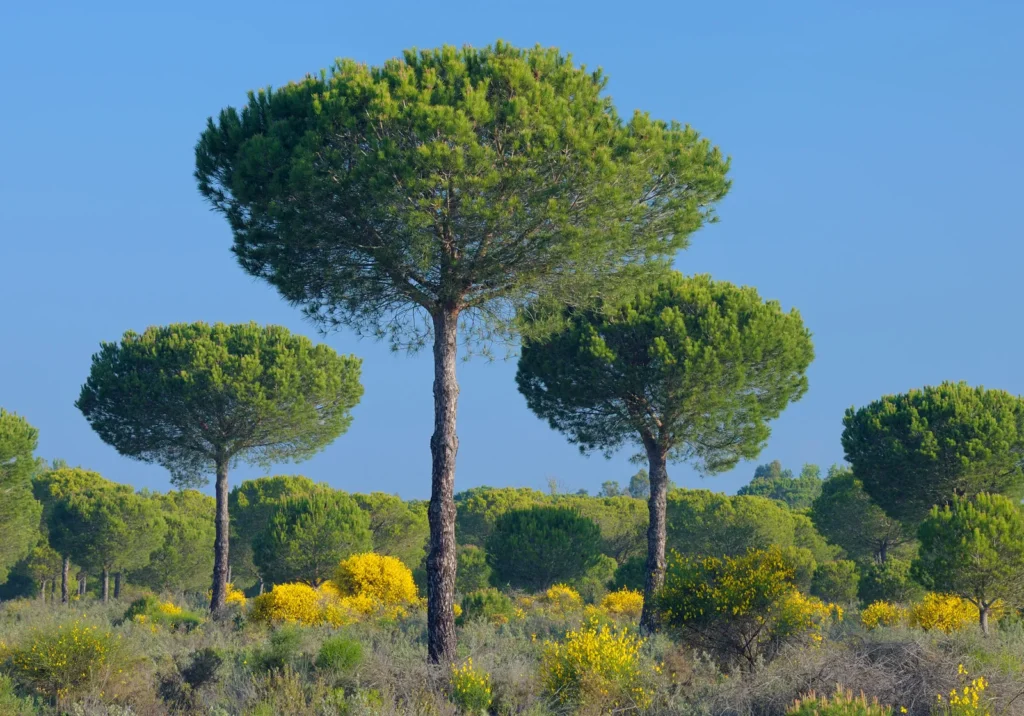
As an evergreen tree, the cembral pine (Pinus cembra) is perfectly adapted to the harsh mountain climates where it thrives under the force of the wind and extreme weather conditions. Its distinctive scent, derived from the essential oils contained in its wood, has proven beneficial for mood and relaxation, with studies showing that spending a night in a room lined with cembral pine wood reduces heart rate and promotes deeper sleep.
Lightweight and Easy to Work With
Cembra pine wood is lightweight and easy to work with, making it an ideal material for constructing furniture, decorative wall coverings, and everyday objects. Its versatility has made it a popular choice among craftsmen and designers for centuries. The density of the wood, which ranges from 0.3 to 1.2 g/cm³, allows for intricate carvings and ornate designs, while its natural resistance to decay makes it suitable for outdoor applications.
Resistant Wood
Throughout its lifespan, cembral pines are subjected to numerous challenges. They can tolerate temperatures ranging from -40°C to +40°C, making them one of the most resilient tree species native to mountainous regions. This resistance enables the cembra pine to thrive in areas where other tree species cannot survive, often serving as the upper boundary of alpine forests. The wood’s natural oils and waxes provide additional protection against moisture, making it resistant to rot and insect damage.
Associating with Other Tree Species
Cembral pines typically grow alongside other tree species like larches, rose bushes, and blueberries, but unlike larches, which act as pioneer species, cembra pines colonize areas only when the soil provides an adequate layer of rough, acidic humus. This selective growth pattern allows the cembra pine to establish a strong root system, enabling it to thrive in nutrient-poor environments.
Recognizing Cembra Pine
The cembra pine is easily recognizable due to its unique characteristic of having five aces per sprig. Individual trees can reach heights of up to 25 meters and diameters of 1.7 meters, making their trunks susceptible to weather conditions and fragile enough that damage from snowfall, lightning strikes, or strong winds are common occurrences.
Despite these challenges, cembra pines are also known for their tenacity in the face of harsh weather, with lateral sprouts capable of coping well even during fierce storms. The tree’s evergreen foliage provides insulation against extreme temperatures, allowing it to maintain its structural integrity in harsh environments.
Flowering Cembra Pine
Cembra pine flowers bloom after approximately 60 years, appearing at the top third of the tree’s crown and being difficult to see from the ground. The male and female flowers are strategically positioned for optimal wind dispersal, ensuring the pollination process is effective. After pollination, the female inflorescences grow into long cones containing up to 150 seeds, each weighing about a quarter gram.
These seeds have a nutritious and delicious interior, often providing sustenance for animals living in the forest ecosystem. The cembra pine’s reproductive strategy involves a complex process of seed dispersal, which allows it to maintain genetic diversity within its population.
Cembra Pine Distribution
Most cembral pine trees are found in continental subalpine regions between 1,300 and 2,500 meters above sea level. The species is native to the Alps and Carpathian Mountains. During the last ice age, they were displaced from their original habitats but eventually returned to the region around 7,000 years ago.
However, since then, cembral pines have gradually retreated to higher altitudes due to global warming and competition from the red oak (Quercus rubra) invasion in pastures and timber harvesting of forest floors. This retreat has led to isolated small populations being left behind in dry alpine valleys exposed to large temperature fluctuations.
Recent Genetic Studies
Recent genetic studies have shown that the cembra pine lost part of its genetic diversity during its migration from Eastern Alpine to Western Alpine regions. Additionally, the long-term decline in population size may have contributed to this loss of genetic diversity.
While these findings indicate that the long-term survival of cembral pines is not guaranteed, other factors such as climate change may further threaten their existence. The study of genetic diversity and its relationship with environmental pressures provides valuable insights into the conservation efforts for this species.
Challenges Facing Cembra Pine Populations
Climate-related changes pose significant challenges to cembra pine populations, including intense rainfall and higher temperatures. Young trees are particularly vulnerable to damage from increased fungal infections caused by melting snow and rain-soaked soils.
The future of these magnificent trees is uncertain as they face an array of environmental pressures that could impact their long-term survival. Rising temperatures can lead to drought stress, reducing the tree’s ability to produce new growth and increase its vulnerability to disease and pests.
Conservation Efforts
Efforts are underway to conserve cembra pine populations and protect their habitats from human activities such as timber harvesting and agriculture. The establishment of protected areas, such as national parks and nature reserves, provides a safe haven for these trees to thrive in the face of climate change.
Additionally, sustainable forest management practices can help maintain the health and resilience of cembra pine stands, reducing the risk of disease and pests. Education campaigns aimed at local communities can also raise awareness about the importance of preserving these unique tree species.
FAQs
-
Q: What is the cembra pine?
A: The cembra pine, also known as Pinus cembra, is a tree species native to the Alps and Carpathian Mountains. -
Q: How does the cembral pine contribute to the ecosystem?
A: As a food source for various animals, it plays a vital role in maintaining biodiversity within its forest habitat. -
Q: Why do cembra pines retreat from high-altitude areas?
A: Climate change and competition from other tree species are major factors contributing to their decline. -
Q: How does climate change affect cembra pine populations?
A: Rising temperatures, increased rainfall, and melting snow can lead to higher levels of fungal infections in young trees. -
Q: What is the significance of the cembral pine’s scent?
A: The tree’s distinctive aroma has proven to be beneficial for mood and relaxation. -
Q: How do cembra pines adapt to harsh weather conditions?
A: Their ability to withstand extreme temperatures and maintain tenacity in the face of severe weather makes them a resilient species. -
Q: Can cembral pine seeds be used as a food source?
A: Yes, they are nutritious and delicious, often providing sustenance for animals living in their forest ecosystem. -
Q: Is the long-term survival of cembra pines guaranteed?
A: No, due to environmental pressures such as climate change, it is uncertain if these magnificent trees will be able to thrive in the future. -
Q: How can we protect cembral pine populations from human activities?
A: Establishing protected areas, practicing sustainable forest management, and raising awareness about the importance of preserving these unique tree species are all essential steps towards conservation. -
Q: What role do cembra pines play in the forest ecosystem?
A: As a keystone species, cembra pines provide habitat for various animals and plants, while also influencing soil conditions and nutrient cycling through their roots and fallen leaves.


