
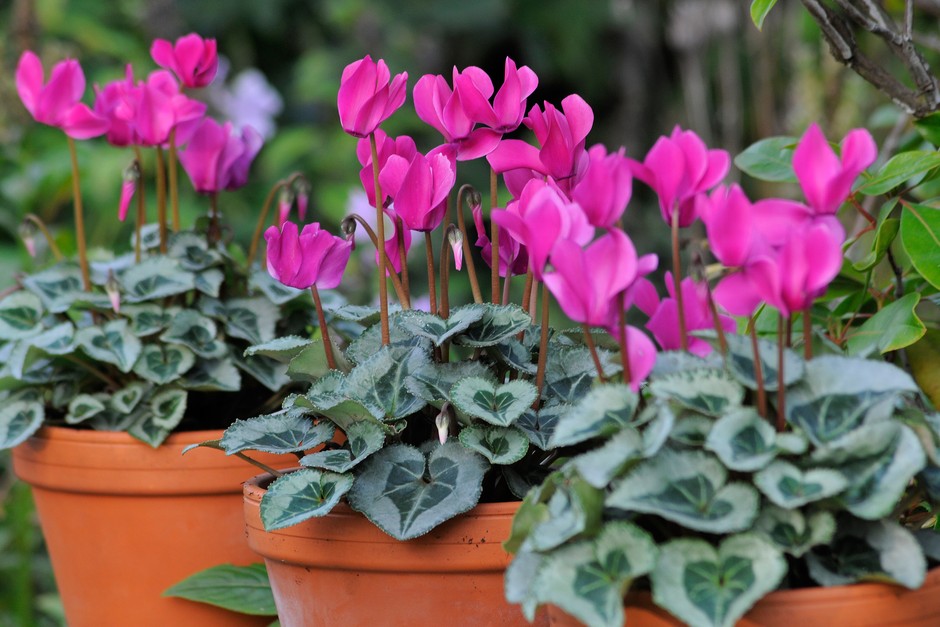
As the seasons change, one flower stands out for its beauty and enduring significance – the ciclamino. Also known as Cyclamen hederifolium, this perennial plant is a member of the Primulaceae or Myrsinaceae family. With many varieties to choose from, the ciclamino offers stunning flowers in various colors, making it a favorite among gardeners and flower enthusiasts.
The Ciclamino: A Flower with a Rich History
The name “ciclamino” originates from the Greek word “kyklos,” meaning circle. This refers to the plant’s unique shape, which has inspired many cultures throughout history. In ancient times, the ciclamino was considered a precious amulet against evil spirits and bad luck. It was also believed to possess aphrodisiac properties, making it a popular gift among young couples.
The use of the ciclamino dates back to ancient Greece and Rome, where it was highly valued for its beauty and symbolic meanings. The plant was often depicted in art and literature as a symbol of love, fertility, and good fortune. In medieval Europe, the ciclamino was used in folk medicine to treat a range of ailments, including fever, rheumatism, and skin conditions.
Ciclamino: A Flower of Many Colors
The ciclamino’s flowers come in various colors, including white, red, pink, and purple. The autumn season is the best time to see these blooms, as the cooler temperatures and high humidity allow the plant to produce its most vibrant flowers. Whether you prefer a classic white or a bold red, there’s a ciclamino variety to suit every taste.
Some of the most popular varieties of ciclamino include:
- Cyclamen persicum: This is one of the most widely cultivated species of ciclamino and produces bright pink flowers with white spots.
- Cyclamen coum: This variety has heart-shaped leaves and produces delicate, pale-pink flowers in the autumn.
- Cyclamen hederifolium: This species has attractive, glossy leaves and produces small, white or pink flowers that bloom in the spring.
Growing Ciclamino: Tips for Success
While growing ciclamino can be challenging, with proper care and attention, you can enjoy these beautiful blooms in your garden or indoor space. Here are some tips to get you started:
- Plant ciclamino in an area with partial shade and well-draining soil.
- Water the plant regularly, but avoid overwatering, which can lead to root rot.
- Fertilize the plant during the growing season to promote healthy growth and blooming.
- Prune the plant after it finishes blooming to encourage new growth and prevent overcrowding.
Ciclamino in Your Garden or Indoors
Whether you choose to grow ciclamino outdoors or indoors, make sure to provide it with the right conditions. Here are some tips for indoor growing:
- Place the plant near a north-facing window to filter direct sunlight.
- Keep the soil consistently moist but not waterlogged.
- Fertilize the plant regularly to promote healthy growth and blooming.
The Significance of Ciclamino
Beyond its beauty, ciclamino has also been imbued with symbolic meanings throughout history. In ancient Rome, it was believed to possess aphrodisiac properties and was used as a love charm. Today, the ciclamino is often seen as a symbol of friendship, loyalty, and commitment.
In many cultures, the ciclamino is also associated with good luck and prosperity. For example, in Japan, the plant is considered a symbol of good fortune and is often given as a gift to new couples. In Italy, it is believed to bring good luck and protection from evil spirits.
Ciclamino: A Versatile Flower
The ciclamino’s versatility extends beyond its beauty and symbolism. Its flowers can be used in various ways, including:
- Fresh flower arrangements
- Dried flowers for potpourri or wreaths
- Cut-and-come-again bouquets
The leaves of the ciclamino plant are also edible and can be used in salads or as a garnish for cocktails.
Where to Buy Ciclamino Seeds or Bulbs
If you’re interested in growing ciclamino, you can start with seeds or bulbs. Here are some options:
- Amazon offers a variety of ciclamino seeds and bulbs for sale.
- You can also find ciclamino seeds and bulbs at local nurseries or online plant retailers.
Propagation Methods
Ciclamino can be propagated through division, seed, or cuttings. Here are some methods to try:
- Division: Cut the roots of the parent plant into sections, making sure each section has a few leaves. Replant the divisions in well-draining soil and water regularly.
- Seed: Sow ciclamino seeds in a pot filled with moistened soil. Keep the soil consistently moist and provide indirect light until germination occurs.
- Cuttings: Take cuttings from mature plants by making a clean cut just above a node (where a leaf meets the stem). Root the cutting in water or soil, providing it with bright light and consistent moisture.
Common Problems
Ciclamino can be prone to certain problems, including:
- Pests: Aphids, whiteflies, and spider mites can infest ciclamino plants. Use neem oil or insecticidal soap to control infestations.
- Diseases: Leaf spot, powdery mildew, and root rot can affect ciclamino plants. Remove infected leaves or flowers, and treat the plant with fungicides if necessary.
Conclusion
The ciclamino is a beautiful and enduring flower that offers many benefits, from its stunning blooms to its symbolic meanings. With proper care and attention, you can enjoy these gorgeous flowers in your garden or indoor space. Whether you’re a seasoned gardener or just starting out, the ciclamino is sure to captivate your heart.
FAQs
- Q: What is the best way to care for ciclamino?
A: Ciclamino prefers partial shade and well-draining soil. Water regularly, but avoid overwatering. - Q: Can I grow ciclamino indoors?
A: Yes, but make sure to provide it with a north-facing window and keep the soil consistently moist. - Q: What is the significance of ciclamino in ancient cultures?
A: In ancient Rome, ciclamino was believed to possess aphrodisiac properties and was used as a love charm. - Q: Can I use ciclamino flowers for potpourri or wreaths?
A: Yes, dried ciclamino flowers can be used in various crafts and arrangements. - Q: Where can I buy ciclamino seeds or bulbs?
A: Amazon offers a variety of ciclamino seeds and bulbs for sale. You can also find them at local nurseries or online plant retailers. - Q: How often should I fertilize my ciclamino?
A: Fertilize your ciclamino regularly during the growing season to promote healthy growth and blooming. - Q: Can I propagate ciclamino from cuttings?
A: Yes, but it may be challenging. It’s recommended to start with seeds or bulbs for easier propagation. - Q: Are ciclamino plants toxic?
A: Some parts of the plant contain a toxic substance that can cause skin irritation in humans. Wear gloves when handling the plant. - Q: Can I grow ciclamino in cold climates?
A: Ciclamino prefers cooler temperatures and high humidity. In colder climates, it’s best to grow it indoors or provide protection from frost.
By following these tips and understanding the significance of ciclamino, you can enjoy this beautiful flower for years to come.


