
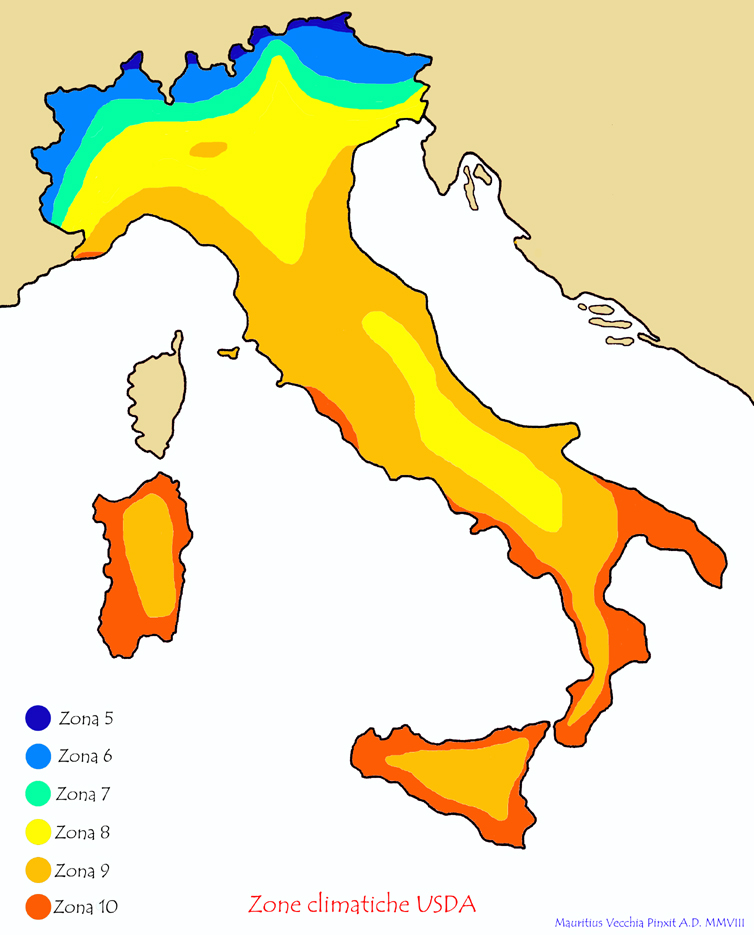
As a gardener, it’s essential to know the climate zones of Italy to determine which plants can thrive in your specific region. The United States Department of Agriculture (USDA) has classified Italy into seven climate zones, each with its unique characteristics. In this article, we’ll delve into the world of Italian climate zones and explore how they impact gardening.
What are Climate Zones?
Climate zones are designated areas within a country that have similar temperature patterns, precipitation levels, and growing seasons. The USDA’s climate zone classification is widely used to determine which plants can be grown in specific regions. However, it’s essential to note that Italy’s climate zones differ from those used for heating systems (A-F).
Italy’s Climate Zones: A Guide
There are seven climate zones in Italy, but only four of them have inhabited areas. The remaining three zones cover mountainous regions with extreme temperature fluctuations.
Zone 7: Alpine and Pre-Alpine Areas
- Temperatures range from -17°C to -12°C
- Characterized by a typical alpine climate, with inhabited areas experiencing cold winters
- Ideal for plants adapted to high altitudes and cold temperatures
Zone 7 is divided into two sub-zones:
- Zone 7a: The higher elevations of the Alps, where temperatures can drop as low as -25°C.
- Zone 7b: Lower elevations in the Alps, with temperatures ranging from -15°C to -10°C.
Zone 8: Pianura Padana and Central Apennines
- Temperatures range from -12°C to -6°C
- Encompasses the entire Po Valley and central Apennine regions
- Suitable for a wide range of plant species, including deciduous trees and shrubs
Zone 8 is further divided into two sub-zones:
- Zone 8a: The southern part of the Po Valley, where temperatures can drop as low as -18°C.
- Zone 8b: The northern part of the Po Valley, with temperatures ranging from -15°C to -10°C.
Zone 9: Liguria, Lake Garda, Romagna, Central Italy, and Southern Sicily/Sardinia
- Temperatures range from -6°C to -1°C
- Includes coastal areas in Liguria, Lake Garda, Romagna, central Italy, and southern Sicily/sardinia
- Plants adapted to moderate temperatures and high humidity thrive in this zone
Zone 9 is also divided into two sub-zones:
- Zone 9a: The northern part of the Adriatic coast, where temperatures can drop as low as -10°C.
- Zone 9b: The southern part of the Adriatic coast, with temperatures ranging from -8°C to -4°C.
Zone 10: Calabria, Puglia, Tuscany (Southern), and Liguria (Western)
- Temperatures range from -1°C to +4°C
- Characterized by mild winters and hot summers
- Suitable for plants that prefer warm temperatures and well-drained soil
Zone 10 is further divided into three sub-zones:
- Zone 10a: The southern part of Calabria, where temperatures can drop as low as -2°C.
- Zone 10b: The central part of Puglia, with temperatures ranging from -1°C to +3°C.
- Zone 10c: The western part of Liguria, including the city of Genoa, where temperatures range from 0°C to +5°C.
Understanding Microclimates
Italy’s climate zones are not uniform across all areas within a region. Microclimates, which refer to local weather patterns, can significantly impact plant growth and development. For example, the western coast of Liguria has a more moderate climate than the eastern part of the peninsula.
Microclimates can be influenced by various factors, including:
- Topography: Hills, valleys, and mountains can create localized weather patterns.
- Coastal influence: The ocean can moderate temperatures and humidity levels in coastal areas.
- Urbanization: Cities can alter local wind patterns and temperature fluctuations.
Choosing the Right Plants for Your Climate Zone
By understanding Italy’s climate zones and microclimates, you can select plants that are well-suited to your specific region. Consider factors such as temperature tolerance, humidity, and sunlight exposure when choosing plants for your garden.
Some general guidelines for selecting plants in each zone include:
- Zone 7: Choose plants adapted to high altitudes and cold temperatures, such as Alpine roses, gentians, and snowdrops.
- Zone 8: Select plants that can tolerate a wide range of temperatures, including deciduous trees like oak and beech.
- Zone 9: Opt for plants with moderate temperature tolerance, such as lavender, rosemary, and olive trees.
- Zone 10: Choose plants that prefer warm temperatures and well-drained soil, such as figs, grapes, and citrus trees.
Common Plant Species in Each Climate Zone
Here are some common plant species found in each climate zone:
Zone 7
- Alpine roses (Rosa alpina)
- Gentians (Gentiana acaulis)
- Snowdrops (Galanthus nivalis)
- Crocus (Crocus spp.)
- Wildflowers like bluebells and primroses
Zone 8
- Deciduous trees like oak (Quercus robur) and beech (Fagus sylvatica)
- Shrubs like pyracantha (Pyracantha coccinea) and holly (Ilex aquifolium)
- Vegetables like potatoes, carrots, and onions
- Fruits like apples, pears, and plums
Zone 9
- Lavender (Lavandula angustifolia)
- Rosemary (Rosmarinus officinalis)
- Olive trees (Olea europaea)
- Fig trees (Ficus carica)
- Citrus trees like lemons, oranges, and grapes
Zone 10
- Figs (Ficus carica)
- Grapes (Vitis vinifera)
- Citrus trees like lemons, oranges, and bergamot
- Olive trees (Olea europaea)
- Succulents like aloe vera and agave
Conclusion
Italy’s climate zones offer a wealth of information for gardeners looking to create thriving gardens in their respective regions. By understanding the characteristics of each zone and microclimate, you can choose plants that will flourish under your care.
Frequently Asked Questions (FAQs)
Q: What are the main differences between Italy’s climate zones?
A: The main difference lies in temperature ranges, precipitation levels, and growing seasons. Each zone has its unique characteristics, making it essential to select plants adapted to specific conditions.
Q: Can I grow plants from Zone 7 in my garden?
A: If you live in an inhabited area of Zone 7, you can still grow plants adapted to high altitudes and cold temperatures. However, be prepared for potential frost damage during winter months.
Q: How do microclimates impact plant growth?
A: Microclimates can significantly influence plant development, as they create localized weather patterns that differ from the surrounding area.
Q: Can I use plants from other climate zones in my garden?
A: While it’s possible to grow plants from different climate zones, ensure they are adapted to your specific region’s conditions. Incompatible plant species may struggle or fail to thrive.
Q: What are some common plants suitable for Zone 9?
A: Plants like lavender, rosemary, and olive trees thrive in Zone 9 due to its moderate temperatures and high humidity.
Q: Can I grow tropical plants in Italy?
A: Due to the country’s temperate climate, it’s challenging to grow tropical plants outdoors year-round. However, you can use greenhouses or indoor containers to provide a warm environment for these plants during winter months.
Q: How do I determine my garden’s microclimate?
A: Observe your garden’s temperature patterns, precipitation levels, and sunlight exposure over time to understand its unique microclimate. Consider consulting local gardening experts or conducting soil tests to gain more insight into your garden’s specific conditions.


