
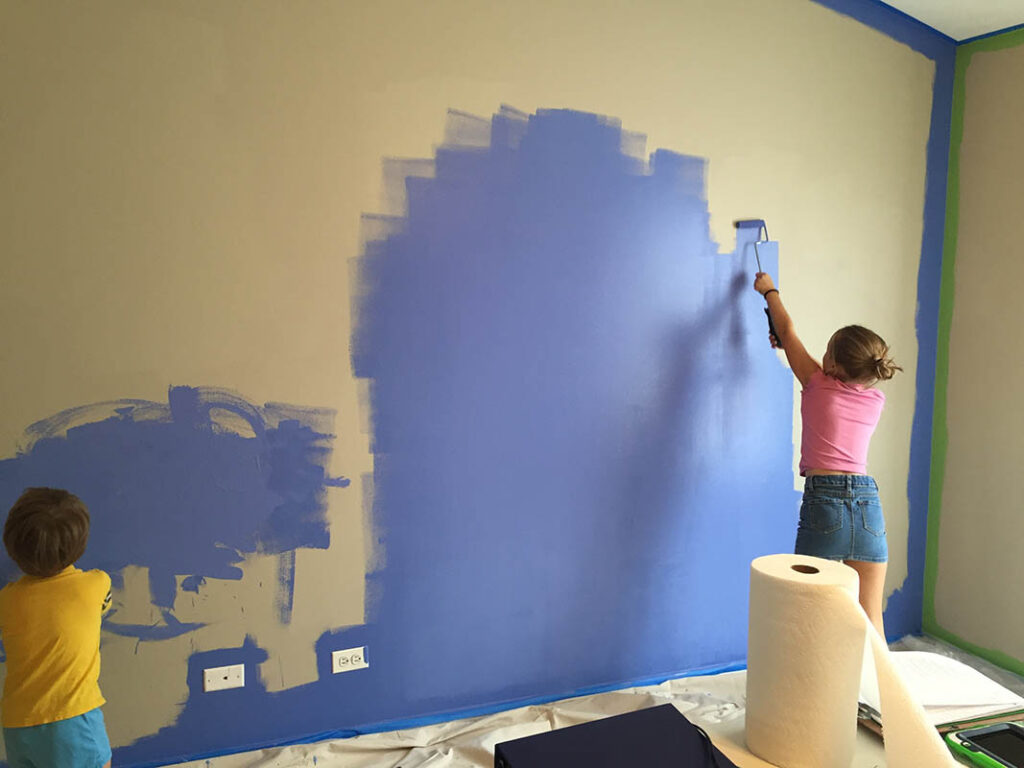
As you enter your bedroom, the first thing that catches your eye is the color scheme. The right paint color can completely transform the ambiance of your bedroom and make it feel cozy and inviting. In this article, we’ll explore the art of painting a bedroom, from choosing the perfect color to executing the job like a pro.
The Importance of Color in Bedroom Design
Color plays a significant role in shaping our moods and emotions. Different colors can have distinct effects on our mental state, influencing how we feel and interact with our surroundings. When it comes to bedroom design, selecting the right paint color is crucial for creating a peaceful retreat that promotes relaxation and rejuvenation.
The Feng Shui Connection
Feng shui, an ancient Chinese practice, emphasizes the importance of harmonizing the energies within our living spaces to achieve balance and well-being. In terms of color, feng shui suggests that specific hues can enhance or detract from the energy in a room. By choosing colors that align with the principles of feng shui, you can create a bedroom that supports your physical and emotional health.
Color Meanings According to Feng Shui
Feng shui associates each color with distinct meanings and energies:
- Red: represents vitality, passion, and strength
- Yellow: symbolizes hope, optimism, and change
- Blue: embodies calmness, tranquility, and serenity
- Green: signifies growth, harmony, and balance
- Purple: represents luxury, creativity, and wisdom
Choosing the Right Paint Color
When selecting a paint color for your bedroom, consider the following:
- Warm colors like red and orange can stimulate energy and excitement.
- Cool colors like blue and green promote relaxation and calmness.
- Neutral colors such as beige, gray, or white create a sense of balance and serenity.
Preparing Your Bedroom for Painting
Before you begin painting, make sure to:
- Clear the room: remove all furniture, curtains, and other obstructions.
- Cover floors and surfaces: use drop cloths or plastic sheets to protect your flooring and any remaining furniture.
- Remove switch plates and outlet covers: take out the screws to access these items.
Tips for a Smooth Painting Process
To ensure a smooth painting experience:
- Clean the walls: remove dirt, grime, and grease with a mild detergent and water.
- Fix any holes or cracks: spackle or joint compound can help you achieve a seamless finish.
- Tape off trim and moldings: use painter’s tape to protect these areas from paint splatters.
Additional Resources for Painting Your Bedroom
For more in-depth guidance on painting your bedroom, check out our comprehensive guides:
- How to Paint a Ceiling
- How to Paint Trim and Molding
- How to Paint Doors and Windows
Frequently Asked Questions
Q: What is the best paint color for a bedroom?
A: The best paint color for a bedroom depends on your personal preferences and needs. Consider factors like natural light, furniture colors, and the mood you want to create in your room.
Q: How do I prepare my bedroom for painting?
A: Before painting, clear the room of all furniture, curtains, and other obstructions. Cover floors and surfaces with drop cloths or plastic sheets to protect them from paint splatters.
Q: What are some common mistakes to avoid when painting a bedroom?
A: Common mistakes include not preparing the walls properly, using low-quality paint, and not covering trim and moldings correctly.
Q: Can I use feng shui principles to choose a paint color for my bedroom?
A: Yes, by choosing colors that align with the principles of feng shui, you can create a bedroom that supports your physical and emotional health.
Tips for Selecting the Perfect Paint Color
When selecting the perfect paint color for your bedroom, keep the following tips in mind:
- Consider the natural light: if your room receives a lot of sunlight, choose a lighter shade to reflect the light.
- Think about the mood you want to create: do you want your bedroom to be calming and relaxing or stimulating and energizing?
- Don’t forget about the color temperature: warm colors like red and orange can stimulate energy and excitement while cool colors like blue and green promote relaxation and calmness.
Choosing a Paint Finish
The paint finish can also impact the look and feel of your bedroom. Here are some common finishes and their characteristics:
- Flat (matte): a flat finish is perfect for low-traffic areas where scuffs and marks won’t be as noticeable.
- Eggshell: an eggshell finish offers a subtle sheen while still providing good durability and resistance to stains.
- Satin: a satin finish provides a soft, warm glow and is suitable for most interior applications.
Preparation and Safety Precautions
When painting your bedroom, make sure to:
- Wear protective gear: gloves, goggles, and a mask can protect you from paint fumes and stains.
- Clean the walls thoroughly: dirt, grime, and grease can affect the paint’s adhesion and finish.
- Fix any holes or cracks: spackle or joint compound can help you achieve a seamless finish.
Additional Tips for a Smooth Painting Process
To ensure a smooth painting experience:
- Work in small sections: divide the room into smaller areas to maintain even coverage and prevent streaks.
- Use a paintbrush or roller with the right nap length: a longer nap is best for textured surfaces while a shorter nap is better for smooth surfaces.
- Apply thin coats of paint: allow each coat to dry completely before applying the next one to avoid drips and runs.
Painting Your Bedroom: A Step-by-Step Guide
Here’s a step-by-step guide to painting your bedroom:
- Clear the room: remove all furniture, curtains, and other obstructions.
- Cover floors and surfaces: use drop cloths or plastic sheets to protect them from paint splatters.
- Remove switch plates and outlet covers: take out the screws to access these items.
- Clean the walls: remove dirt, grime, and grease with a mild detergent and water.
- Fix any holes or cracks: spackle or joint compound can help you achieve a seamless finish.
- Tape off trim and moldings: use painter’s tape to protect these areas from paint splatters.
- Apply primer (optional): if your walls have a glossy finish or are painted with a dark color, apply a primer first.
- Paint the ceiling: start at the center of the room and work your way outwards in sections.
- Paint the walls: follow the same pattern as the ceiling.
- Remove tape and clean up: remove the tape and clean up any spills or drips.
By following these steps and considering the principles of feng shui, you can create a peaceful and rejuvenating bedroom that promotes relaxation and well-being. Happy painting!


