
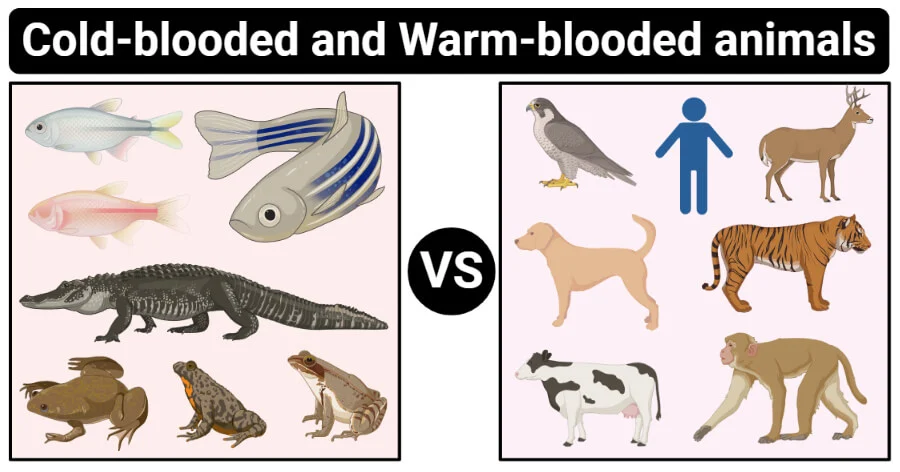
As humans, we are considered hot-blooded animals, meaning our body temperature remains relatively constant despite external changes in temperature. But have you ever wondered how other creatures regulate their body heat? Let’s dive into the fascinating world of thermoregulation and explore what makes an animal a hot-blooded or cold-blooded creature.
What is Thermoregulation?
Thermoregulation refers to the ability of an organism to maintain its internal temperature within a narrow range, despite changes in external temperature. Hot-blooded animals, also known as endotherms, generate heat internally and can regulate their body temperature through various mechanisms. In contrast, cold-blooded animals, or ectotherms, rely on external sources of heat to regulate their body temperature.
Characteristics of Hot-Blooded Animals
Hot-blooded animals have several distinct characteristics that enable them to maintain a stable body temperature:
- Internal Heat Generation: Hot-blooded animals can generate heat internally through metabolic processes, such as cellular respiration and muscle activity.
- Efficient Circulation: They have an efficient circulatory system that allows for the distribution of heat throughout their bodies.
- Adaptable Thermoregulation: Hot-blooded animals can adapt to changing environmental temperatures by adjusting their behavior, physiology, or physiology.
Some examples of hot-blooded animals include mammals and birds. These groups possess a range of adaptations that enable them to maintain a stable body temperature, such as fur or feathers, sweat glands, and efficient circulatory systems.
Characteristics of Cold-Blooded Animals
Cold-blooded animals, on the other hand, rely on external sources of heat to regulate their body temperature:
- External Heat Sources: They absorb heat from the environment through radiation, conduction, or convection.
- Less Efficient Circulation: Their circulatory systems are less efficient than those of hot-blooded animals, which makes it more difficult for them to distribute heat throughout their bodies.
- Limited Thermoregulation: Cold-blooded animals have limited ability to adapt to changing environmental temperatures.
Examples of cold-blooded animals include reptiles, amphibians, and insects. These groups rely on external sources of heat to regulate their body temperature, such as basking in the sun or seeking shade.
Why Are Mammals Hot-Blooded?
Mammals are hot-blooded due to several reasons:
- Evolutionary History: Mammals evolved from a common ancestor with reptiles and shared many characteristics, but also developed unique adaptations that allowed them to thrive in changing environments.
- Brain Development: The development of large brains in mammals required increased energy production, which was achieved through internal heat generation.
- Body Size: Larger body sizes in mammals require more efficient thermoregulation to maintain body temperature.
While it may seem counterintuitive that humans are hot-blooded animals, our biology and physiology have evolved to thrive in a wide range of environments. Understanding the differences between hot-blooded and cold-blooded animals can provide valuable insights into their behavior, ecology, and evolution.
Frequently Asked Questions
- What is the difference between hot-blooded and cold-blooded animals?
Hot-blooded animals generate heat internally and can regulate their body temperature through various mechanisms. Cold-blooded animals rely on external sources of heat to regulate their body temperature. - Why are mammals hot-blooded?
Mammals evolved from a common ancestor with reptiles, developed unique adaptations that allowed them to thrive in changing environments, and had increased energy production due to the development of large brains. - Can animals change their body temperature?
While some animals can adapt to changing environmental temperatures, most are unable to regulate their body temperature and rely on external sources of heat or generate heat internally through metabolic processes. - How do birds maintain a stable body temperature?
Birds use a combination of internal heat generation, efficient circulation, and behavioral adaptations, such as basking in the sun or seeking shade, to maintain a stable body temperature. - What is the most effective way for animals to regulate their body temperature?
The most effective way for animals to regulate their body temperature depends on their evolutionary history, physiology, and environment. However, internal heat generation and efficient circulation are key factors in thermoregulation.
Conclusion
Understanding the differences between hot-blooded and cold-blooded animals can provide valuable insights into their behavior, ecology, and evolution. By exploring the characteristics of each group and the reasons behind their thermoregulatory strategies, we can gain a deeper appreciation for the diversity of life on Earth and our place within it.
Additional Resources
- Animal Adaptations: A comprehensive guide to animal adaptations, including hot-blooded and cold-blooded animals.
- Thermoregulation in Different Environments: An exploration of thermoregulation strategies in different environments, such as deserts, oceans, and forests.
- Evolutionary History of Mammals: A detailed examination of the evolutionary history of mammals and their unique adaptations.
Real-Life Examples
- Polar Bears: These magnificent creatures are adapted to survive in the harsh Arctic environment, where temperatures can drop as low as -34°C (-29°F). Their white fur helps them blend in with their surroundings, while their layer of blubber keeps them warm.
- Desert Tortoises: These slow-moving reptiles have evolved to thrive in the scorching hot desert environments. They regulate their body temperature by seeking shade during the day and burrowing underground at night to escape the heat.
- Birds of Paradise: The vibrant plumage of these birds is not just for show; it also helps them regulate their body temperature in the tropical rainforest environment. Their bright colors can help attract mates, while their sleek feathers keep them cool.
The Future of Thermoregulation
As we continue to explore and understand the world around us, there are many exciting discoveries waiting to be made about thermoregulation and its role in the natural world. From developing new technologies to studying the behavior of animals in different environments, there is much to learn from the fascinating world of thermoregulation.
Conclusion
In conclusion, understanding the differences between hot-blooded and cold-blooded animals can provide valuable insights into their behavior, ecology, and evolution. By exploring the characteristics of each group and the reasons behind their thermoregulatory strategies, we can gain a deeper appreciation for the diversity of life on Earth and our place within it.
References
- Thermoregulation in Animals: A comprehensive guide to thermoregulation in animals, including hot-blooded and cold-blooded animals.
- Animal Adaptations: A detailed examination of animal adaptations, including fur, feathers, sweat glands, and efficient circulatory systems.
- Evolutionary History of Mammals: A thorough analysis of the evolutionary history of mammals and their unique adaptations.
Glossary
- Endotherm: An organism that generates heat internally to maintain a stable body temperature.
- Ectotherm: An organism that relies on external sources of heat to regulate its body temperature.
- Thermoregulation: The ability of an organism to maintain its internal temperature within a narrow range, despite changes in external temperature.
By exploring the fascinating world of thermoregulation, we can gain a deeper appreciation for the diversity of life on Earth and our place within it.


