
Introduction:
If you’ve ever seen a colorful succulent blooming explosively, it’s likely that the plant belongs to the Lampranthus genus, part of the Aizoaceae family. These plants hail from arid regions in southern Africa and are chosen for their low-maintenance, drought-tolerant nature, making them perfect for poor, rocky soils. In this article, we will delve into the world of Lampranthus spectabilis, exploring its key characteristics, care and maintenance requirements, types of species, common problems, propagation methods, and frequently asked questions.
Lampranthus: Key Characteristics
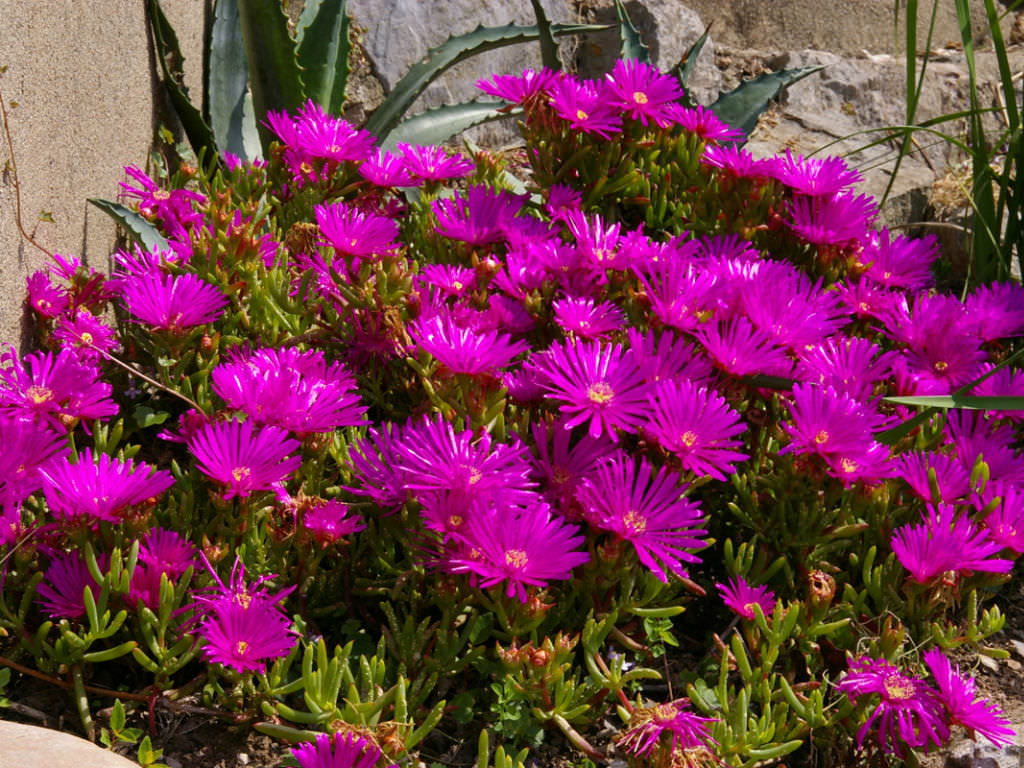
The leaves of these plants are fleshy, typically triangular or cylindrical in section, depending on the species. The flowers, hermaphroditic and bell-shaped with five sepals and a richly petalized corolla, come in various colors such as pink, yellow, orange, red, and magenta. Notably, they only open when exposed to direct sunlight. Their name Lampranthus comes from the Greek words for “splendid” (lampros) and flower (anthos), meaning “splendid flower.” The plant also produces seeds in capsular form.
The unique shape and structure of Lampranthus leaves provide them with a number of adaptations that enable them to thrive in arid environments. These adaptations include:
- Water storage: The fleshy leaves of Lampranthus plants can store water, allowing the plant to survive for extended periods without rainfall.
- Shade tolerance: The triangular or cylindrical shape of the leaves provides shade on the underside, reducing transpiration and protecting the plant from intense sunlight.
- Aeration: The texture of the leaves allows for good aeration, enabling air to reach the roots and promoting healthy growth.
Lampranthus: Care and Maintenance
No special care is required to grow these vibrant plants, as they thrive under warm conditions. They can withstand temperatures up to 20°C but ideal temperatures range from 15 to 18°C, avoiding any temperature below 5°C, which may cause stress. Lampranthus succulents love sunlight, even in full sun, provided that filtered sunlight through windows doesn’t scorch the plant.
An optimal environment should balance humidity and air circulation. Watering is minimal; wait for the soil to dry out before watering again. During winter and autumn, these plants are in a dormant state, requiring only occasional watering with a small amount of water. Early spring signals the start of new growth, allowing you to repot them into larger vases, typically up to 20 centimeters in diameter.
A well-balanced fertilizer containing nitrogen, phosphorus, potassium, and microelements is ideal for these plants. If using liquid fertilizer, mix it with water according to dosing guidelines without overusing or overwatering. Apply once every three weeks during the spring and summer months when they are flowering until autumn.
Removing spent flowers regularly will encourage continued blooming and prevent seed dispersal. Pruning is not necessary but can be beneficial for maintaining plant health and appearance.
Lampranthus: Types of Species
With over a hundred species, several notable ones include:
- Lampranthus coccineus: Reaches up to 40 centimeters in height with triangular leaf sections and reddish-brown flowers.
- Lampranthus roseus: Features leaves with cylindrical sections and pink flowers.
- Lampranthus aurantiacus: Grows up to 50 centimeters tall, producing orange-colored flowers that can form shrubs due to its semi-cylindrical leaf shape.
- Lampranthus spectabilis: Exhibits elegant, elongated leaves with purple flowers.
- Lampranthus conspicuus: A climbing species with bright red flowers, growing up to 30 centimeters tall and featuring shiny, semicircular leaf sections.
Lampranthus: Common Problems
Generally healthy but susceptible to issues stemming from improper watering practices. One major concern is the cotonose aphid (a type of fungus), which can appear as small white specks on leaves or stems. It’s easily removable by gently brushing it off with a soft brush, cleaning the plant with water, or using an alcohol-soaked cotton swab to treat the affected areas.
In rare cases, if left unchecked, pests like aphids might require specialized insecticides.
Lampranthus: Propagation
They can be propagated either through seeds or cuttings. For mass production, seed sowing in early spring is advisable due to sensitivity to frost. For other purposes, such as creating a small collection of plants, stem cuttings are preferred and taken during the early spring by cutting off a lateral stem around 10 centimeters long, then planting it in a well-draining potting mix.
Conclusion
Lampranthus spectabilis is not only a striking addition to any garden but also low-maintenance, suitable for arid regions. Understanding its needs and addressing potential issues can lead to vibrant blooms and the enjoyment of these beautiful plants for years to come.
Frequently Asked Questions (FAQs)
-
What environment should Lampranthus spectabilis be placed in?
Lampranthus succulents require a warm, sunny spot but need some protection from direct, intense sunlight through windows or other obstructions. An ideal temperature range is between 15 to 18°C. -
How often do I water my Lampranthus plant?
Water sparingly until the soil has dried out completely before watering again. Watering during periods of dormancy (winter and autumn) should be minimal, with only occasional sprinkling of a small amount of water. -
Can I grow Lampranthus spectabilis indoors?
Yes, but ensure it receives sufficient sunlight through windows or under grow lights if necessary. A spot that offers both indirect light and air circulation is ideal. -
What kind of fertilizer should I use for my Lampranthus plant?
A balanced fertilizer with nitrogen, phosphorus, potassium, and microelements is recommended. Use liquid fertilizers according to dosing instructions without overwatering. -
How often do I need to prune or remove spent flowers from my Lampranthus spectabilis?
Regular removal of spent flowers encourages new blooms and prevents seed dispersal. Pruning, if necessary, helps maintain plant health and appearance.
-
Can Lampranthus spectabilis be grown in cold climates?
It can tolerate temperatures up to 20°C but grows best at cooler temperatures. Extreme cold may stress the plant, so it’s recommended to provide some protection or bring the plants indoors during harsh winter conditions. -
How long does it take for a new Lampranthus spectabilis cutting to grow into a mature plant?
This can vary depending on factors like light exposure and watering practices but generally requires about 2-4 weeks of proper care before new growth begins, often followed by flowering.
- Are there any pests specific to Lampranthus spectabilis that I should be aware of?
Yes, the cotonose aphid can infest these plants if not addressed promptly. It’s easily removable with a soft brush, water cleaning, or alcohol-soaked cotton swabs in case of severe cases.
Additional Tips and Tricks
- Use well-draining potting mix to prevent waterlogged soil.
- Avoid over-fertilizing, as this can lead to an excessive amount of growth and decreased flower production.
- Prune the plant regularly to maintain its shape and promote healthy growth.
- Keep an eye out for pests and diseases, addressing them promptly if necessary.
By following these guidelines and understanding the unique needs of Lampranthus spectabilis, you’ll be well on your way to creating a thriving and beautiful collection of these stunning plants.


