
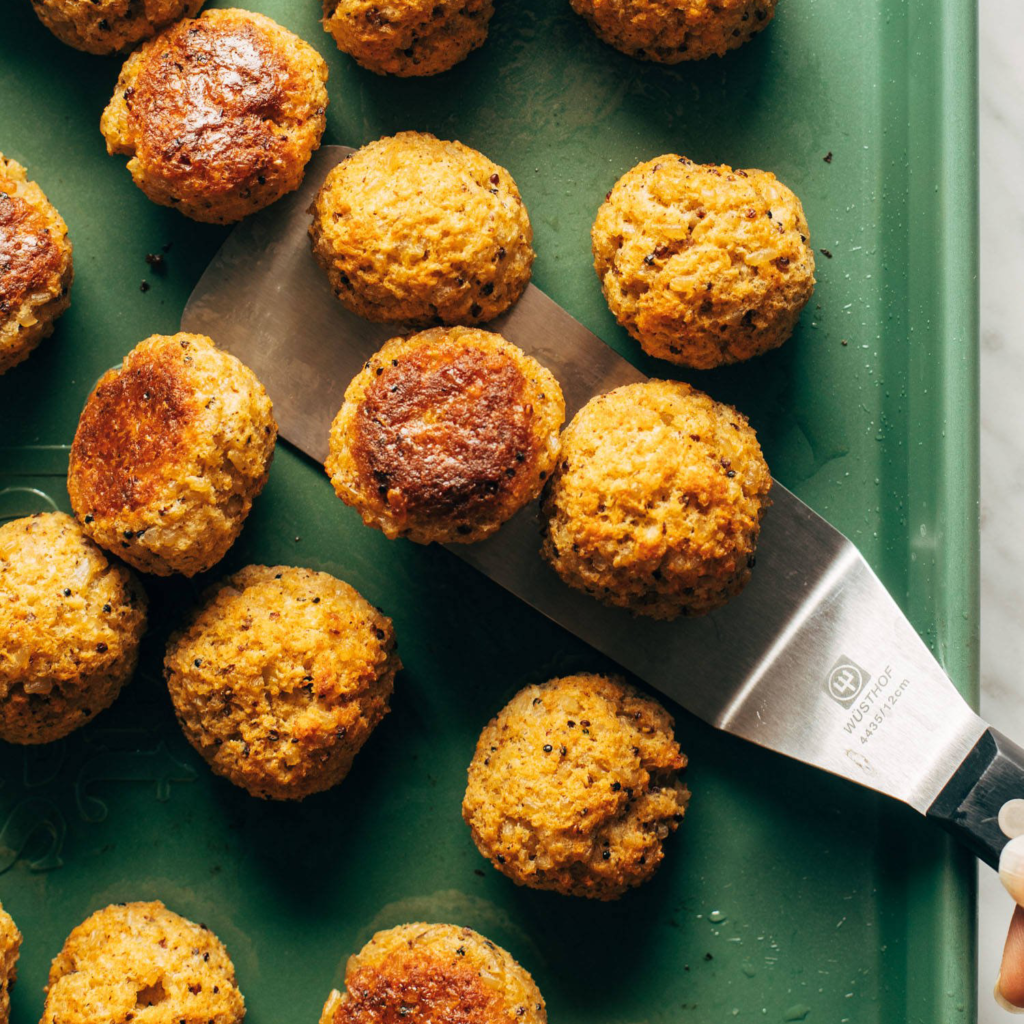
Are you tired of the same old meatball recipes? Look no further! Vegetarian meatballs are a great alternative to traditional meatballs, and they’re perfect for vegetarians and non-vegetarians alike. In this article, we’ll explore the world of vegetarian meatballs and provide you with a simple recipe to make delicious meatballs at home.
What are Vegetarian Meatballs?
Vegetarian meatballs are a type of food that mimics the taste and texture of traditional meatballs, but without the use of meat. They’re typically made from a combination of vegetables, grains, and spices, which are bound together with eggs or other binding agents. This makes them an ideal option for vegetarians who want to enjoy the same flavors as traditional meatballs.
The Benefits of Vegetarian Meatballs
Vegetarian meatballs have several benefits that make them a great alternative to traditional meatballs. For one, they’re much healthier than traditional meatballs, which are high in saturated fat and sodium. They’re also environmentally friendly, as they don’t require the use of large amounts of land or resources to produce.
How to Make Vegetarian Meatballs
Making vegetarian meatballs is relatively easy, and it only requires a few ingredients. Here’s a simple recipe to get you started:
Ingredients
- 3 medium-sized potatoes
- 2 medium-sized carrots
- 1 medium-sized onion
- 2 medium-sized zucchinis
- 1 medium-sized bell pepper
- 2 eggs
- 100 grams of grated Parmesan cheese
- 2 tablespoons of chopped fresh parsley
- 1 tablespoon of olive oil
- Salt and pepper to taste
Instructions
Step 1: Prepare the Vegetables
Preheat your oven to 180°C (350°F). Peel and chop the potatoes, carrots, onion, zucchinis, and bell peppers into small pieces. Place them in a large pot of boiling water and cook for about 40 minutes, or until they’re tender.
Step 2: Mash the Vegetables
Remove the vegetables from the pot and mash them with a fork or potato masher. This will help to break down the cell walls and make the mixture easier to bind together.
Step 3: Mix the Ingredients Together
In a large bowl, combine the mashed vegetables, eggs, Parmesan cheese, parsley, olive oil, salt, and pepper. Mix everything together until you get a smooth, sticky dough.
Step 4: Shape the Meatballs
Use your hands to shape the mixture into small meatballs, about 1 inch (2.5 cm) in diameter. You should end up with around 20-25 meatballs.
Step 5: Pan-Fry or Bake the Meatballs
Heat a large skillet over medium heat and add a tablespoon of olive oil. When the oil is hot, add the meatballs and cook for about 3-4 minutes on each side, or until they’re golden brown. Alternatively, you can bake them in the oven for about 20-25 minutes, or until they’re cooked through.
Tips and Variations
Here are a few tips and variations to help you make the most of your vegetarian meatballs:
- To add extra flavor, try adding some chopped herbs like basil or oregano to the mixture.
- If you want to make the meatballs more crispy on the outside, try coating them in breadcrumbs before baking or pan-frying.
- Experiment with different types of cheese, such as mozzarella or feta, to give your meatballs a unique flavor.
Common Mistakes to Avoid
When making vegetarian meatballs, there are a few common mistakes to avoid. Here are some tips:
- Don’t overmix the mixture, as this can make it tough and dense.
- Use fresh vegetables whenever possible, as they’ll have more flavor and texture than frozen or canned ones.
- Experiment with different seasonings and spices to find the flavors you like best.
Variations on Vegetarian Meatballs
Vegetarian meatballs are a versatile dish that can be adapted to suit your tastes and dietary needs. Here are some ideas for variations:
- Try using different types of grains, such as quinoa or brown rice, instead of potatoes.
- Add some heat with red pepper flakes or hot sauce.
- Use different types of cheese, such as ricotta or goat cheese, for a unique flavor.
- Experiment with different herbs and spices to create your own signature blend.
Using Vegetarian Meatballs in Different Dishes
Vegetarian meatballs are a versatile ingredient that can be used in a variety of dishes. Here are some ideas:
- Try using them as a topping for pasta or pizza, just like traditional meatballs.
- Use them as a filling for vegetarian subs or wraps.
- Add them to soups and stews for an extra boost of flavor and nutrition.
Nutrition Information
Vegetarian meatballs are a nutritious alternative to traditional meatballs. Here’s some information on the nutritional benefits:
- Protein content: 20-25 grams per serving
- Fat content: 10-15 grams per serving
- Saturated fat content: 3-5 grams per serving
- Sodium content: 200-300 milligrams per serving
Conclusion
Vegetarian meatballs are a delicious and versatile alternative to traditional meatballs. With this simple recipe, you can make mouthwatering meatballs at home that are perfect for vegetarians and non-vegetarians alike. So go ahead, give it a try, and enjoy the benefits of vegetarian meatballs!
Frequently Asked Questions
Here are some frequently asked questions about vegetarian meatballs:
Q: What’s the difference between vegetarian meatballs and traditional meatballs?
A: Vegetarian meatballs are made from vegetables, grains, and spices, whereas traditional meatballs are made from ground meat.
Q: How do I make sure my vegetarian meatballs are healthy?
A: To keep your vegetarian meatballs healthy, try using whole wheat breadcrumbs and low-fat cheese. You can also experiment with different types of vegetables to add extra nutrients.
Q: Can I use frozen vegetables in my vegetarian meatballs?
A: Yes, you can definitely use frozen vegetables in your vegetarian meatballs. Just thaw them first and pat them dry before adding them to the mixture.
Q: How long do I need to cook my vegetarian meatballs?
A: Cooking time will depend on whether you’re pan-frying or baking your meatballs. Pan-frying usually takes about 3-4 minutes per side, while baking can take around 20-25 minutes.
Q: Can I make vegetarian meatballs ahead of time?
A: Yes, you can make vegetarian meatballs ahead of time and store them in the fridge for up to 24 hours or freeze them for later use.


