
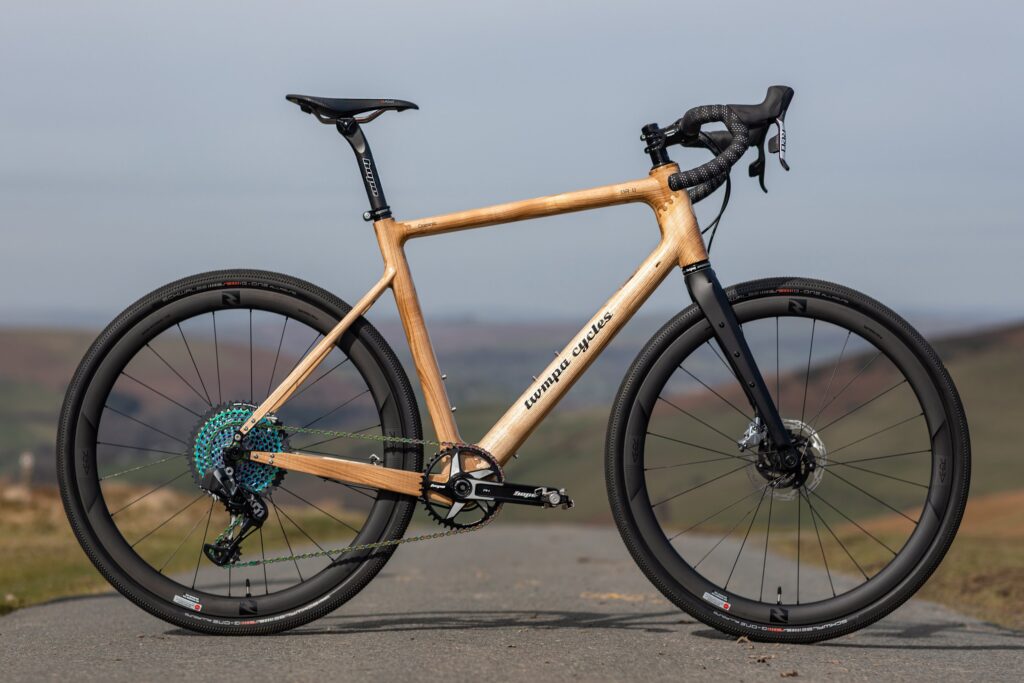
As we gaze upon the sleek designs of modern bicycles, it’s hard to imagine a time when wood was the primary material used in their construction. Yet, this ancient material has been the backbone of bicycle making since its inception. So, why did we return to wood, despite the availability of more durable materials like steel and carbon fiber? The answer lies in the riding experience.
The Wood Effect: Smooth Ride, No Compromise
Wooden bicycles offer a unique ride quality that’s hard to match with metal or carbon fiber. They absorb shocks, reducing the impact on your body, and provide a smooth, linear ride that’s both exhilarating and comfortable. This is because wood is an excellent shock absorber, much like the fibers in carbon fiber.
The wood effect is particularly noticeable when riding on rough terrain or over bumpy roads. Wooden bicycles can absorb the bumps and vibrations, providing a smoother ride than metal or carbon fiber bikes. Additionally, wooden bicycles tend to have a more predictable handling, making them ideal for cyclists who value precision and control.
The Art of Wooden Bicycles: SplinterBike and Masterworks
There are wooden bicycles that have taken the art form to new heights. The SplinterBikeQuantum, for instance, boasts 88 components made from a single type of wood, with no metal fasteners or joints. This innovative design has required an astonishing 1,600 hours of development, prototyping, and testing.
The Masterworks range also offers a classic design with a focus on wood species such as oak, walnut, and cherry. Each component is carefully crafted by hand, ensuring a level of precision and attention to detail that’s hard to find in mass-produced bicycles.
A Masterclass in Craftsmanship: Wooden Bicycles
Wooden bicycles like the SplinterBikeQuantum are works of art that showcase human ingenuity and craftsmanship. The process of creating these bikes involves intricate woodworking techniques, careful selection of materials, and a deep understanding of bicycle design.
The craftsmanship involved in building wooden bicycles is unparalleled in the industry. Each component is carefully selected, cut, and shaped to ensure optimal performance and aesthetic appeal. The attention to detail is stunning, with even the smallest details, such as the bolts and screws, being expertly crafted from wood or other natural materials.
A Luxury Affair: Wooden Bicycles Come with a Price Tag
Acquiring a wooden bicycle is an investment that requires patience and a willingness to spend. The prices can be steep, ranging from $1,500 for entry-level models to over $5,000 for high-performance bikes like the Axalko frassino model.
However, these unique pieces of art offer a level of quality and craftsmanship that’s hard to find elsewhere. Wooden bicycles are built to last, with some owners reporting decades of trouble-free riding. The investment may seem daunting at first, but it’s worth considering the long-term benefits of owning a high-quality wooden bicycle.
Affordable Alternatives: Bamboo Cycles
For those on a budget, bamboo bicycles offer an attractive alternative. The Bambooclycle, for example, is a high-performance bike that weighs under 8 kg and costs around $600.
While not as heavy or durable as wooden bicycles, it’s still an excellent option for commuters or enthusiasts who want to experience the benefits of bamboo. Bamboo is a highly sustainable material, with some species growing up to 3 feet per day.
Bamboo bicycles may not be as stylish as their wooden counterparts, but they’re certainly more affordable and environmentally friendly. The Bambooclycle also offers a range of customization options, allowing riders to personalize their bike with unique bamboo wood accents or other materials.
Sustainable Materials: The Future of Bicycle Making
The rise of wooden bicycles has sparked a renewed interest in sustainable materials and production methods. As the world grapples with climate change and environmental degradation, bicycle manufacturers are turning to eco-friendly materials and practices to reduce their carbon footprint.
Carbon fiber, once considered the gold standard for bike frames, is now being replaced by more sustainable alternatives like bamboo, wood, and recycled plastics. The use of natural materials not only reduces waste but also produces fewer emissions during production.
Conclusion
Wooden bicycles represent a fascinating intersection of sustainability, craftsmanship, and performance. As we continue to explore alternative materials and production methods, it’s clear that the wood revolution is here to stay.
With its unique ride quality, beautiful design, and commitment to artisanal craftsmanship, wooden bicycles are an experience unlike any other. Whether you’re a seasoned cyclist or just starting out, a wooden bicycle offers a thrilling way to connect with nature and enjoy the great outdoors.
Frequently Asked Questions
- Are wooden bicycles durable?
Wooden bicycles can be as durable as metal or carbon fiber bikes if properly maintained. - How much do wooden bicycles cost?
Prices for wooden bicycles vary widely, from $1,500 to over $5,000, depending on the brand and model. - Can I customize a wooden bicycle?
Yes, many wooden bicycle manufacturers offer customization options, including bespoke designs and wood species selection. - Are bamboo bicycles as sustainable as wooden ones?
Bamboo is an incredibly sustainable material, but it may not be as durable or long-lasting as wood. - What’s the difference between wooden and bamboo bicycles?
Wooden bicycles typically use more expensive materials and are often heavier than bamboo bikes, which can offer a lighter alternative at a lower price point. - Can I ride a wooden bicycle on rough terrain?
Yes, some wooden bicycles are designed to handle rough terrain and can provide a smoother ride on unpaved roads. - How long do wooden bicycles last?
With proper maintenance, wooden bicycles can last for many years, even decades. - Are wooden bicycles suitable for children?
Some wooden bicycle manufacturers offer child-friendly designs and sizes, but it’s essential to ensure the bike is safe and secure for your young rider.
Tips for Choosing a Wooden Bicycle
When selecting a wooden bicycle, consider the following factors:
- Quality of materials: Look for high-quality wood species, careful craftsmanship, and attention to detail.
- Design and style: Choose a design that suits your riding style and preferences.
- Performance: Consider the bike’s handling, stability, and overall performance on various terrain types.
- Maintenance: Wooden bicycles require regular maintenance to ensure optimal performance and longevity.
Wooden Bicycle Maintenance
To keep your wooden bicycle in top condition, follow these maintenance tips:
- Regularly inspect the frame for signs of wear or damage.
- Clean the bike with a soft cloth and mild soap.
- Apply a wood conditioner or wax to protect the finish and prevent drying out.
- Lubricate moving parts with a silicone-based lubricant.
By following these tips and choosing the right wooden bicycle, you can enjoy years of trouble-free riding on some of the most beautiful roads in the world.


