
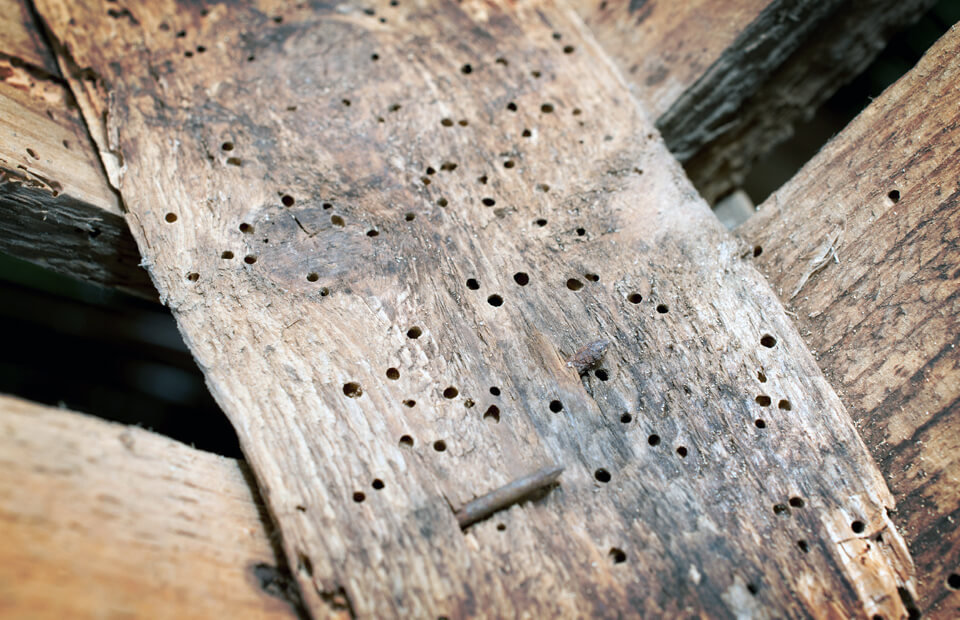
Protecting Wood from Pests without Chemical Treatments
As a homeowner or DIY enthusiast, you’re likely aware of the importance of protecting your wood from pests and decay. But did you know that using chemical treatments can be detrimental to your health and the environment? In this article, we’ll explore the best ways to protect your wood from pests without resorting to harsh chemicals.
Understanding Wood Types
Before we dive into protection methods, it’s essential to understand which types of wood are more prone to pest infestations. Insects prefer woods with a higher moisture content, while fungi thrive in humid environments. Here are some general guidelines:
- Insects: Woods with an internal moisture level above 10% are more susceptible to insect damage.
- Fungi: Fungi can infect woods with an internal moisture level above 20%.
Creating a Humid-Free Environment
To prevent pest infestations, it’s crucial to maintain a healthy balance of temperature and humidity in your home. Here are some tips:
- Ensure good ventilation: Proper airflow helps regulate humidity levels.
- Use dehumidifiers: These devices can help reduce moisture in the air, making it less hospitable to pests.
- Keep your home clean: Regularly sweep and mop floors to prevent moisture buildup.
Protecting Wood from Water Damage
Water is a primary cause of wood decay and pest infestations. Here are some measures to protect your wood from water damage:
- Install gutters and downspouts: Proper gutter installation can help direct rainwater away from your home’s foundation.
- Seal gaps and cracks: Caulk any openings around windows, doors, and other areas where water might seep in.
- Use waterproof materials: When building or repairing wood structures, use materials that are resistant to water damage.
Organic Wood Protection Methods
Here are some effective methods for protecting your wood without using chemical treatments:
- Apply a natural sealant: Look for products containing natural oils like tung oil or linseed oil.
- Use diatomaceous earth: This powder is made from fossilized algae and can be used to repel insects.
- Plant pest-repellent plants: Certain plants, such as basil and lavender, have natural properties that can help deter pests.
Choosing the Right Wood Species
Some wood species are naturally more resistant to pest infestations than others. Here are some options:
- Durability: Woods like oak, maple, and ash are highly durable and less prone to pest damage.
- Resistance: Teak, robinia, doussie woods are highly resistant to fungi and insect damage.
Natural Deterrents
Certain plants have natural properties that can help deter pests. Here are some examples:
- Basil: This herb is known for its ability to repel ants, aphids, and whiteflies.
- Lavender: The fragrance of lavender can help deter moths and other insects.
- Marigold: These flowers have natural properties that can help repel nematodes and other pests.
Using Essential Oils
Essential oils can be used to repel pests and protect your wood. Here are some examples:
- Tea tree oil: This oil has natural antifungal properties that can help prevent pest infestations.
- Lemon oil: The acidity in lemon oil can help repel insects and other pests.
- Eucalyptus oil: The fragrance of eucalyptus oil can help deter moths and other insects.
Conclusion
Protecting your wood from pests and decay doesn’t have to involve harsh chemical treatments. By understanding the importance of humidity control, using organic protection methods, and choosing the right wood species, you can keep your wood healthy and safe for years to come.
Frequently Asked Questions (FAQs)
Q: What is the best way to protect my wood from insects?
A: Use natural sealants, diatomaceous earth, or plant pest-repellent plants to deter insects.
Q: How can I prevent water damage to my wood?
A: Install gutters and downspouts, seal gaps and cracks, and use waterproof materials when building or repairing structures.
Q: Can I use chemical treatments on my wood?
A: No, chemical treatments can harm human health and the environment. Instead, opt for natural protection methods.
Q: What types of wood are resistant to fungi and insect damage?
A: Teak, robinia, doussie, mogano, rovere, red cedar, and durame woods are highly resistant to pests.
Q: How often should I inspect my wood for signs of pest infestation?
A: Regularly check your wood for signs of pest damage, such as holes, discoloration, or unusual odors.
Q: Can I use heat treatment to kill pests in my wood?
A: No, heat treatment can be ineffective against certain types of pests and may not provide long-term protection.
Q: Are there any DIY projects that can help protect my wood from pests?
A: Yes, consider using natural sealants, planting pest-repellent plants, or applying diatomaceous earth to your wood.


